Blog18 min read
4 Day Paris Itinerary: The Two Bookings That Matter
A four day Paris plan built around the two timed slots you book before you fly, and why Versailles takes a whole day rather than the afternoon most plans give it.
By Dom
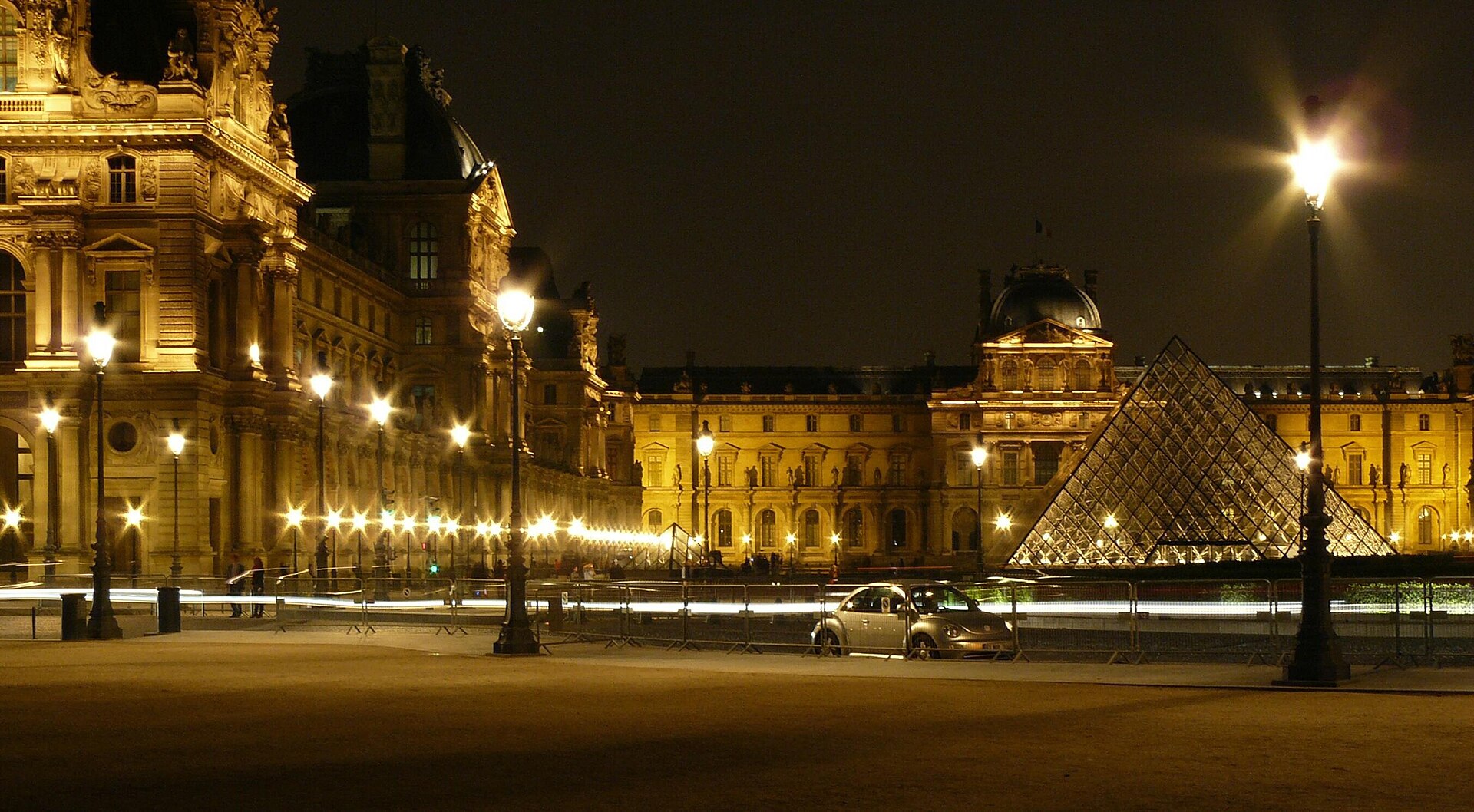

Most four day Paris plans put the Louvre on one morning and Versailles on one afternoon. The second half of that sentence is where the trip goes wrong.
The Palace of Versailles publishes its own suggested schedule for a visit: the Palace as soon as it opens at 9am, the Gardens and Park from 10am to noon, the Trianon palaces and Marie-Antoinette's Estate from noon to 4.30pm. That is a day. Not a long afternoon, not a half day with a museum bolted on after. Versailles thinks a proper visit runs from opening to mid-afternoon, and Versailles is the one selling the tickets.
The Louvre is the other fixed point, for a different reason: 8.7 million visitors in 2024, 77 per cent of them from outside France on the museum's own figures. Its price changed in January 2026, and the wording on its booking page is not what most guides claim.
This is a four day plan built around those two, with the days ordered so the closures do not eat one of them.
Start on a Wednesday if you can
One scheduling fact does more work than everything else on this page.
| Day | What it removes |
|---|---|
| Monday | Versailles closed. Musée d'Orsay closed. |
| Tuesday | The Louvre closed, and Versailles names Tuesday as one of its most crowded days. |
| Wednesday | Nothing. Louvre open until 9pm. |
| Thursday | Nothing. Orsay open until 9.45pm. |
| Friday | Nothing. Louvre open until 9pm. |
| Saturday | Versailles is at its busiest. Eiffel Tower at its busiest. |
| Sunday | Versailles is at its busiest. |
The Tuesday row is the one worth sitting with. Versailles' own FAQ says that "during the high season and on the most crowded days, especially Tuesdays and weekends, we recommend visiting the Palace as soon as it opens at 9am". Tuesday is a peak day at Versailles precisely because it is the day the Louvre is shut.
A Wednesday to Saturday trip loses nothing. A Sunday to Wednesday trip loses Versailles and Orsay on the Monday and the Louvre on the Tuesday: three of the four things most people came for, inside two consecutive days.
What actually needs a timed slot
The split, taken from each site's own ticketing page rather than a reseller.
| Site | Timed slot required? | Adult price | Weekly closure |
|---|---|---|---|
| Palace of Versailles | Yes. "To access the Palace, all visitors must book a time slot." | Passport €35, or €32 for EEA nationals and residents | Mondays |
| Louvre | Officially recommended, not required | €22 EEA, €32 non-EEA | Tuesdays |
| Eiffel Tower | Yes, and lift tickets are the scarce ones | €23.50 lift to level 2, €36.70 lift to the top | None |
| Sainte-Chapelle | Booked online in practice | €16 EEA, €22 non-EEA | None |
| Notre-Dame cathedral | No, and there is no ticket to buy | Free | None |
| Towers of Notre-Dame | Yes, online only | €16 | Varies |
| Musée d'Orsay | Sold as a timed entry in practice | See the museum's own site | Mondays |
| Arc de Triomphe | No | €22 from April to September, €16 from October to March | None |
| Panthéon | No | €16 from April to September, €13 from October to March | None |
Two of these deserve the detail.
Versailles is the hard one. The Palace requires a time slot and says so plainly. Only the Palace: the Gardens and the Estate of Trianon have no slot, and you walk in on the same Passport whenever you arrive. Visitors entitled to free admission still have to book, and if they cannot book online they can get a slot on the day at the South Ministers' Wing. None of that creates capacity that does not exist, which is why the 9am slot on a summer Saturday is not sitting there waiting for you the week before.
The Louvre is softer than its reputation. The museum's own visit page says "time-slot bookings are recommended, including for free-admission visitors". Recommended, not required. That is a real gap between the official wording and the near-universal claim online that Louvre entry is impossible without a prebooked slot. You should still book, because the slots that suit a normal itinerary go first. But if you land without one, you have not lost the museum.
I could not confirm from the Louvre's own pages how far ahead its calendar opens: unofficial guides say 60 days, others say 90, and they disagree. Check ticket.louvre.fr rather than trusting either. The Eiffel Tower does publish its window, at 60 days for lift e-tickets and 30 days for stairs tickets to the second floor.
Three of those prices split in January 2026: the Louvre and Versailles on 14 January, Sainte-Chapelle on 12 January, each into a lower rate for nationals and residents of the European Economic Area and a higher one for everyone else. Norway, Iceland and Liechtenstein sit inside the EEA and therefore inside the lower price. Versailles also drops in low season, from 1 November to 31 March, when the Passport is €25 and €22 and the Gardens are free. A guide quoting the Louvre at €22 flat predates the middle of January 2026, and every other number in it deserves the same suspicion.

Why Versailles eats the whole day
Three things compound, and none of them is the queue.
The Trianon estate opens at noon. The Palace opens at 9am and the Gardens and Park from 7am in high season, but the Grand Trianon, the Petit Trianon and the Queen's Hamlet do not open until midday. You cannot do them first and leave early, because they are not open yet.
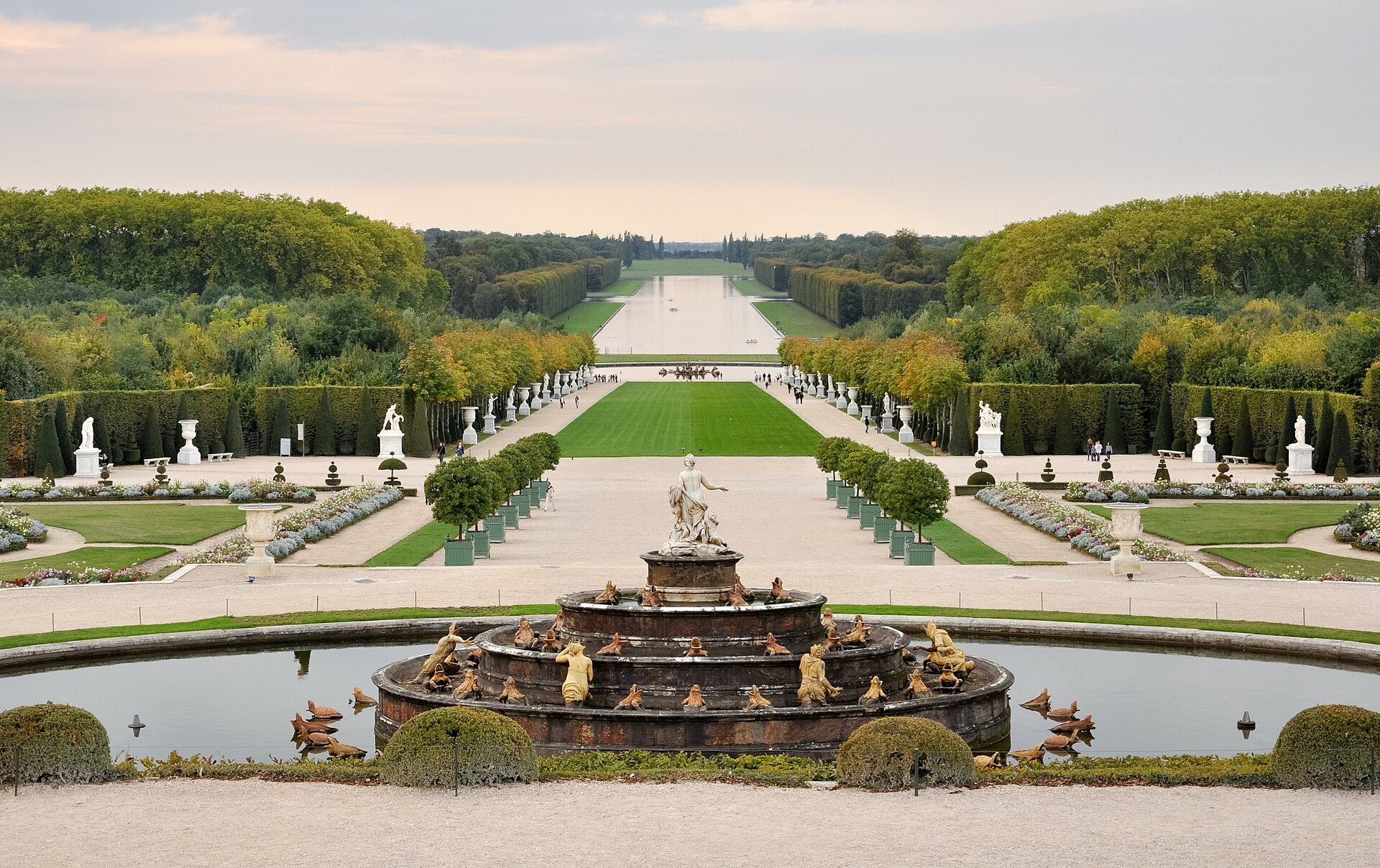
They are half an hour away on foot. The Palace's own practical information puts the Estate of Trianon at 30 minutes' walk across the Gardens and the Park, or about 20 minutes on the little train. There and back is an hour of walking inside the estate, on top of the walking at each end.
Last admission is earlier than closing. In high season the Palace and Trianon close at 6.30pm with last admission at 5.45pm; in low season they close at 5.30pm with last admission at 4.45pm, which is dusk in January.
Add the round trip from Paris. Versailles Château Rive Gauche, at the end of RER line C, is a 10 minute walk from the main entrance; Versailles Rive Droite from Saint-Lazare and Versailles Chantiers from Montparnasse are both about 20 minutes' walk. Journey times from central Paris are quoted anywhere between roughly 35 and 50 minutes depending on the station and the service, and the sources disagree enough that I would not plan to the minute. The Palace's own advice is to buy the return ticket when you arrive.
So: leave central Paris around 8am, Palace at opening, gardens, Trianon at noon, back mid-afternoon, in Paris again by about 5pm having done nothing else. That is the honest shape of it.
One wrinkle in season. From 1 April to 31 October the Gardens carry an admission charge on show days, and in practice most days are show days: the Musical Fountains Show runs every Saturday and Sunday from 4 April to 1 November 2026 plus every Tuesday from 5 May to 30 June, and the Musical Gardens run Tuesday to Friday from 1 April to 30 October. The Passport covers one garden entry on those days. Without a Palace visit, the Musical Gardens or Musical Fountains ticket alone is €15, or €12 for EEA visitors, with a combined Trianon ticket at €20 and €17.
Getting in and getting around
From the airports. One ticket covers both: the Paris Région to Airports ticket, €14 from 1 January 2026, used on RER B for Charles de Gaulle and metro line 14 for Orly. An ordinary metro ticket does not work to either. Line 14 reached Orly in June 2024 and is now the simplest way in from that side.
Around the city. This is where Paris got genuinely easier. Since January 2025 a single metro, train and RER ticket has been valid on the rail network across the whole Île-de-France region regardless of zone, with the airports and Orlyval carved out. From 1 January 2026 that ticket is €2.55, a bus and tram ticket is €2.05, and with a Navigo Liberté+ card the same journeys are €2.04 and €1.64.
The effect that matters: a return to Versailles costs €5.10, because Versailles is on the rail network and the flat fare now reaches it. A few years ago that journey needed a zoned ticket at more than double the price, and plenty of guides still describe it that way. A weekly Navigo is €32.40 and runs Monday to Sunday rather than seven days from purchase, so buy singles or load a Liberté+.
Accommodation tax. Paris charges a taxe de séjour per adult per night, and it rose sharply because the state added a 200 per cent regional supplement for Île-de-France Mobilités on top of the municipal, departmental and regional parts. From 1 January 2026 the totals your hotel collects are €15.93 for a palace, €11.70 for five star, €8.45 for four star, €5.53 for three star, €3.25 for two star, €2.60 for one star and chambres d'hôtes. Unclassified accommodation, which includes most short-term rentals, is 5 per cent of the nightly cost per person, capped at €15.93. Four nights for two people in a three star hotel is €44.24 your booking confirmation almost certainly did not show.
The four day itinerary
Day 2 is Versailles and it is fixed. The rest is built so a missed slot costs an hour rather than a day.
Day 1: The island, the river, and nothing you cannot drop
A first day with almost nothing booked in it, which is what you want after a flight.
Morning. Île de la Cité on foot. Notre-Dame is free and has no ticket, and the cathedral runs its own free timed reservation through its website and app. Reservation or not you are getting in; the only variable is the wait, and that is longest between April and October.
Late morning. Sainte-Chapelle, five minutes away inside the Palais de la Cité. €16 for EEA visitors and €22 otherwise, open 9am to 7pm from 1 April to 30 September and 9am to 5pm the rest of the year. The upper chapel is one room and twenty minutes, which is exactly right.
Afternoon. Walk. Left Bank, the quais, Saint-Germain, back to the Tuileries. This is the day to find out how far apart things really are before you book your legs into a schedule.
Evening. If day one is a Thursday, the Musée d'Orsay is open until 9.45pm with a reduced rate from 6pm. It is a better evening museum than the Louvre for one reason: you can see all of it.
Day 2: Versailles, all of it
08:00. Leave. RER C to Versailles Château Rive Gauche, then a 10 minute walk. Buy the return leg at the station when you arrive.
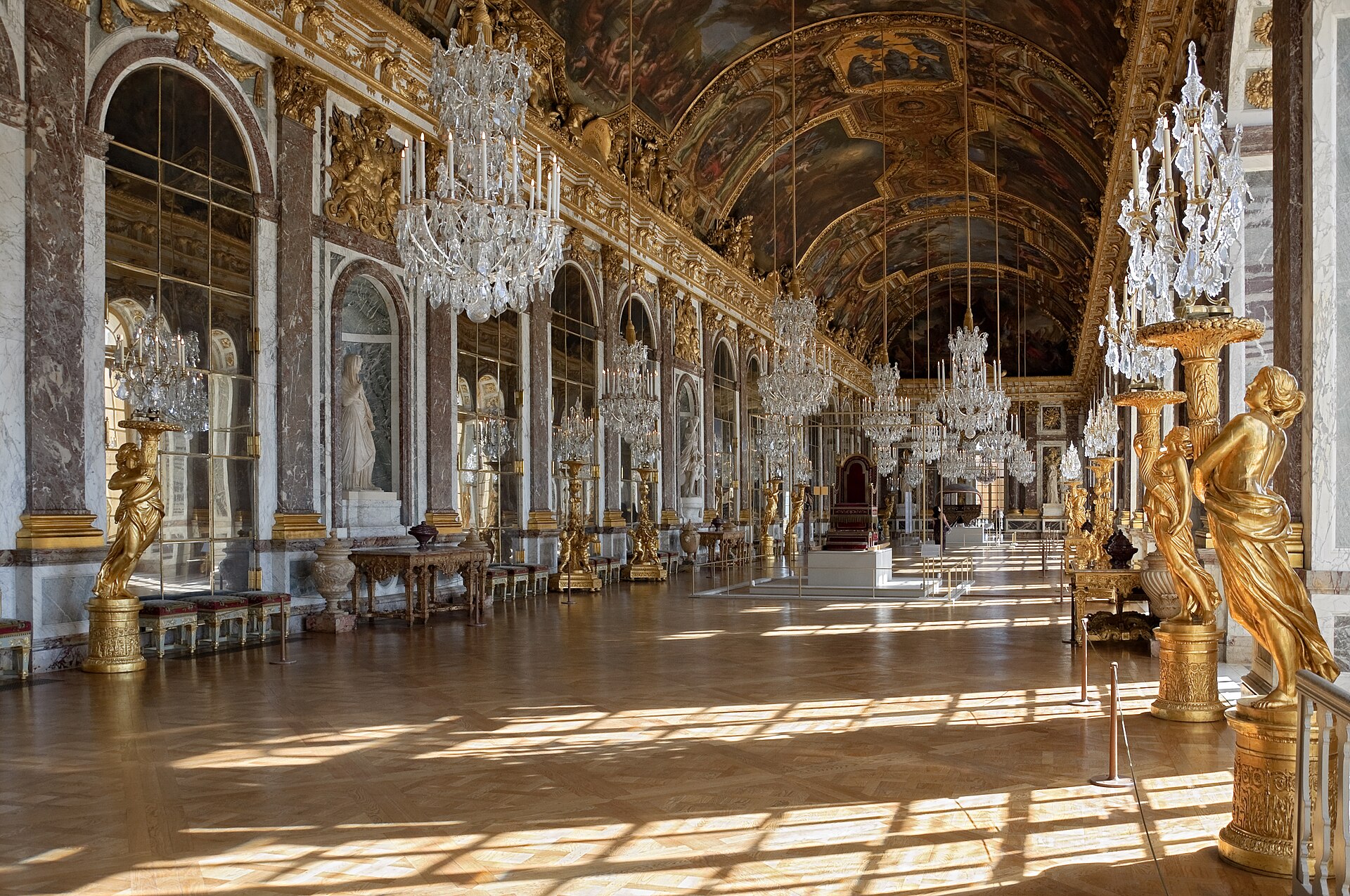
09:00. The Palace, on the slot you booked weeks ago. The State Apartments and the Hall of Mirrors take about an hour and a half at a pace that is not a march.
10:30. Out into the Gardens, where in high season the Musical Gardens or Musical Fountains are running and your Passport's single garden entry gets used. Down to the Latona basin, along towards the Grand Canal, then north.
12:00. The Estate of Trianon, which has just opened. The Grand Trianon, the Petit Trianon and the Queen's Hamlet are far quieter than the Palace, and they are the part people cut when they give Versailles an afternoon. Give it until about half past three.
16:00. Back towards the station, or stay: in high season the Park is open until 8.30pm.
Evening. Book nothing. You have walked eight to twelve kilometres and you are not going to enjoy a museum.

Day 3: The Louvre, late
Put this on a Wednesday or a Friday and use the 9pm closing. It is the best free trick in Paris.
Morning. The Marais, Montmartre, the Rodin museum, a market. Outdoors and unbooked, because the afternoon is indoors and long.
15:00 or 16:00. Into the Louvre on a late slot, for the last hours of the day when the tour groups have gone. €22 if you hold EEA nationality or residence, €32 if you do not.
Treat the Louvre as three or four rooms chosen in advance plus whatever you pass on the way. It is not a building you finish. The Mona Lisa is a scrum in a large room: go if you want to have seen it, and do not plan a route around it.
Free evenings. The Louvre is free for everyone on the first Friday of the month after 6pm, except in July and August, and on 14 July. That is €32 saved for a non-EEA visitor and, predictably, one of the busiest sessions of the month. Take the money or take the space, but choose deliberately.
Day 4: The tower, and whatever you skipped
Daytime. Whichever of Orsay, the Arc de Triomphe, the Panthéon or Montmartre did not fit. If day 4 is a Monday, Orsay is out but the Arc de Triomphe and the Panthéon are open, so the day rebuilds around the Champs-Élysées and the Left Bank.
Late afternoon into evening. The Eiffel Tower. Its own guidance is to come after 5pm or in the evening, that Tuesday to Thursday are the quietest weekdays, and that end of June to early September is the busiest stretch of the year. Lift to the second floor is €23.50, lift to the top €36.70, stairs to the second floor €14.80, stairs then lift to the top €28.
The stairs are underrated: €14.80 against €23.50 for the same second floor view, no lift queue, and about the same climb as the Notre-Dame towers. If you want the summit, book the day the 60 day window opens, because summit tickets are the ones that go.
What to skip
A Versailles afternoon. The whole argument of this post. If you truly only have half a day, do the Gardens and Trianon and skip the Palace, rather than doing the Palace at 3pm and finding Trianon shut by the time you have walked there.
The Paris Museum Pass, unless you are doing five or more paid sites. It covers the Louvre, Versailles, Orsay and Sainte-Chapelle, and books your slot at none of them, so it changes the price and not the planning. I could not load the pass's own site to confirm the current price, so check parismuseumpass.fr before deciding.
Any "skip the line" Louvre ticket well above €32. You are buying a guided tour. Fine on purpose, at a price you agreed to. Not fine because a search result told you the official site had nothing left, when that site says a slot is recommended rather than required.
What four days in Paris costs
Per person, excluding accommodation and flights, at the 2026 prices verified above.
| Line item | Four days | Notes |
|---|---|---|
| Airport transfer | €28 | The €14 Paris Région to Airports ticket, both ways |
| Local transport | €25 to €31 | Around ten journeys at €2.55, including Versailles at €5.10 return |
| Versailles Passport | €32 to €35 | €22 to €25 from 1 November to 31 March |
| Louvre | €22 or €32 | EEA or not. Free on the first Friday evening of most months |
| Sainte-Chapelle | €16 or €22 | €23 or €30 combined with the Conciergerie |
| Eiffel Tower | €14.80 to €36.70 | Stairs to level 2 at the bottom, lift to the summit at the top |
| One more site | €13 to €22 | Arc de Triomphe or Panthéon, priced by season |
| Notre-Dame | €0, or €16 with the towers | The cathedral itself has no ticket |
| Accommodation tax | €10.40 to €46.80 | Four nights at €2.60 to €11.70 per adult per night |
Food is the line this table cannot guess. Paris runs from a coffee standing at a zinc counter to a two hour lunch that costs more than your Versailles ticket, and both are correct on different days.
Key Takeaways
| Point | Details |
|---|---|
| Versailles is a full day, by its own account | The Palace's suggested schedule is 9am for the Palace, 10am to noon for the Gardens, and noon to 4.30pm for Trianon. |
| Trianon opens at noon and is 30 minutes' walk away | Which is why an afternoon visit cannot reach it before last admission. |
| The Palace slot is compulsory, the rest is not | "To access the Palace, all visitors must book a time slot." The Gardens and Trianon have no slot. |
| The Louvre says recommended, not required | The museum's own wording is "time-slot bookings are recommended". Book anyway, but know the difference. |
| The headline prices split in January 2026 | Louvre €22 EEA and €32 non-EEA. Versailles Passport €32 EEA and €35 standard, high season. |
| Monday and Tuesday each cost you something | Monday closes Versailles and Orsay. Tuesday closes the Louvre and is a peak day at Versailles. |
| One flat fare now reaches Versailles | €2.55 per rail journey across the whole region since the 2025 fare reform, so €5.10 return. |
| Paris tourist tax rose sharply for 2026 | €8.45 per adult per night at a four star hotel, after a new 200 per cent regional supplement. |
Where this itinerary tends to break
The Versailles slot lands in the afternoon. The most common failure, and the plan does not survive it unchanged. If the only Palace slot is 2pm, invert the day: gardens from opening, Trianon at noon, Palace at 2pm, and accept the State Apartments at the busiest hour. Do not keep Trianon for after the Palace, because you will arrive past last admission.
Low season is a different trip. From 1 November to 31 March the Palace and Trianon shut at 5.30pm with last admission at 4.45pm and the Gardens close at 6pm, so the Versailles day compresses and the walk to Trianon eats a larger share of it. The compensation is a free garden and a €25 or €22 Passport.
Summer at the Eiffel Tower. End of June to early September is the tower's own stated peak, and a Saturday inside that window is the worst combination available. Go after 5pm and take the stairs.
Rail disruption. RER C has a lot of branches and does not always run to Versailles Château Rive Gauche. If it is out, Versailles Rive Droite from Saint-Lazare and Versailles Chantiers from Montparnasse both work, at about 20 minutes' walk instead of 10.
The queue at Notre-Dame. Free and no ticket does not mean no wait. Between April and October the line on the parvis can swallow an hour you had allocated elsewhere. The cathedral's own free reservation is the fix and it costs nothing to hold one.
How Planytera handles a trip like this
Planytera is an AI trip planner built by a solo developer, available on iOS, Android and the web. You describe the trip you want and it builds a day-by-day itinerary, ready in moments. Four things it does map onto the problems above.
Moving one anchor re-orders the rest. The Versailles slot you actually get is the thing most likely to break this plan. Change the day it sits on and the surrounding days re-sequence, instead of leaving you with a Monday holding Versailles and Orsay and nothing open.
Pacing is a setting rather than an accident. A Versailles day is eight to twelve kilometres on foot. Ask for a slower trip and the itinerary re-paces the days either side, rather than deleting stops.
Offline access covers the parts with no signal. Save a trip and the itinerary, maps and notes stay available without a connection. The Paris metro is underground, the RER out to Versailles goes through long cuttings, and the Louvre is two hours of thick stone.
Group trips settle up without a spreadsheet. Share a read-only link, or invite people to vote on which sites make the cut, and use split costs to track who owes who. It does the arithmetic and never touches anyone's money, and there are no cards to link.
It also checks visa and e-visa requirements once you set your passport.
Frequently asked questions
Do I have to book the Louvre in advance?
Officially, no. The Louvre's own visit page says "time-slot bookings are recommended, including for free-admission visitors", which is weaker than the requirement most guides describe. Book anyway, because the convenient slots go first and the walk-up queue at the Pyramid is long in summer. The distinction matters if you are already in Paris and the calendar looks empty: you have not lost the museum.
How long do I actually need at Versailles?
A full day. The Palace's own suggested schedule runs from the 9am opening to 4.30pm, and the Estate of Trianon opens at noon and sits 30 minutes' walk from the Palace across the Gardens. An afternoon visit gets you the State Apartments and little else.
Which day of the week should I go to Versailles?
Wednesday, Thursday or Friday. It is closed on Mondays, and its own FAQ names Tuesdays and weekends as the most crowded days. Tuesday is busy for a specific reason: the Louvre closes on Tuesdays.
How much does the Louvre cost in 2026?
€22 for nationals and residents of the European Economic Area and €32 for everyone else, after the January 2026 split. Under 18s are free, as are EEA residents under 26. Entry is free for everyone on the first Friday of the month after 6pm, except in July and August, and on 14 July.
What is the cheapest way to get from Paris to Versailles?
A standard metro, train and RER ticket, €2.55 each way from 1 January 2026. Since the 2025 fare reform a single rail ticket is valid across the whole region regardless of zone, with the airports carved out, so Versailles is a flat fare. RER C to Versailles Château Rive Gauche puts you a 10 minute walk from the entrance.
Is the Paris Museum Pass worth it for four days?
Probably not on this itinerary. It covers the Louvre, Versailles, Orsay and Sainte-Chapelle, but it does not book your time slot at the Louvre or at Versailles, which is the constraint that actually shapes the trip. Four days rarely gets you past four or five paid sites anyway.
Useful sources and further reading
- Louvre hours and admission, the €22 and €32 prices, the Tuesday closure, the free first Friday evening, and the "recommended" wording.
- 8.7 million visitors to the Louvre in 2024, the museum's own attendance figures.
- Versailles 2026 ticketing, the 14 January prices, the EEA reduction and the season definitions.
- Versailles tickets and prices, the Passport, the Trianon ticket, and "all visitors must book a time slot".
- Versailles practical information, hours by season, last admissions and the 30 minute walk to Trianon.
- Versailles FAQ, the suggested one day schedule and the note on Tuesdays and weekends.
- Musical Fountains Show and Musical Gardens, the 2026 dates.
- Versailles train stations, the three stations and their walking times.
- Centre des monuments nationaux 2026 rates, Sainte-Chapelle from 12 January and the seasonal Arc de Triomphe and Panthéon prices.
- Towers of Notre-Dame de Paris, the €16 ticket and the 424 steps.
- Eiffel Tower rates and opening times, the four adult prices.
- Eiffel Tower attendance, the 60 and 30 day sale windows and the busiest periods.
- Île-de-France Mobilités 2026 fares, the €2.55, €2.05, €14 and Navigo prices.
- The 2025 Île-de-France fare reform, the flat rail ticket and the airport exclusions.
- Paris tourist tax from 1 January 2026, the Ville de Paris schedule and the 200 per cent regional supplement.
Recommended
More from the Planytera blog.