Blog17 min read
4 Day Kyoto Itinerary: Beating Temple Fatigue
A four day Kyoto plan built around opening times rather than attraction lists, with the shrines that are free at dawn and the ones now charging double.
By Dom
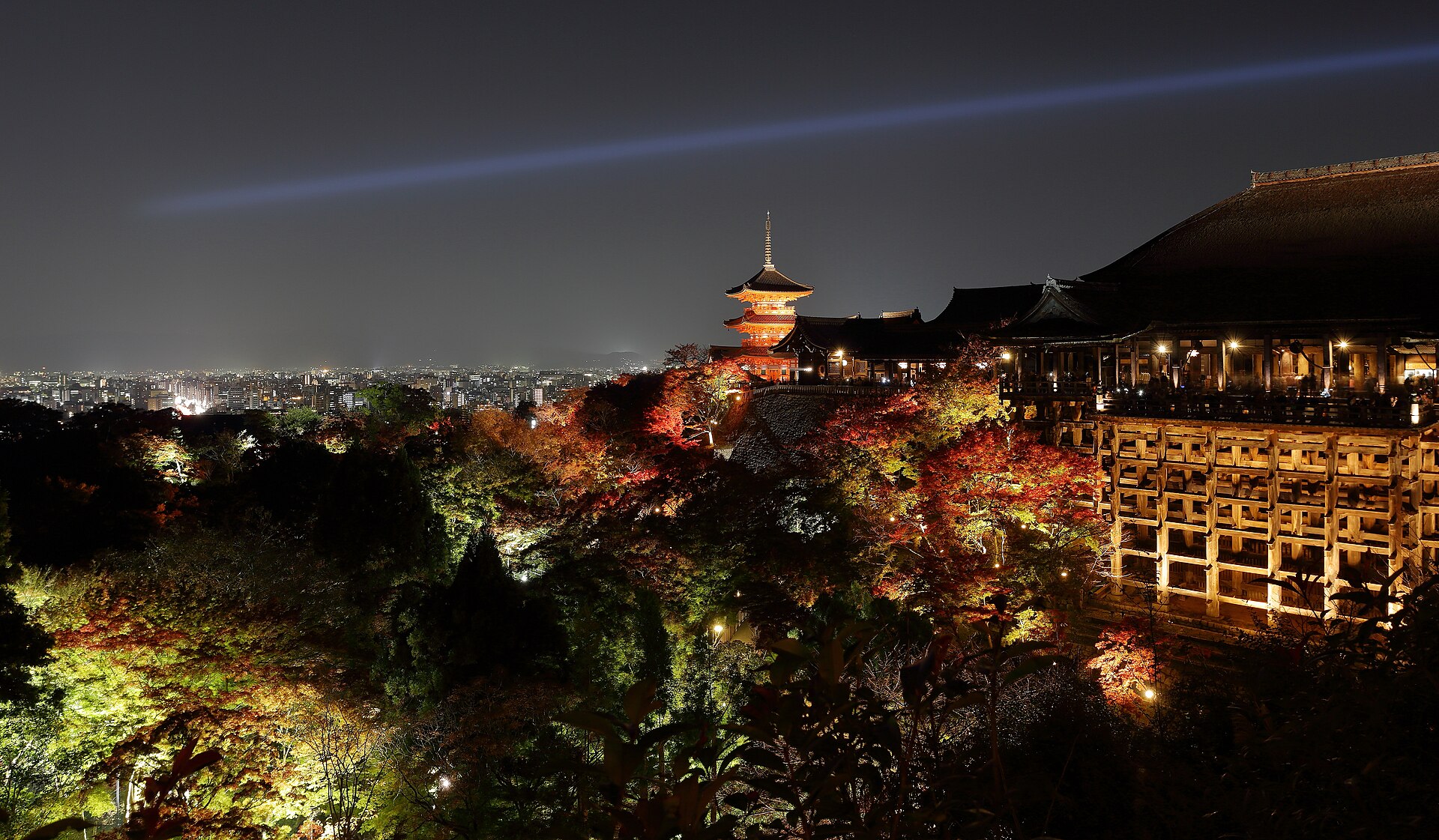

Somewhere around the ninth temple, most people stop being able to tell them apart. The gate, the gravel, the moss, the hall, the garden you view from a wooden veranda in socks. Individually they are extraordinary. Stacked four a day for four days, they turn into a single blurred building you photograph out of obligation.
That is temple fatigue, and it is the actual failure mode of a Kyoto trip. People do not run out of time. They run out of attention around lunchtime on day three.
The fix is not fewer temples. It is going at the right hour, and breaking the pattern with days that are not about temples at all. Kyoto's most famous sites open earlier than almost anything comparable in Japan, and two of the best are free at any hour. Most itineraries ignore this and start everyone at nine.
What actually opens before nine
Opening times in Kyoto vary by hours, not by minutes, and almost no itinerary bothers to check them. The gap between the earliest and the latest is the difference between having Kiyomizu-dera's approach to yourself and queueing on it.
| Site | Opens | Adult fee | Source |
|---|---|---|---|
| Fushimi Inari Taisha | Any hour, grounds always open | Free | Kyoto Prefecture Tourism Federation |
| Nishi Hongan-ji | 5:30, closes 17:00 | Free | Temple's own visitor page |
| Kiyomizu-dera | 6:00, closes 18:00 (18:30 in July and August) | ¥500 | Temple site for hours, see note below on the fee |
| Heian Jingu grounds | 6:00 | Free (the Shin-en garden is ¥600 and opens 8:30) | Kyoto City Official Travel Guide |
| Ginkaku-ji | 8:30 from 1 March to 30 November, 9:00 in winter | ¥1,000 | Temple's own access page |
| Tenryu-ji | 8:30, last entry 16:50 | ¥500 garden, ¥300 more for the buildings | Temple's own visitor page |
| Sanjusangen-do | 8:30 from 1 April to 15 November, 9:00 in winter | ¥600 | Kyoto Prefecture Tourism Federation |
| Nijo Castle | 8:45, entry closes 16:00 | ¥800, or ¥1,300 with Ninomaru-goten Palace | Kyoto City's own castle site |
| Kinkaku-ji | 9:00, closes 17:00 | ¥500 | Temple's own access page |
One honest caveat on Kiyomizu-dera. The temple confirms a 6:00 gate opening year-round on its own site, but it does not print the admission price on any visitor page I could find. Every secondary source agrees on ¥500 for adults and ¥200 for school-age children, and nothing contradicts it, but it is not a figure the temple itself publishes. Carry cash either way.
The practical reading of that table: you can be inside Kiyomizu-dera at 6:00, walk the Sannenzaka and Ninenzaka slopes down through Higashiyama with the shutters still down, and be finished with the busiest corner of Kyoto before the first tour group has had breakfast. By eleven the same walk is a crowd management exercise.
Getting around, and the pass that usually does not pay
Kyoto is a bus city with a subway attached, which is the opposite of what most visitors expect after Tokyo. The subway is two lines. Most of what you want is on a bus, and the buses get very full.
The flat fare on a Kyoto City Bus inside the central zone is ¥230 for adults and ¥120 for children. The Tourist Express Bus, the limited-stop service aimed at the Kiyomizu and Ginkaku-ji corridor, is ¥500 flat.
The pass question comes up constantly and the answer has changed. Kyoto no longer sells a bus-only one-day pass. What exists now, per the city's own travel guide:
| Pass | Adult price | Covers |
|---|---|---|
| Subway and Bus One-day Pass | ¥1,100 | Subway, City Bus, Kyoto Bus, Keihan Bus, West Japan JR Bus |
| Kyoto City Subway One-day Pass | ¥800 | Subway only |
| Randen One-day Free Ticket | ¥700 | The Randen tram to Arashiyama |
| Subway and Randen One-day Pass | ¥1,300 | Both |
At ¥1,100 against a ¥230 fare, the combined pass needs five rides in one day to break even. On the itinerary below, only one day comes close. Most people are better off tapping an IC card and paying as they go, which also spares you the decision at the ticket machine every morning.
One change is coming that will not affect a trip taken now but is worth knowing. On 25 February 2026, Mayor Koji Matsui told the city council that Kyoto intends to charge different bus fares to residents and non-residents: ¥200 for residents, down from ¥230, and ¥350 to ¥400 for everyone else, with residency verified through My Number cards linked to IC transit cards. The target is fiscal 2027, subject to an ordinance revision and national approval. It would be the first large-scale dual-pricing scheme on a Japanese bus network.
Where to stay, and the tax that changed in March 2026
Kyoto's accommodation tax was rewritten this year and the change is large at the top end. From 1 March 2026 the tax is charged in five bands rather than three, per person per night:
| Room rate per person per night | Tax |
|---|---|
| Under ¥6,000 | ¥200 |
| ¥6,000 to ¥19,999 | ¥400 |
| ¥20,000 to ¥49,999 | ¥1,000 |
| ¥50,000 to ¥99,999 | ¥4,000 |
| ¥100,000 and above | ¥10,000 |
The old structure charged ¥200 below ¥20,000, ¥500 from ¥20,000 to ¥49,999, and ¥1,000 above that. So a mid-range room has gone from ¥200 to ¥400 a night, which nobody will notice, and a luxury room has gone from ¥1,000 to ¥10,000 a night, which everybody will. Four nights for two people in a ¥120,000 room is now ¥80,000 in tax alone. Check whether your booking quoted it.
On location: near Kyoto Station buys you the trains and costs you the atmosphere. Higashiyama or Gion buys you the dawn walks that make this itinerary work and costs you convenience on the days you leave the city. Central Kyoto around Karasuma and Shijo is the compromise, with subway access on both lines and dinner within walking distance.
If the early-morning premise here appeals to you, weight the decision towards Higashiyama. A 6:00 start is a different proposition when it is a fifteen minute walk rather than a bus you have to catch before the buses run properly.
The four day itinerary
The structure below alternates deliberately. Two temple-dense days, one that is barely about temples at all, and one out of the city. That rhythm is the fatigue fix, and it matters more than which specific temples you pick.
Day 1: Higashiyama at dawn, and nothing after four
6:00. Kiyomizu-dera. The gates open at six and this is not a hypothetical: the temple confirms it on its own site, year-round. The wooden stage over the hillside, which is the image everyone has of Kyoto, is genuinely quiet at this hour and genuinely unpleasant by mid-morning. Give it an hour.
7:30. Walk down Sannenzaka and Ninenzaka. These are the preserved stone-stepped lanes below the temple, and they are the best fifteen minutes in Kyoto when they are empty and a slow-moving queue when they are not. The shops will be shut. That is fine. You are here for the street, not the shops.
9:00. Continue north through Kodai-ji's grounds and Maruyama Park to Yasaka Shrine, then into Gion, where a specific rule applies. Several of Gion's narrow lanes are private roads, and the local district council has posted trilingual signs reading "Private Road Do Not Enter Fine up to ¥10,000". Photography and entry by tourists and guided tours are prohibited on those alleys, with cameras installed to back it up. The main streets are public and fine. If a lane has a sign, believe it.
Late morning. Breakfast properly, then Sanjusangen-do, which opens at 8:30 from April to mid-November and costs ¥600. It holds 1,001 standing statues of Kannon in a long hall, and it is the most memorable interior in Kyoto precisely because it looks nothing like the other temples. No photography inside, which turns out to help.
Afternoon. Stop. This is the part people delete and then regret deleting. You have been up since five. Go back, sleep for an hour, and go out again for dinner. A four day trip that does not build in an afternoon collapse on day one will get one anyway, on day three, at a worse moment.

Day 2: Fushimi Inari before sunrise, then a day with almost no temples
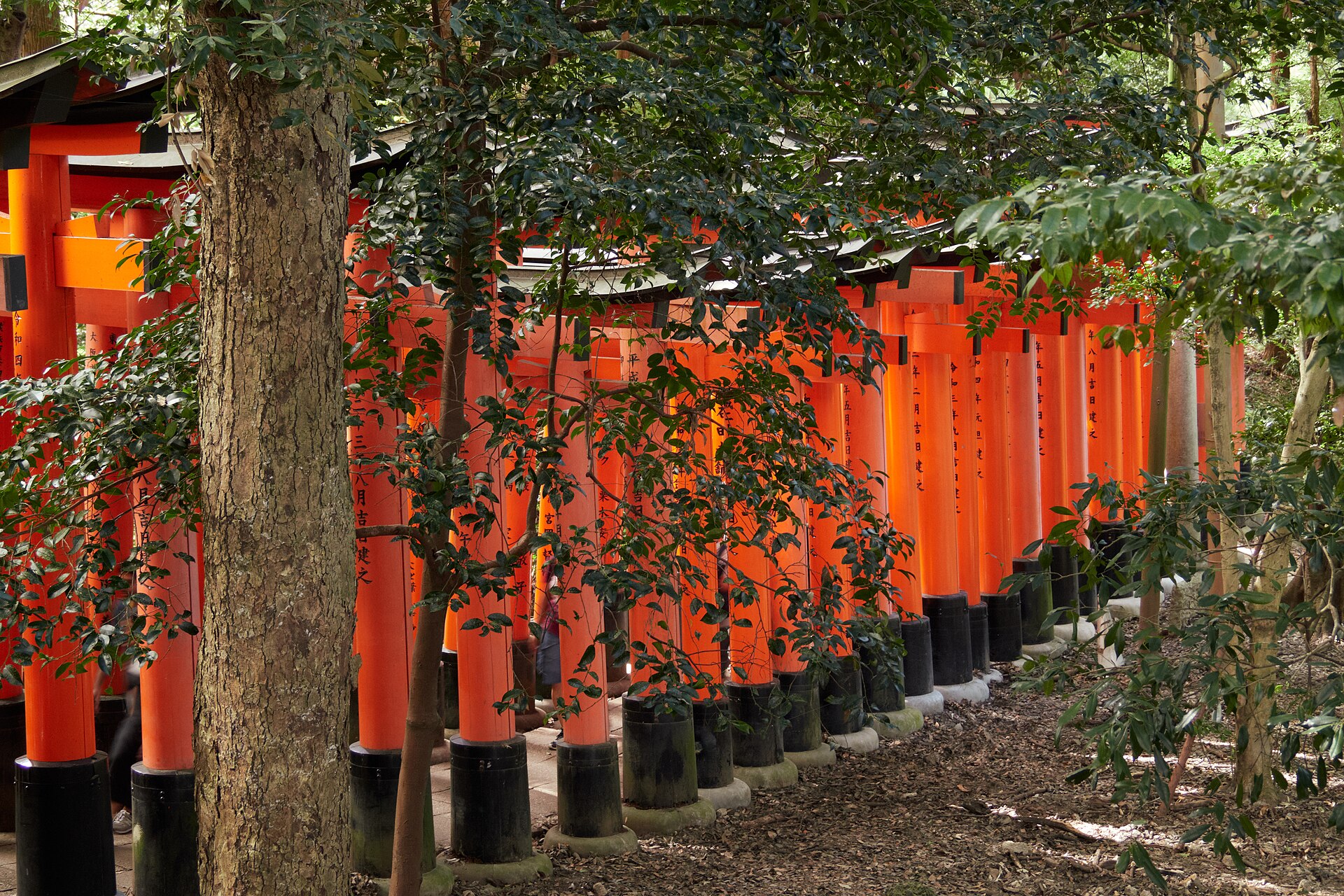
Before dawn. Fushimi Inari Taisha. The Kyoto Prefecture Tourism Federation lists the shrine as open for worship at any hour with no admission fee, and that is the whole point. There is no gate to wait for. The tunnels of vermilion torii gates that everyone comes for are on the mountain path behind the main hall, and the difference between 6:00 and 10:00 there is total.
Getting there is quick, though the official sources disagree on exactly how quick. The shrine's own access page says Inari Station is two stops and five minutes from Kyoto Station on the JR Nara Line. Kyoto's official city travel guide says about nine minutes. Either way it is short, all trains stop there, and the station exit faces the main approach.
Walking the full loop to the summit and back takes a couple of hours at a normal pace. You do not have to. The dense photogenic stretch is in the first twenty minutes, and the crowd thins after the Yotsutsuji viewpoint about halfway up. Turn around whenever you like.
Mid-morning. Back into the city, and now break the pattern deliberately. Nishiki Market is a covered arcade of food stalls, knife shops and pickle vendors running parallel to Shijo. It is busy and touristed and still the best place in Kyoto to eat standing up.
Afternoon. Nijo Castle, which is a castle and not a temple, and that is exactly why it belongs here. Entry is ¥800, or ¥1,300 combined with the Ninomaru-goten Palace, which is the part worth paying for: the nightingale floors that squeak deliberately underfoot, and the shogun's audience chambers. Last entry is 16:00, earlier than most people assume. Honmaru-goten Palace is a further ¥1,000 and requires an advance web reservation.
Late afternoon. Kyoto Imperial Palace, a twenty minute walk north. It is free, it needs no application, and you can simply walk in. Free guided tours run in English at 10:00 and 14:00 and take about fifty minutes. It closes on Mondays.
Day 3: Arashiyama early, then the northwest
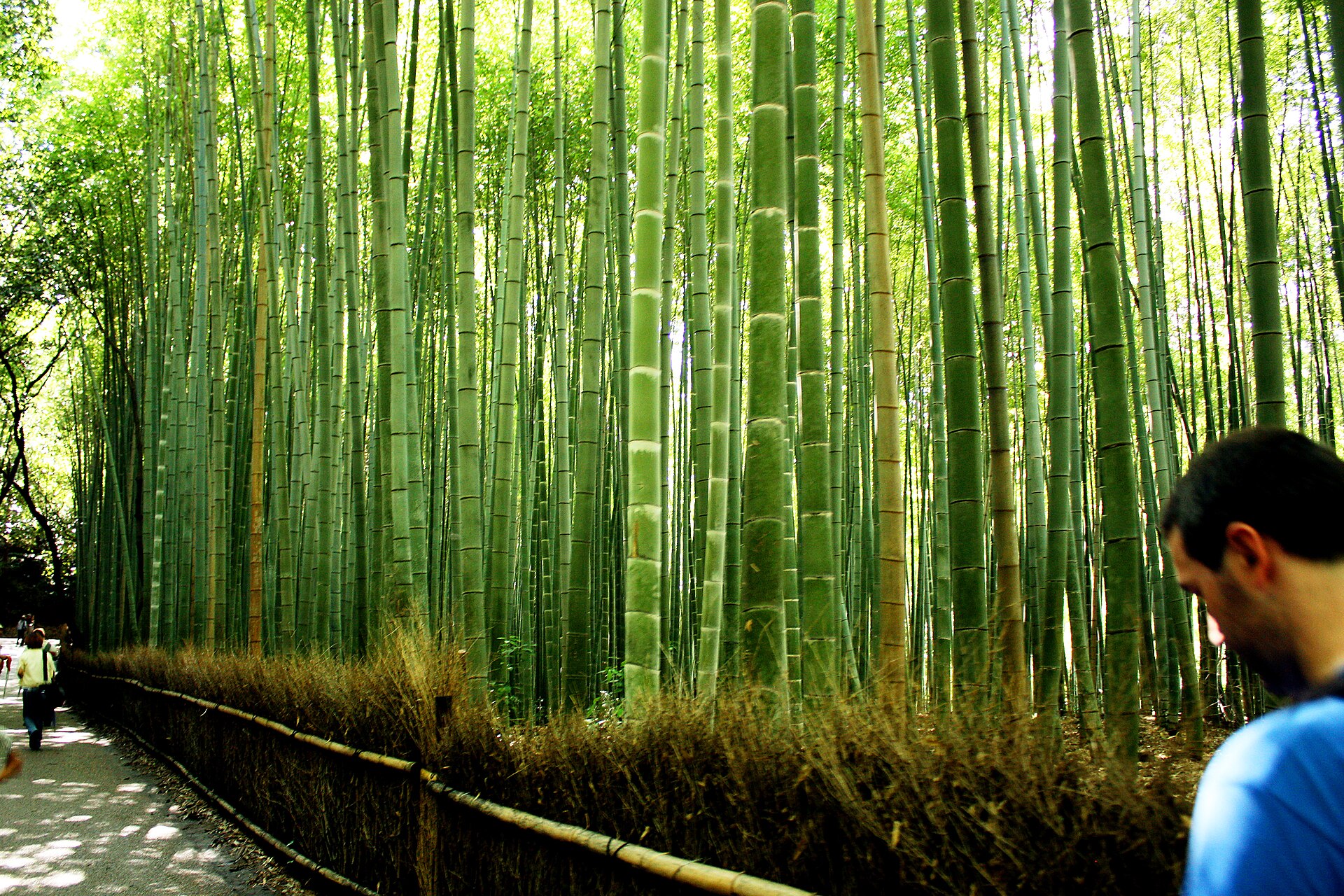
8:00. The Arashiyama bamboo grove is a public path with no gate and no fee, and it is thoroughly ruined by ten in the morning. Get there early. Kyoto's official travel guide puts Saga-Arashiyama Station about eleven minutes from Kyoto Station on the JR Sagano Line, then roughly an eight minute walk to the Togetsukyo bridge area.
8:30. Tenryu-ji opens at 8:30 with last entry at 16:50. The garden alone is ¥500, the buildings are ¥300 more, and the Cloud Dragon ceiling painting in the Dharma Hall is a separate ¥500 on weekends, holidays and designated seasonal periods. The garden is the reason to come: it is a fourteenth century design that has survived largely intact, and it is arranged to borrow the mountains behind it. If you visit in mid to late November, the prefectural tourism federation lists an earlier 7:30 opening for the autumn period.

Late morning. Walk the riverbank west of the bridge, which most day-trippers never do, or take the Randen tram back east. The Randen is a one-line street tram, the last of Kyoto's old network, and the ¥700 one-day ticket is worth it only if you plan several hops.
Afternoon. Kinkaku-ji, the Golden Pavilion. It opens at 9:00, closes at 17:00 and costs ¥500. Be clear-eyed about what it is: a one-way path around a pond with a gold building on it, walked by an enormous number of people, taking well under an hour. Worth seeing once, not a place you linger. Ryoan-ji's rock garden is a short bus ride away if you want a second stop, though I could not reach its official site to confirm its current fee, so check before you go.
Evening. Back to central Kyoto. Day three evening is when people are most tired and most likely to eat badly. Book something.
Day 4: Nara, or a slow Kyoto day
Four days is enough to spend one of them somewhere else, and Nara is close enough that it does not require an early start.
Per the Nara City Tourist Association, the Kintetsu limited express takes about 35 minutes from Kintetsu Kyoto Station, with a surcharge on top of the base fare. The JR Miyakoji Rapid takes about 45 minutes from JR Kyoto Station. Both drop you within walking distance of Nara Park.
What Nara gives you that Kyoto cannot is scale and space: Todai-ji's Great Buddha Hall, deer wandering a park the size of a district, and a change of visual vocabulary, which is the actual antidote to temple fatigue.
If you would rather not travel, the alternative is a deliberately slow Kyoto day: Nishi Hongan-ji at 5:30 if you are still on the early schedule, which is free and enormous and almost empty; Heian Jingu's grounds from 6:00, also free, with its garden opening at 8:30 for ¥600; and an afternoon in a neighbourhood rather than at a site. Neither option is wrong. The mistake is filling day four with three more temples because they were on a list.
What to skip, and why
Service journalism means saying this part out loud.
Ginkaku-ji, unless you specifically want it. The Silver Pavilion doubled its admission on 1 April 2026, from ¥500 to ¥1,000 for high school students and above, and from ¥300 to ¥500 for younger children. It was the first increase in 32 years, and the temple's own notice gives the reason as rising labour and materials costs. It is a lovely, restrained garden. It is also now twice the price of Kinkaku-ji, and four days is tight. If you have to choose, this is the one to cut.
Kyoto Tower. The view is of a low-rise city. Skip it.
Arashiyama and Higashiyama on the same day. They are on opposite sides of Kyoto and the transfer eats the middle of your day. Every itinerary that tries this produces a day of commuting.
A nationwide rail pass. Four days in Kyoto with one Nara day trip does not come close to justifying one. Pay as you go.
What four days in Kyoto costs
Per person, excluding accommodation and flights, at the prices verified above.
| Line item | Four days | Notes |
|---|---|---|
| Local transport | ¥2,000 to ¥4,000 | Flat ¥230 bus fares, a few subway rides, paid as you go |
| Temple and site admissions | ¥2,500 to ¥4,500 | Kiyomizu-dera, Sanjusangen-do, Nijo Castle combined, Tenryu-ji, Kinkaku-ji |
| Nara day trip | ¥1,500 to ¥3,000 | Kintetsu limited express costs more than the JR rapid |
| Accommodation tax | ¥800 to ¥4,000 | Four nights, at the ¥200 or ¥1,000 band. Higher if you are at the top end |
| Airport transfer from Kansai | ¥2,200 each way | The HARUKA one-way ticket for foreign passport holders, per JR West |
Food is the variable this table cannot usefully guess at, because Kyoto spans standing counters in Nishiki Market and kaiseki dinners that cost more than the rest of the day combined.
Key Takeaways
| Point | Details |
|---|---|
| Temple fatigue is a scheduling problem | Four temple-heavy days in a row stops working around day three. Alternate dense days with days that are not about temples. |
| Kyoto opens absurdly early | Kiyomizu-dera from 6:00, Nishi Hongan-ji from 5:30, Heian Jingu's grounds from 6:00. Fushimi Inari has no closing time at all. |
| Two of the best are free | Fushimi Inari and the Arashiyama bamboo grove charge nothing and have no gate, so the hour you arrive is entirely your choice. |
| Ginkaku-ji doubled on 1 April 2026 | ¥500 to ¥1,000 for high school age and above, the first rise in 32 years. On a four day trip it is the reasonable cut. |
| The day pass rarely pays | ¥1,100 against a ¥230 flat fare needs five rides in one day. Tap an IC card instead. |
| Lodging tax was rewritten in March 2026 | Five bands now, from ¥200 to ¥10,000 per person per night. The top band went up tenfold. |
| Nijo Castle stops admitting at 16:00 | Earlier than almost everything else. It is the most commonly missed closing time in the city. |
| One day outside Kyoto | Nara is about 35 minutes by Kintetsu limited express or about 45 by JR rapid, and the change of scale does more than a fifth temple. |
Where this itinerary tends to break
The 6:00 starts are the first thing to go. This plan asks for two pre-dawn mornings out of four. If you have just flown in from Europe or North America, the first will be easy because you will be awake anyway, and the second will be a fight. That is why the Fushimi Inari morning sits on day two rather than day three.
Autumn changes the arithmetic completely. Kyoto in the second half of November is the busiest it gets, several temples run night openings and extended hours, and some run advance reservation systems in that window that they do not run otherwise. Everything here about crowds is understated for those three weeks. Check individual sites.
Rain removes the best parts. Two of the four highlights are outdoor walks: the Higashiyama slopes and the bamboo grove. Neither is any good in heavy rain. Sanjusangen-do, Nijo Castle's palace interiors and the Kyoto National Museum are the wet-weather swaps.
Day four is the one that gets dropped. By the fourth morning the pull of doing nothing is strong, and Nara requires a train. It is placed last deliberately so that dropping it costs you the least.
It assumes you find temples interesting at all. Some people do not. If that is you, keep Fushimi Inari and Kiyomizu-dera, cut the rest, and use the space for Nishiki Market, a pottery street and a long lunch.
How Planytera handles a trip like this
Planytera is an AI trip planner built by a solo developer, available on iOS, Android and the web. You describe the trip you want and it builds a day-by-day itinerary, ready in moments. Four things it does map directly onto the problems above.
Pacing is a setting, not an accident. Temple fatigue is what happens when a plan is denser than the people walking it. Ask for a slower day and the itinerary re-paces rather than just deleting a stop.
Changing one thing keeps the rest in sync. Swap Ginkaku-ji out because it doubled in price, move the Nara day, drop an afternoon, and the surrounding days adjust. At least one of the four days will change once you are there.
Offline access covers the early mornings. Save a trip and the itinerary, maps and notes stay available without a signal. A 6:00 walk through Higashiyama before you have sorted out data is an ordinary way to end up staring at a blank screen.
Group trips settle up without a spreadsheet. Share a read-only link, or invite people to vote on which sites make the cut, and use split costs to track who owes who. It does the arithmetic and never touches anyone's money, and there are no cards to link.
It also checks visa and e-visa requirements once you set your passport, which is one fewer thing to look up before a trip to Japan.
Frequently asked questions
Is four days enough for Kyoto?
Four days covers the major areas at a pace that does not exhaust you, with one day left over to leave the city. It is not enough to see Kyoto comprehensively and no realistic number of days is. Treat it as one good pass at three or four districts.
What time should I get to Fushimi Inari?
As early as you are willing to. The grounds are open at any hour with no admission fee, so there is no gate time to work around. The torii tunnels behind the main hall are the crowded part, and they are quiet before the first trains bring people out from central Kyoto.
Is the Kyoto bus day pass worth buying?
Usually not. The Subway and Bus One-day Pass is ¥1,100 and the flat bus fare is ¥230, so you need five rides in a single day to break even. Kyoto stopped selling the cheaper bus-only day pass that most older guides still recommend. Tap an IC card unless you have a genuinely bus-heavy day.
How much is the Kyoto accommodation tax now?
Since 1 March 2026 it runs in five bands, charged per person per night: ¥200 under ¥6,000, ¥400 from ¥6,000 to ¥19,999, ¥1,000 from ¥20,000 to ¥49,999, ¥4,000 from ¥50,000 to ¥99,999, and ¥10,000 at ¥100,000 and above. The top band is ten times what it was under the old three-band system.
Should I do Nara as a day trip from Kyoto?
If you have four days, yes. It is about 35 minutes by Kintetsu limited express or about 45 minutes by JR Miyakoji Rapid according to the Nara City Tourist Association, so it costs you a morning rather than a day. The change of scale after three days of Kyoto temples is the real reason to go.
Which Kyoto temples are free?
More than people expect. Fushimi Inari Taisha charges nothing and has no closing time. Nishi Hongan-ji is free and opens at 5:30. Heian Jingu's grounds are free from 6:00, with only the Shin-en garden charging ¥600. Kyoto Imperial Palace is free, needs no advance application and is open to walk-in visitors, though it closes on Mondays.
Useful sources and further reading
- Kiyomizu-dera opening hours, the temple's own notice confirming the 6:00 gate opening.
- Ginkaku-ji admission revision notice, the temple's official announcement of the 1 April 2026 increase.
- Kinkaku-ji access and fees from Shokoku-ji, which administers both pavilions.
- Tenryu-ji visitor information, hours and the separate garden, buildings and Cloud Dragon fees.
- Nijo Castle admission fees, run by Kyoto City itself.
- Kyoto City Transportation Bureau bus fares, the ¥230 flat fare and the ¥500 Tourist Express Bus.
- Kyoto City Official Travel Guide: transport passes, current day-pass prices.
- Kyoto accommodation tax change, the five bands effective 1 March 2026.
- Kyoto Imperial Palace visitor page, Imperial Household Agency, on free walk-in access.
- Nara City Tourist Association access page, journey times from Kyoto.
- JR West HARUKA one-way ticket, the ¥2,200 airport fare for foreign passport holders.
Recommended
More from the Planytera blog.