Blog16 min read
5 Day Seoul Itinerary: Fix the DMZ Day First
A five day Seoul itinerary that starts with the one day you cannot move, the DMZ, then fits the palaces around the weekday closures and the holidays that shut them.
By Dom
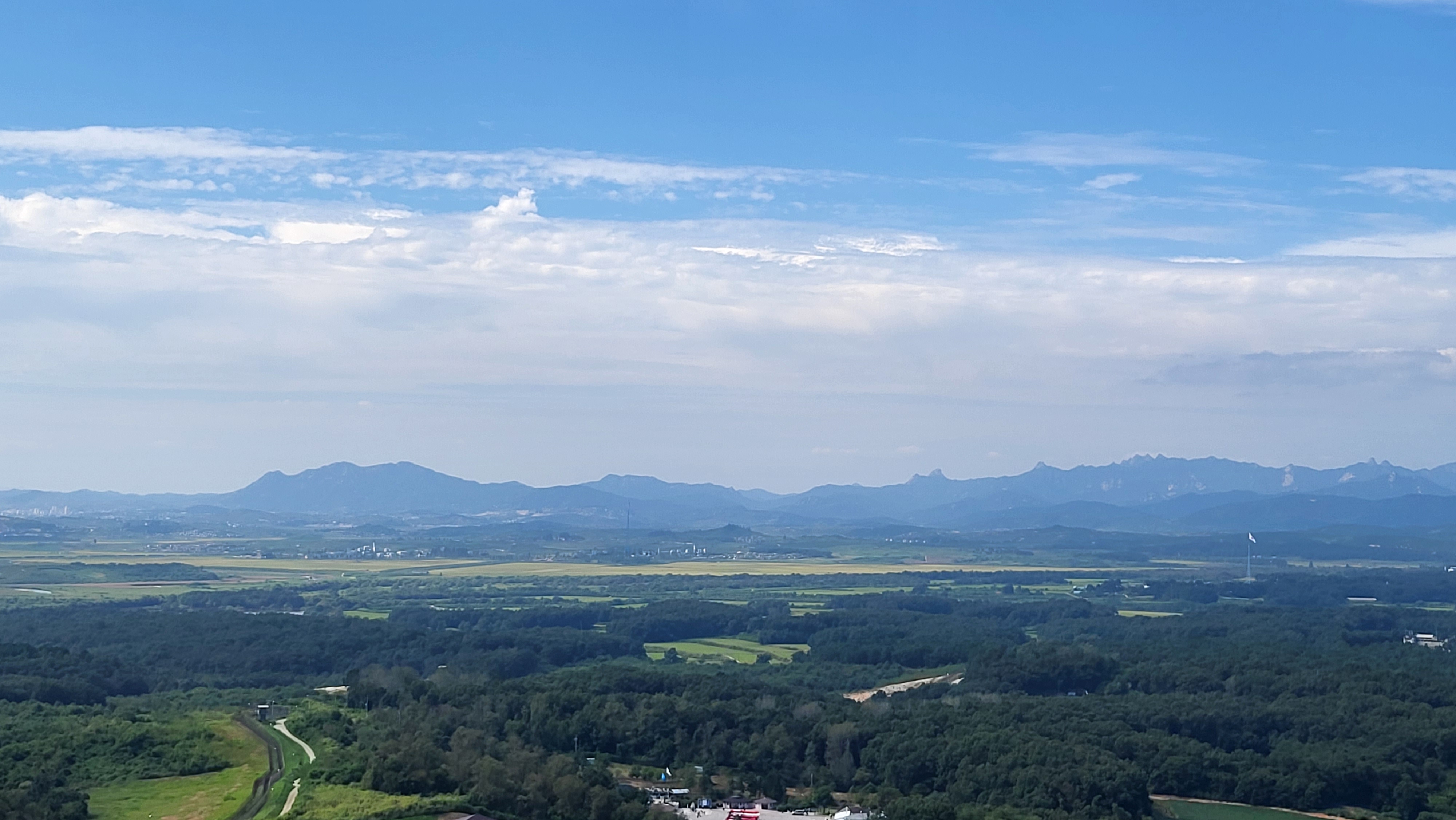

Most five day Seoul plans start with the palaces, add the markets, and drop the DMZ into whichever day looks emptiest. That is backwards. Of everything you are likely to put on a Seoul itinerary, the DMZ is the one with the most rules attached. You cannot walk in. You need a reservation. You need your passport on the day. It shuts on Mondays and on weekday public holidays. And the famous version of it, the Joint Security Area at Panmunjom, is not something a foreign visitor can count on at all right now.
So this plan starts there. It works out which day the DMZ can be, then fits the palaces around it, because the palaces have closing days of their own and the two sets of closures collide on the first two days of the week.
Every price, hour and rule below comes from a page that was opened and read. Where an official page could not be reached or two sources disagreed, the post says so. Check the linked source for your dates.
Start with the DMZ, because it has the most rules
People mean two different things by "the DMZ", and mixing them up is the most common planning mistake. The Joint Security Area (JSA) at Panmunjom is the blue huts and the border line. The Paju DMZ tour is what almost everyone actually does: Imjingak Peace Park, the Third Tunnel and the Dora Observatory, about 52 kilometres north of Seoul.
The JSA: do not build a day around it
Civilian JSA visits were suspended in July 2023 after a US soldier crossed the border during a tour, and two commercial guides say they have not resumed on any reliable schedule. Stars and Stripes, reporting a suspension ahead of the October 2025 presidential visit, described JSA tours as "already limited to military officials, distinguished visitors and media". In December 2025, NK News reported that the United Nations Command had redesigned the orientation so visitors no longer go onto Conference Row and go to the top of Freedom House instead.
Search results still show listings titled as JSA tours. Treat a listing that promises entry as a sales page, not a guarantee. Operators quote strict UN Command dress rules for it (no jeans, shorts, sandals or sleeveless tops), but the UN Command site returned an access error, so I could not check those against the source.
The Paju DMZ tour: open, but only by reservation
The Korea Tourism Organization's Third Tunnel page says visitors must reserve the tour in advance, that it starts from Imjingak Pavilion and takes about three hours, and that "all visitors are required to bring their identification, such as passports or Alien Registration Card". The Dora Observatory page is blunter: "Individual visits are not allowed. The observatory can only be accessed through the DMZ Peace Tour, which embarks from Imjingak Pavilion after reservation."
That is the mechanism behind "approved operators only". The tunnel and observatory sit inside a restricted zone with military checkpoints, so you go with a licensed operator or through the DMZ Peace Tour reservation that the VisitKorea page points to (www.dmz.go.kr). One operator's guide puts the passport rule as "non-negotiable at the gate".
| Site | Closed | Hours | Cost | Source |
|---|---|---|---|---|
| Third Tunnel | Mondays, public holidays that fall on weekdays, Seollal and Chuseok | 09:10 to 14:40 | Adult ₩12,200 by monorail, ₩9,200 on foot | Korea Tourism Organization |
| Dora Observatory | Mondays | 10:00 to 17:00 | Not given on the page | Korea Tourism Organization |
| Odusan Unification Observatory | Mondays | 09:00 to 17:00, last entry 16:30 | Free | Korea Tourism Organization |
The ₩12,200 is the tunnel's own price. It is not the price of a day tour from Seoul, which varies by operator, and I could not find an official rate for one.
Monday is out, and so is any weekday public holiday. That leaves Tuesday to Sunday, minus holidays (the sources I read list no weekend closure). In 2026, Seollal ran 16 to 18 February and Chuseok 24 to 26 September, per the Korea Tourism Organization's holiday page.
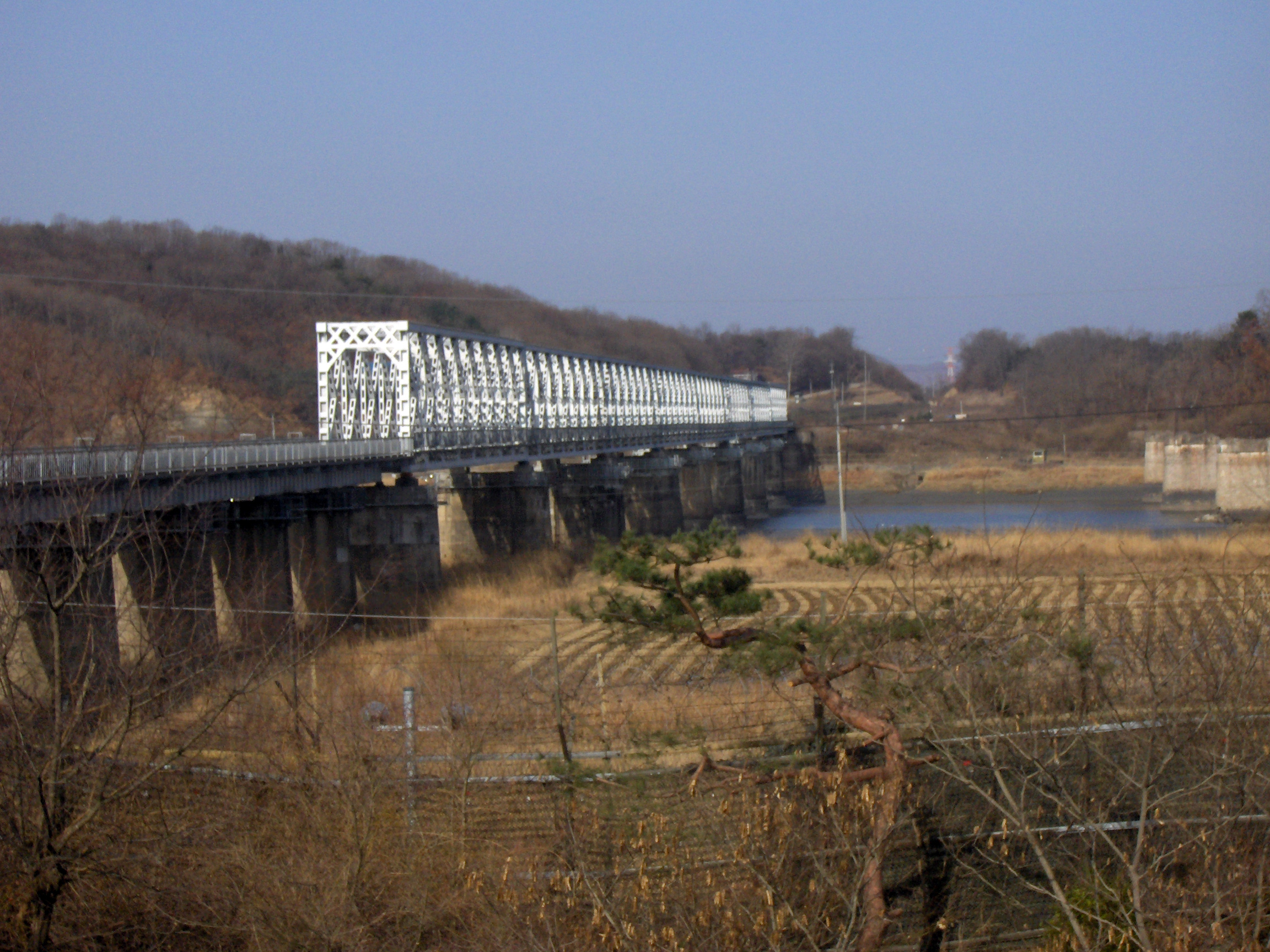

A newer option: the DMZ Peace-Link Train
Korea.net reports that the tourist train from Seoul Station to Dorasan Station resumed in April 2026 after being suspended since 2019. It carries 120 passengers per trip, and visitors get to the Dora Observatory and Unification Village. Reservations go through Korail, Korail Tourism Development or the DMZ Peace Tourism website.
The catch is the schedule: the second and fourth Fridays of each month in April and May, rising to four Fridays a month from June. A Friday-only service makes your DMZ day a fixed weekday. Reports differ on the first run (Korea.net says 10 April, the Korea Times report is dated 9 April), and neither gave a fare or an ID rule, so confirm both on the booking site.
What the DMZ does to the rest of the week
Here is the collision. The palaces run on different closing days, and the DMZ day has to avoid both its own closures and, ideally, the palaces' best days.
| Day | DMZ sites (tunnel, Dora, Odusan) | Gyeongbokgung | Changdeokgung and Huwon |
|---|---|---|---|
| Monday | Closed | Open | Closed |
| Tuesday | Open | Closed | Open |
| Wednesday to Friday | Open | Open | Open |
| Saturday and Sunday | No closure listed | Open | Open |
Sources: Korea Tourism Organization, Korea Heritage Service, VisitSeoul. All exclude public holidays, see the next section.
Monday is the only day Gyeongbokgung is open while the DMZ and Changdeokgung are both shut, so it is the natural Gyeongbokgung day if your week runs that way. Tuesday is the reverse: Gyeongbokgung is closed while everything else is available, which makes it a good DMZ day or a Changdeokgung day. Wednesday to Friday keep every option open, and that is exactly why it pays to place the DMZ first. If you leave it until last, you may find it landing on a Monday.
Public holidays: the rule that moves the closures
Korean holidays change the arithmetic in two directions. The tunnel closes on weekday public holidays. The palaces, on the other hand, open on holidays and shift their closing day instead.
The Korea Heritage Service's Changdeokgung page says the palace is closed Mondays, but "if a public holiday falls on Monday, the palace opens that day but closes the following day instead". Gyeongbokgung's wording on the Korea Tourism Organization page is the same in spirit: "Tuesdays (If Tuesday falls on a public holiday, it will be closed on the following business day instead)".
Look at the near-term calendar with that in mind. From VisitKorea and Office Holidays: National Foundation Day is on Saturday 3 October 2026 and is observed on Monday 5 October, Hangeul Day is Friday 9 October, and Christmas Day is Friday 25 December.
- Monday 5 October is a weekday holiday, so the Third Tunnel is closed. Changdeokgung is open that day and, by the rule as printed, closes the next day instead.
- Tuesday 6 October looks like a day when both palaces are shut: Gyeongbokgung on its regular Tuesday closure, and Changdeokgung because of the shifted Monday closure. That is my reading of the two published rules, not a line from a calendar, so check the Korea Heritage Service notice before you plan around it.
- Friday 9 October and Friday 25 December are weekday holidays, so the Third Tunnel is closed on both.
If your dates touch a holiday, that changes which day is your DMZ day before anything else does.
Before you land: passport, entry and the airport
Your passport matters twice. Once at immigration, and again on the DMZ day, when the tunnel page asks for a passport or Alien Registration Card. Bring the physical passport, not a photo of it.
Entry. Nationals of countries that normally travel to Korea visa-free have been exempt from the K-ETA electronic travel authorisation on a temporary basis. The Korean consulate in Atlanta says the exemption, which includes the United States, "will be effective until December 31, 2026". The notice does not say what happens after that date, so if your trip is in 2027, check the current rule before you book flights.
From Incheon to the city. The AREX Express is the nonstop train to Seoul Station. Two guides I could open put it at about 43 minutes from Terminal 1 and about 51 from Terminal 2, at ₩13,000 for an adult. The operator's own site would not load, so treat the fare as reported rather than confirmed. The all-stop train is slower (59 and 66 minutes in one guide) and far cheaper, roughly ₩4,150 to ₩5,350 by the same source.
Getting around. T-money is the standard prepaid transit card. The Korea Tourism Organization says the card costs ₩3,000 to ₩5,000 and is sold at convenience stores and subway information centres.
For a five day trip there is also the Climate Card tourist pass, which Seoul's city government lists at ₩5,000 for one day, ₩8,000 for two, ₩10,000 for three, ₩15,000 for five and ₩20,000 for seven, plus a ₩3,000 physical card. It covers the Seoul subway and Seoul-licensed buses. It does not cover the Sinbundang line, intercity or airport buses, and the city's page says you cannot board AREX at the Incheon airport terminals with it. Whether it pays depends on how many rides you take, and this plan has a couple of long days with few rides in them, so do the sum for your own week rather than buying by reflex.
The five day itinerary
The order below assumes your DMZ day is fixed on a Wednesday to Friday. Move days around using the weekday table above.
Day 1: Land, get to the centre, keep it light
Long-haul flights into Incheon often arrive when you are least able to plan, so day one has no ticketed commitments. Take the AREX to Seoul Station, drop your bags and eat near where you are sleeping. If you have the energy, N Seoul Tower is the low-effort evening: its own page lists the observatory as open until 22:30 on weekdays and 23:00 on weekends and holidays, with entry stopping 30 minutes before closing. Skip it in the rain, because the point is the view.
Day 2: The DMZ (the fixed day)
Pick a Tuesday to Friday date that is not a public holiday, and book before you book hotels if your dates are flexible. Bring your physical passport.
Wear closed shoes and covered legs and shoulders. I found no dress code on the Korea Tourism Organization pages for the tunnel or the observatory, and one operator guide says to avoid sandals, ripped jeans and revealing clothing, so this is the cautious reading. Ask your operator.
The tour begins at Imjingak. The Third Tunnel runs from 09:10 to 14:40 and the Dora Observatory closes at 17:00, so a morning departure from Seoul fits both. The tunnel offers a monorail or a walk. Ask which stops are running on your date, since the tunnel and observatory have closure days of their own.
The budget alternative is the Odusan Unification Observatory: free, open 09:00 to 17:00 with last entry at 16:30, closed Mondays. VisitKorea describes views north toward Gaeseong and south toward Seoul. It is a viewpoint, not a tunnel, so it makes a lesser day. Check current entry rules first.
Day 3: Gyeongbokgung, then Bukchon before five
Gyeongbokgung is the main palace. Adult admission for foreigners is ₩3,000 (ages 19 to 64), entry is free under 19 and over 65, and VisitSeoul says you enter free in a complete hanbok. It is closed on Tuesdays.
From March to May and September to October it is open 09:00 to 18:00 with last admission at 17:00. From June to August it is 09:00 to 18:30 (last admission 17:30). From November to February it is 09:00 to 17:00 (last admission 16:00).
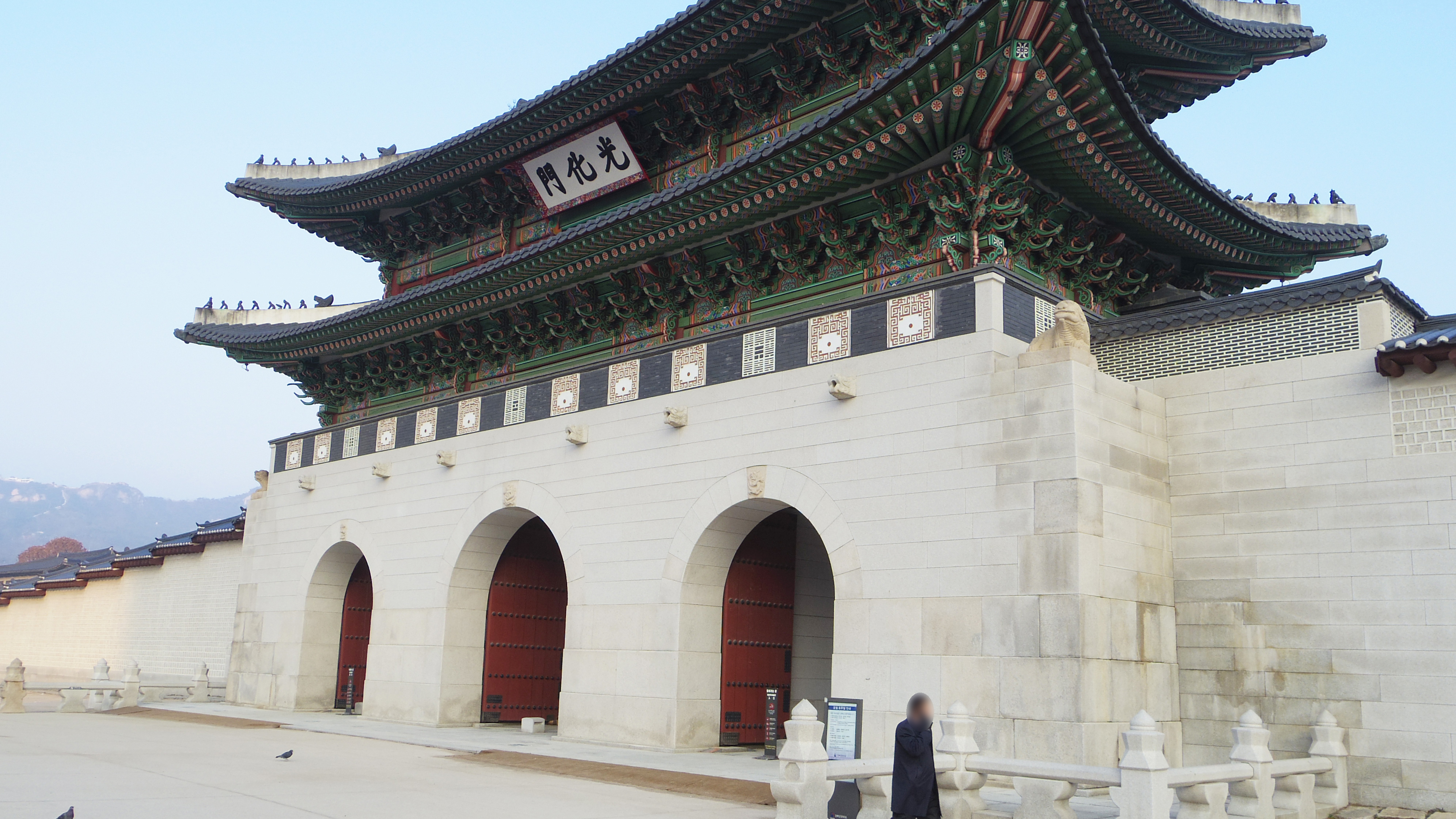

Bukchon Hanok Village is a short walk away and comes with a rule that catches people out. Seoul Metropolitan Government's notice says tourist visits to the Bukchon "Red Zone", the residential streets around Bukchon-ro 11-gil, are prohibited from 5:00 p.m. to 10:00 a.m. the next day, with a ₩100,000 fine. Enforcement began on 1 March 2025. A late-afternoon wander is fine if you finish by five. A sunrise walk is not. The notice lists no exemptions, so do not assume any.
Day 4: Changdeokgung and the Secret Garden
Changdeokgung is closed on Mondays. Adult admission is ₩3,000 and the Huwon garden is ₩5,000 more, and, the Korea Heritage Service says, "visitors who reserve Huwon tickets must purchase a separate ticket for Changdeokgung Palace". Free entry applies to children under 18, seniors 65 and over, hanbok wearers, and everyone on Culture Day, the last Wednesday of each month. Palace hours are 09:00 to 18:00 in spring and autumn months (last entry 17:00), 09:00 to 18:30 in summer, and 09:00 to 17:30 from November to January (last entry 16:30).
Huwon is guided only and capped. VisitSeoul says admission is limited to 100 people per session by language, split 50 online and 50 on-site, and individual viewing is not allowed. English tours run at 10:30, 11:30 and 14:30 from December to February, with 15:30 added from March to November. Reserve through the official Integrated Reservation Service. Huwon is the item on this trip most likely to be full.
The Korea Heritage Service lists a Royal Palace Pass at ₩6,000 for four palaces, while another guide lists one that includes Huwon and Jongmyo Shrine at the same price. Sources disagree on what it covers. Individual tickets for Gyeongbokgung, Changdeokgung and Huwon come to ₩11,000, so ask the ticket office what the pass includes before buying.
Day 5: Your flexible day, and departures
Day five is the buffer, deliberately empty. It absorbs a closed palace, a full Huwon session or a missed DMZ slot. If nothing went wrong, go back to the palace you liked best or spend the day in one neighbourhood on foot. If your flight is in the afternoon, keep anything ticketed off this day and work backwards from the AREX ride to Incheon (about 43 minutes nonstop to Terminal 1 in the guides above).
What to skip
A non-refundable JSA tour. You would be betting against a suspension that has lasted since 2023.
Bukchon at dawn or after dark. It is fined, and the village is shuttered anyway.
The Royal Palace Pass, until the ticket window confirms what it covers.
A second observatory. Dora and Odusan look out over the same border. Pick one.
Key Takeaways
| Point | Details |
|---|---|
| The DMZ fixes one day | The Third Tunnel and Dora Observatory are Monday closed, and the tunnel is also closed on weekday public holidays. |
| Tours only | The Dora Observatory page says individual visits are not allowed and access is through the DMZ Peace Tour from Imjingak after reservation. |
| Bring your passport | The Third Tunnel page asks for a passport or Alien Registration Card from every visitor. |
| The JSA is not plannable | Civilian JSA visits have been suspended since July 2023 and have not resumed on a reliable schedule. |
| Palaces close on different days | Gyeongbokgung is closed Tuesdays and Changdeokgung is closed Mondays. |
| Holidays shift the palace closures | If a closing day is a public holiday, the palace opens and closes on the next non-holiday day. |
| Huwon is capped | Guided only, 100 people per session by language, and a separate Changdeokgung ticket is required. |
| Bukchon has hours | Tourists are barred from the Red Zone from 17:00 to 10:00, with a ₩100,000 fine. |
| K-ETA exemption ends 2026 | The temporary exemption runs to 31 December 2026, so check the rule for a 2027 trip. |
Where this itinerary tends to break
The DMZ day is a single point of failure. A weather closure, a full booking or a missed holiday removes it. That is why day five is empty, and why the tour's cancellation terms matter.
A holiday near your dates rearranges everything. A Monday holiday means an open Changdeokgung, a closed tunnel and a palace closure that moves to the next day. Check the Korean holiday calendar against your dates before you set the day order.
Huwon is the likely casualty. It has fixed places per language and must be reserved. If English sessions are full, the palace alone is still worth the ticket. The Korea Heritage Service says Korean nationals cannot join foreign-language tours unless with foreign guests, and the reverse is not stated, so do not count on a Korean-language session.
The Friday train narrows the week. If you want the DMZ Peace-Link Train, your DMZ day is a Friday, and the schedule may have changed since the announcements I read.
Jet lag hits day two. The DMZ is the earliest start of the trip and lands right after the flight. From North America, consider swapping it with Gyeongbokgung.
A 2027 trip changes the entry rules. The K-ETA exemption in the source I read ends on 31 December 2026.
How Planytera handles a trip like this
Planytera is an AI trip planner built by a solo developer, available on iOS, Android and the web. You describe the trip you want and it builds a day-by-day itinerary, ready in moments. Four things it does map directly onto the problems above.
Pacing is a setting, not an accident. A plan with a fixed early start on day two needs a lighter day around it. Ask for a slower day and the itinerary re-paces rather than just deleting a stop.
Changing one thing keeps the rest in sync. Move the DMZ day because a holiday landed on it, swap the palace days, drop an afternoon, and the surrounding days adjust.
Offline access covers the awkward moments. Save a trip and the itinerary, maps and notes stay available without a signal, which helps when you are standing at a checkpoint or a palace gate without data.
Group trips get a vote. Share a read-only link, or invite people to vote on which sites make the cut, and use split costs to track who owes who. It does the arithmetic and never touches anyone's money, and there are no cards to link.
It also checks visa and e-visa requirements once you set your passport, which is one fewer thing to look up before a trip to Korea. It does not book tours or tickets, so the DMZ reservation and the Huwon slot are still yours to make.
Frequently asked questions
Can I visit Panmunjom and the Joint Security Area as a tourist in 2026?
Not reliably. Civilian JSA tours were suspended in July 2023, and the guides that track it say they have not resumed on a reliable schedule. Stars and Stripes described JSA tours in October 2025 as limited to military officials, distinguished visitors and media. Confirm refund terms before paying for any listing. The Paju DMZ tour, with the Third Tunnel and the Dora Observatory, is the version that operates.
Do I need my passport for the DMZ tour?
Yes. The Korea Tourism Organization pages for the Third Tunnel and the Dora Observatory both say all visitors must bring identification such as a passport or Alien Registration Card. Bring the physical document.
Can I visit the DMZ without a tour?
Only in part. The Dora Observatory is reached through the DMZ Peace Tour from Imjingak after reservation, and the Third Tunnel tour must be reserved in advance. One guide lists Imjingak Peace Nuri Park and the Freedom Bridge as reachable without a tour. Odusan Unification Observatory is listed as free, closed Mondays, with a 16:30 last entry.
What should I wear to the DMZ?
For the JSA, operators quote UN Command rules that refuse jeans, shorts, sandals and sleeveless tops, which I could not check at source. For the Paju tour, the Korea Tourism Organization pages I read give no dress code and operators differ. The safe choice is closed shoes, trousers or a long skirt, and sleeved tops.
Which Seoul palaces are closed on which day?
Gyeongbokgung is closed on Tuesdays and Changdeokgung on Mondays. Both open on public holidays and move the closure to the next non-holiday day. The Third Tunnel and Dora Observatory close on Mondays, and the tunnel also closes on weekday public holidays, Seollal and Chuseok.
Do I need a K-ETA to visit Korea?
Not until the end of 2026 if you are from an exempt country. The Korean consulate in Atlanta says the temporary exemption, which includes the United States, is effective until 31 December 2026. The notice does not say what follows, so check before a 2027 trip.
Useful sources and further reading
- The 3rd Tunnel, VisitKorea
- Dora Observatory, VisitKorea
- Odusan Unification Observatory, VisitKorea
- Gyeongbokgung Palace, VisitKorea
- Gyeongbokgung Palace, VisitSeoul
- Changdeokgung Palace, Korea Heritage Service
- Changdeokgung Secret Garden, VisitSeoul
- Climate Card, Seoul Metropolitan Government
- Transportation Cards, VisitKorea
- Bukchon Red Zone notice, Seoul Metropolitan Government
- N Seoul Tower hours
- Public Holidays, VisitKorea
- South Korea holidays 2026, Office Holidays
- K-ETA temporary exemption notice, Consulate General of the Republic of Korea in Atlanta
- Tourist train to Dorasan resumes, Korea.net
- Government resumes tourist train service to Dorasan Station, The Korea Times
- Panmunjom tours will no longer enter blue buildings, NK News
- South Korea suspends JSA tours, Stars and Stripes
- DMZ vs JSA access, DMZ Insider Tour
- How to visit the DMZ from Seoul, The Soul of Seoul
- AREX Express, The Seoul Guide and AREX guide, Korea Untold
Recommended
More from the Planytera blog.