Blog18 min read
2 Weeks in Japan: When the Rail Pass Actually Pays Off
A fourteen day Japan itinerary with the Japan Rail Pass arithmetic done properly, at 2026 fares and pass prices, including the rise on 1 October.
By Dom
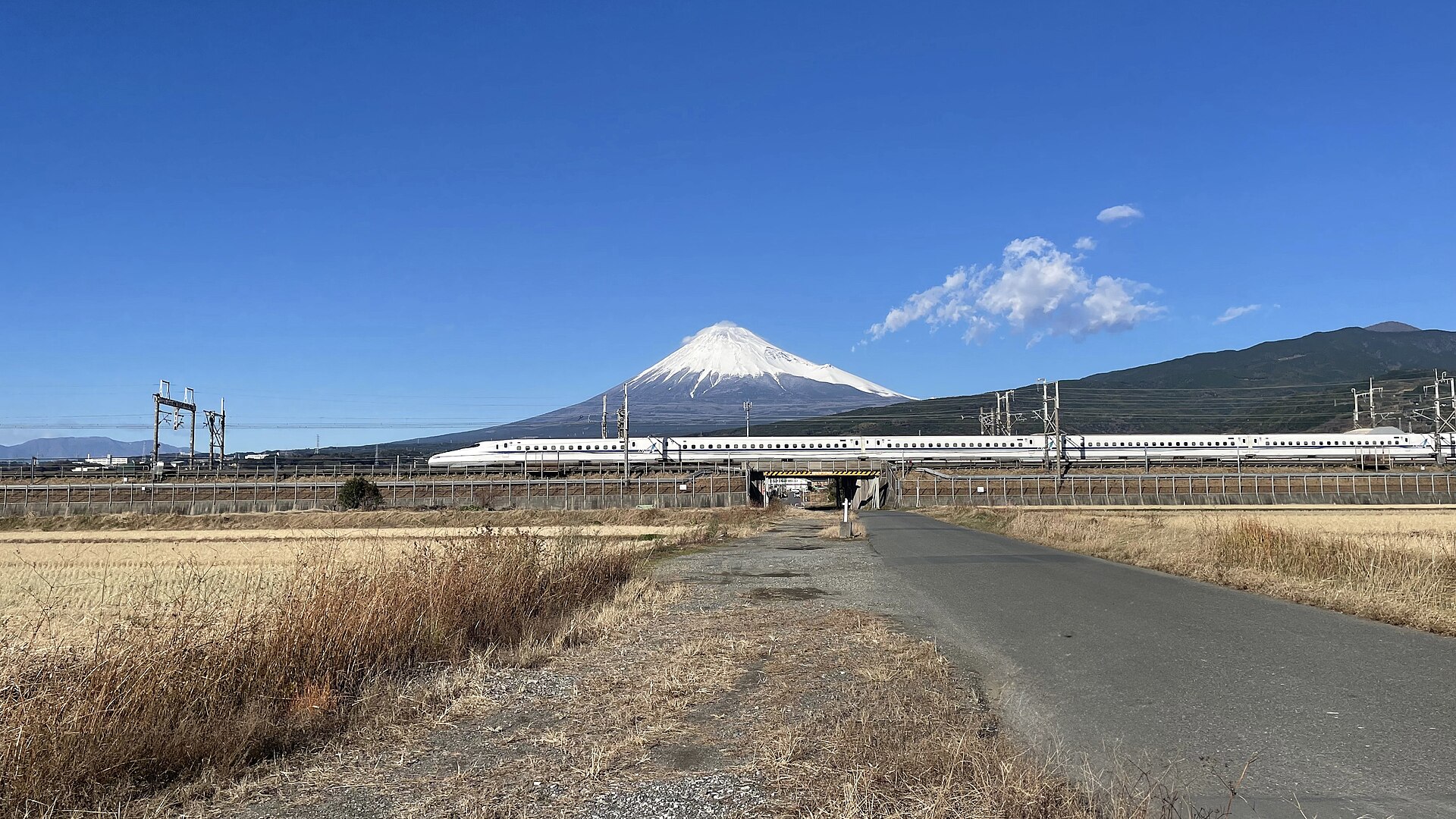

The Japan Rail Pass is the first thing most people buy for a first trip to Japan, usually before the flights are confirmed and almost always before anyone has added up what the trains would have cost without it.
For a standard two week trip, that purchase is a mistake, and not a small one. On the route almost everybody takes, a 14 day pass costs roughly ¥28,000 per person more than paying for each journey as you go.
This is a fourteen day itinerary with the arithmetic in front of you, at 2026 fares and pass prices, and an honest answer about the few trips where the pass genuinely wins.
What the pass costs, and what changes on 1 October 2026
The nationwide pass comes in three lengths and two classes. These are the official prices from the JR Group's own site, and they are moving.
| Pass | Adult, to 30 Sep 2026 | Adult, from 1 Oct 2026 | Child, from 1 Oct 2026 |
|---|---|---|---|
| Ordinary, 7 day | ¥50,000 | ¥53,000 | ¥27,000 |
| Ordinary, 14 day | ¥80,000 | ¥84,000 | ¥42,000 |
| Ordinary, 21 day | ¥100,000 | ¥105,000 | ¥53,000 |
| Green, 7 day | ¥70,000 | ¥74,000 | ¥37,000 |
| Green, 14 day | ¥110,000 | ¥116,000 | ¥58,000 |
| Green, 21 day | ¥140,000 | ¥147,000 | ¥74,000 |
The revision takes effect on 1 October 2026, local time at the place of purchase. It is the first change since October 2023.
One point where sources genuinely disagree. The Japan National Tourism Organization's write-up of the JR Group announcement says buyers on the official Japan Rail Pass website will get pre-October prices for a limited period, details to follow. The official price page shows the same revised table for online and overseas agency purchases, with no carve-out visible. Buying near the changeover, check the official site on the day.
Children aged 6 to 11 pay exactly half, so nothing below changes for a family. It just gets multiplied.
The number you are actually trying to beat
Here is the part almost every "is the JR Pass worth it" article skips: the actual fares.
These are one way, adult, ordinary class fares in the regular season, which is what you would buy if you had no pass at all. Reserved seat charges move by ¥200 either way between quiet and busy periods, and by ¥400 in the very busiest, so treat the reserved column as the middle of a narrow band. Non-reserved fares do not move with the season. Journey times are for the fastest service on the route.
| Journey | Reserved, Nozomi | Non-reserved | Fastest time |
|---|---|---|---|
| Tokyo to Kyoto | ¥14,170 | ¥13,320 | about 2 h 10 |
| Tokyo to Shin-Osaka | ¥14,720 | ¥13,870 | about 2 h 21 |
| Kyoto to Hiroshima | ¥11,940 | ¥10,770 | about 1 h 36 |
| Shin-Osaka to Hiroshima | ¥10,950 | ¥9,890 | about 1 h 21 |
| Tokyo to Hiroshima | ¥19,760 | ¥18,380 | about 3 h 49 |
| Tokyo to Hakata (Fukuoka) | ¥23,810 | ¥22,220 | about 4 h 52 |
| Tokyo to Shin-Hakodate-Hokuto | ¥24,200 | none, Hayabusa is all reserved | about 3 h 57 |
Now put the standard two week route through it: Tokyo, Kyoto, Hiroshima, then back east through Osaka to Tokyo. Four long distance legs:
| Leg | Reserved fare |
|---|---|
| Tokyo to Kyoto | ¥14,170 |
| Kyoto to Hiroshima | ¥11,940 |
| Hiroshima to Shin-Osaka | ¥10,950 |
| Shin-Osaka to Tokyo | ¥14,720 |
| Total | ¥51,780 |
Against a 14 day pass at ¥80,000, that is ¥28,220 of pass you do not use. From 1 October it is ¥32,220. Add both Narita Express transfers and a fortnight of local JR hops and you are still comfortably under ¥60,000.
The 7 day pass does not rescue it either, because those four legs are spread across fourteen days. A 7 day pass covers seven consecutive days from a date you choose. It cannot cover both the Tokyo to Kyoto run early in the trip and the Osaka to Tokyo run near the end.

The Nozomi problem, which costs you money or time
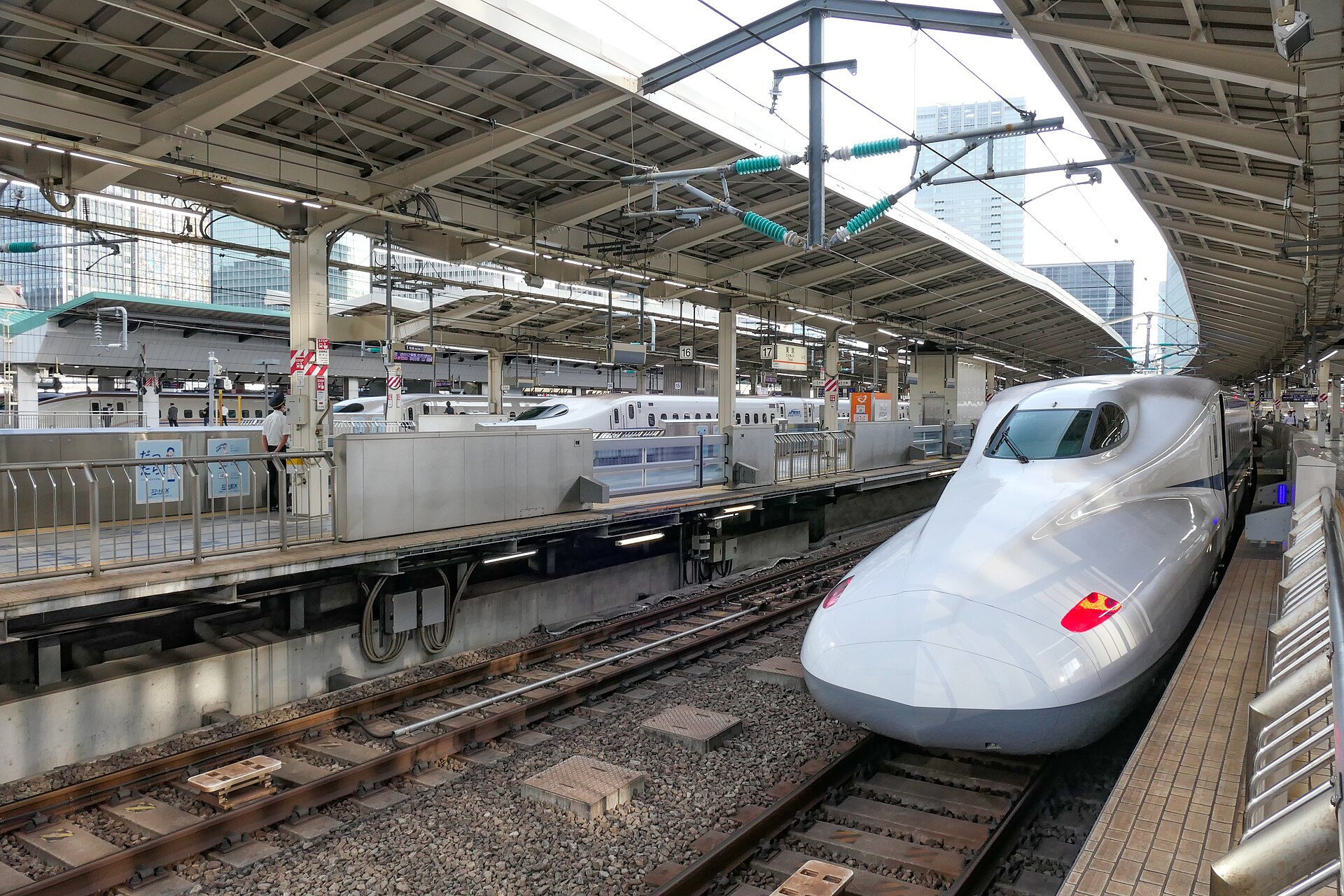
The nationwide pass excludes the Nozomi on the Tokaido and Sanyo Shinkansen and the Mizuho on the Sanyo and Kyushu Shinkansen. Those are the fast services. They are also the frequent ones.
Since October 2023 you can ride them with a pass, by buying a supplementary ticket sold only to pass holders. The official prices:
| Section | Nozomi or Mizuho supplement |
|---|---|
| Tokyo to Nagoya | ¥4,180 |
| Tokyo to Kyoto | ¥4,960 |
| Tokyo to Shin-Osaka | ¥4,960 |
| Tokyo to Hiroshima | ¥6,500 |
| Shin-Osaka to Hakata | ¥4,960 |
| Hakata to Kagoshima-Chuo | ¥5,150 |
The same price applies to a Green Car seat, an ordinary reserved seat and an ordinary non-reserved seat, and you must buy it before boarding, at a reserved seat machine or a ticket office. Not on the train.
Look at what that does to the arithmetic. Tokyo to Kyoto costs ¥14,170 outright. The supplement to make your pass work on the same train is ¥4,960, which is 35 per cent of the full fare, for a ticket you already paid ¥80,000 to hold. Do that on four legs and you have added close to ¥20,000 to the pass.
So in practice a pass holder takes the Hikari, which is included. Not a hardship, but not free either: Tokyo to Kyoto on a Hikari runs about 2 hours 34 to 2 hours 40 against about 2 hours 10 on a Nozomi, and Hikari services are less frequent. West of Shin-Osaka the penalty is much smaller, because the included Sakura and Hikari services on the Sanyo Shinkansen are quick and reasonably frequent.
One period to watch. JR Central runs the Nozomi with every seat reserved during eight designated peak windows across 2026 and early 2027, including 24 April to 6 May, 7 to 16 August, 25 December to 5 January and 20 to 22 March 2027. In those windows there is no non-reserved option on a Nozomi at all.
So when does the pass actually pay off
Three situations, and only three.
You are moving almost every other day, over long distances, inside one week. Tokyo to Kyoto, Kyoto to Hiroshima, Hiroshima back to Tokyo, all inside seven days, comes to ¥45,870. Add airport transfers and a Himeji or Okayama hop and you cross ¥50,000. That is break even, not a win, and it describes a week most people would not enjoy.
You are going north as well as west. Tokyo to Shin-Hakodate-Hokuto and back is ¥48,400 by itself. Put Tokyo to Kyoto to Hiroshima to Tokyo in the same seven days and you are near ¥94,000 of fares against ¥50,000 of pass. The pass wins outright. Whether you want a week like that is a separate question.
You are travelling with someone who cannot manage the ticket machines. Not an economic argument, and still a real one. A pass means one document, no fare calculation, and reserved seats booked at no additional charge at any ticket office or reserved seat machine. If that removes a genuine source of stress, paying a premium is a legitimate decision. Just make it knowingly.
What almost never pays off is the 14 day pass. Nobody sustains that pace for two consecutive weeks. If you genuinely do, note that two 7 day passes cost ¥100,000 against ¥80,000 for one 14 day, so the longer pass wins in that narrow case. Almost nobody is in it.
The better strategy: buy one week, pay cash for the other
Buy a single 7 day pass and time it to your densest week.
The pass is exchanged in Japan and you choose the start date then. An Exchange Order bought overseas must be turned in within three months of the date it was issued, and you can exchange from one month before your intended start date. Buy online from the official site and you can also book reserved seats before you collect it.
On the plan below, the busy stretch is days eight to fourteen. Days one to seven are Tokyo and one day trip, where a nationwide pass buys almost nothing, because Tokyo's subway is not JR.
Run the numbers on that split and the honest answer is usually that no pass is needed at all. Settle that in your own head before you visit any seller website, because every JR Pass reseller has an incentive for you to reach the opposite conclusion.
The fourteen day itinerary
Two bases and two short stays, arranged so that the long travel days sit next to each other rather than being sprinkled through the fortnight.
Days 1 to 4: Tokyo
Fly into Haneda or Narita. The Narita Express is a JR East service, so a pass covers it, but you will not have a pass on day one under the strategy above. Buy a ticket.
Four nights is the minimum that lets jet lag happen somewhere other than the middle of your best day. Tokyo is a dozen loosely connected destinations, and the first-timer mistake is crossing it repeatedly. Group each day into one part of the city.
Almost nothing you do here is JR. The subway is Tokyo Metro and Toei, the private lines run to the suburbs, and the JR Yamanote Line is useful but cheap. Tap an IC card.
Day 5: Hakone, or Nikko
Neither is a JR argument. Hakone runs on Odakyu, and the Hakone Freepass from Shinjuku is ¥7,100 for two days or ¥7,500 for three, covering the Odakyu round trip plus the mountain railway, cable car, ropeway, lake boats and buses. No JR pass replaces it, and its value case is far clearer than the national pass. Nikko is reachable by JR or by Tobu, and Tobu is usually the more direct route.
Days 6 and 7: Tokyo, loose
Two unstructured days. This is where the food, the neighbourhoods and the things you heard about after arriving go, and it is the buffer that absorbs a typhoon day or a day when nobody can face another train.
Day 8: Tokyo to Kyoto
If you are buying a 7 day pass, start it today. Two and a half hours on a Hikari, or a little over two on a Nozomi. Go in the morning and you get an afternoon in Kyoto rather than an evening in a hotel lobby.
Days 8 to 11: Kyoto, with Nara
Kyoto rewards early starts and punishes a temple-per-hour schedule. Four nights, with one day given to Nara, is the shape that works. Nara is about 35 minutes from Kyoto by Kintetsu limited express or about 45 by JR rapid, and the Kintetsu is not a JR line.
Day 12: Kyoto to Hiroshima, via Himeji
Himeji Castle sits directly on the Sanyo Shinkansen and is the obvious stop between Kansai and Hiroshima. One change since 1 March 2026 makes it a decision rather than an automatic yes: the city introduced dual pricing. Adults aged 18 and over who do not live in Himeji pay ¥2,500, Himeji residents pay ¥1,000, and everyone under 18 now gets in free regardless of residency. A combined ticket with the Koko-en garden is ¥2,600.
It is the finest surviving castle in Japan and it is now two and a half times what it cost most visitors a year ago. Decide deliberately.
Days 12 and 13: Hiroshima and Miyajima
The Peace Memorial Museum charges ¥200 for adults and ¥100 for high school students, with junior high and younger free. It opens at 7:30 and closes at 19:00 from March to November, 20:00 in August and 18:00 in winter, last entry half an hour before. Going at opening is the best scheduling decision in the city.
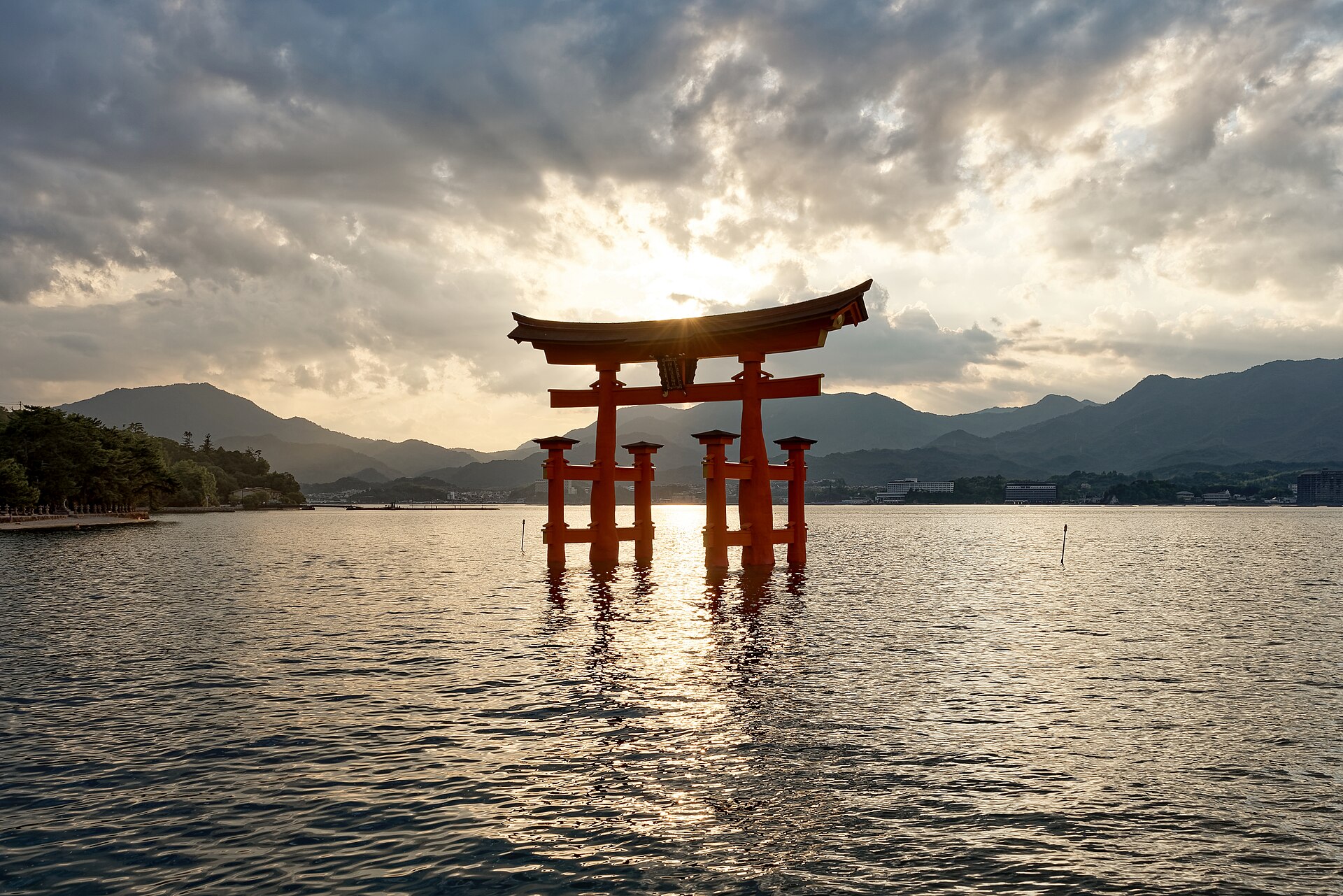
Miyajima is a short train ride plus a ferry, and the JR West Miyajima Ferry is one of the few non-rail services a nationwide pass covers. The island's separate ¥100 visitor tax is not covered by any pass.

Day 14: Hiroshima to Osaka, and out
Shin-Osaka is about 1 hour 21 from Hiroshima on a Nozomi. Fly home from Kansai rather than doubling back to Tokyo.
That last sentence is worth more than everything else on this page.
Fly into one airport and out of another
An open jaw booking, into Tokyo and out of Osaka, deletes the longest journey in the itinerary: the ¥14,720 run back to Tokyo, plus the airport transfer at the far end, plus most of a day.
It also makes the pass case worse, which is the point. Remove the return leg and the Golden Route drops from ¥51,780 to about ¥37,000 of long distance rail across a fortnight, which is less than a 7 day pass costs. Most airlines price a Tokyo in, Osaka out routing at or near a straight return. Ask before assuming otherwise.
Regional passes that beat the national one
If you want the convenience of a pass without the price of the national one, the regional passes are where the value actually sits. Two are directly useful on this itinerary, both from JR West:
| Pass | Adult price | Days | Broadly covers |
|---|---|---|---|
| Kansai-Hiroshima Area Pass | ¥17,000 | 5 consecutive | Sanyo Shinkansen between Shin-Osaka and Hiroshima, JR West conventional lines, Haruka and other limited expresses, the Miyajima ferry |
| Sanyo-San'in Area Pass | ¥23,000 | 7 consecutive | The same plus Sanyo Shinkansen west to Hakata and the San'in coast |
The Kansai-Hiroshima pass at ¥17,000 covers exactly the second half of this trip. Kyoto to Hiroshima and Hiroshima to Shin-Osaka alone come to ¥22,890 at full fare, so it pays for itself on two journeys. The national pass cannot say that about any pair of journeys anywhere.
One detail on the Sanyo-San'in pass is worth flagging, because it is a real advantage. JR West's own page lists reserved seats on the Sanyo Shinkansen between Shin-Osaka and Hakata as valid, and its "trains below cannot be used" list names only the Tokaido and Kyushu Shinkansen. It does not carve out the Nozomi and Mizuho by name, unlike the nationwide pass, which excludes them explicitly. Confirm at the counter when you collect it.
Two fare changes from March 2026 that affect the maths
JR East revised its fares on 14 March 2026. This does not touch the Tokaido Shinkansen, which is JR Central and did not raise fares, but it does touch Tohoku and Hokkaido Shinkansen journeys, the Narita Express and every JR local ride in Tokyo. The Tokyo to Narita Airport base fare, for instance, is now ¥1,410.
The JR group stopped selling round trip and consecutive tickets on 13 March 2026, and with them the round trip discount that took 10 per cent off each direction on journeys over 601 km each way. That discount used to shave a few thousand yen off exactly the long return journeys people cite to justify a pass. Losing it nudges the maths very slightly towards the pass, nowhere near enough to change the conclusion.
One post-revision figure I could not pin down cleanly: Tokyo to Kanazawa on the Hokuriku Shinkansen. Reputable Japanese fare references give ¥14,600 and ¥14,670 for an ordinary reserved seat, and no official JR page I could reach settles it. If your plan hinges on that leg, price it at the machine.
What two weeks costs, roughly
Per person, excluding flights and accommodation, at the fares verified above.
| Line item | Fourteen days | Notes |
|---|---|---|
| Long distance rail, no pass | ¥37,000 to ¥52,000 | Lower if you fly out of Kansai, higher if you return to Tokyo |
| Local transport | ¥8,000 to ¥14,000 | Tokyo subway, Kyoto buses, Kansai locals, paid by IC card |
| Hakone Freepass | ¥7,100 | Two day version from Shinjuku, if you go |
| Admissions | ¥8,000 to ¥15,000 | Himeji at ¥2,500 is now the single largest line in this row |
| Airport transfers | ¥3,000 to ¥6,000 | Narita Express in, Haruka or the Nankai out |
Food and accommodation are the variables no table can usefully guess at, because Japan spans ¥500 standing noodles and ¥50,000 kaiseki within the same three streets.
One change worth knowing if you are budgeting for shopping: from 1 November 2026 Japan replaces tax free purchasing at the till with a refund claimed at departure. You pay the tax in the shop and reclaim it at customs on the way out. Plan for the cash flow, not just the discount.
Key Takeaways
| Point | Details |
|---|---|
| The standard two week route does not justify a pass | Four long legs total ¥51,780 against ¥80,000 for a 14 day pass, a gap of ¥28,220 per person |
| Pass prices rise on 1 October 2026 | Ordinary 7 day goes ¥50,000 to ¥53,000, 14 day ¥80,000 to ¥84,000, 21 day ¥100,000 to ¥105,000 |
| Even the longest return trips fall short | Tokyo to Hakata and back is ¥47,620; Tokyo to Shin-Hakodate-Hokuto and back is ¥48,400. Both under a 7 day pass |
| The pass excludes the fastest trains | No Nozomi or Mizuho without a supplement of ¥4,960 Tokyo to Kyoto, ¥6,500 Tokyo to Hiroshima |
| Buy one week, not two | A single 7 day pass timed to the Kansai to Hiroshima stretch beats a 14 day pass on almost every real itinerary |
| Regional passes are where the value is | The Kansai-Hiroshima Area Pass is ¥17,000 for 5 days and pays for itself on two journeys |
| Open jaw flights change everything | Flying out of Kansai deletes the ¥14,720 return leg and most of a day |
| Himeji introduced dual pricing on 1 March 2026 | ¥2,500 for non-resident adults, ¥1,000 for Himeji residents, free for everyone under 18 |
Where this itinerary tends to break
The pass gets bought before the itinerary exists. This is the actual failure, and it happens months before departure. Somebody sees a two week trip, buys a 14 day pass, then builds a plan that tries to justify it by adding journeys nobody wanted. Decide the route first, price it second, buy a pass third or not at all.
Four nights in Tokyo turns into six. Tokyo absorbs time, and the days that get cut are always at the western end, which is where the pass value would have been. If Tokyo expands, the pass case collapses further.
Peak periods are worse than the crowd warnings suggest. In JR Central's designated peak windows the Nozomi runs with every seat reserved, so there is no walk-up option at all. Golden Week, mid August and the New Year period are the ones that catch two week trips.
The middle weekend is where the plan slips. Days six and seven are deliberately loose for that reason. An itinerary with no slack finds its slack by deleting Hiroshima.
It assumes you want to move. Some people would rather have ten days in Kyoto and four in Tokyo. That is a reasonable trip, and it makes every pass on this page a waste of money. Nothing here argues that you should travel further.
How Planytera handles a trip like this
Planytera is an AI trip planner built by a solo developer, available on iOS, Android and the web. You describe the trip you want and it builds a day-by-day itinerary, ready in moments. Four things it does map onto the problems above.
The route settles before the tickets do. The failure mode here is buying transport before the plan exists. A full fourteen day draft in front of you first means you are pricing a real route rather than guessing at one.
Changing one thing keeps the rest in sync. Move the Kyoto to Hiroshima leg by a day, cut Himeji because the price rose, add a night in Tokyo, and the surrounding days re-flow rather than breaking.
Pacing is a setting. The dense stretch and the loose one in this plan are a deliberate rhythm. Ask for slower days and the itinerary re-paces rather than deleting stops at random.
Offline access covers the travel days. Save a trip and the itinerary, maps and notes stay available without a signal. Shinkansen platforms and the Miyajima ferry are both places where a plan living in a browser tab is a plan you do not have.
It also checks visa and e-visa requirements once you set your passport, which matters here because the nationwide rail pass is only sold to visitors entering Japan on Temporary Visitor status.
Frequently asked questions
Is the Japan Rail Pass worth it for two weeks?
Usually not. The standard Tokyo to Kyoto to Hiroshima and back route costs about ¥51,780 in reserved Nozomi fares, against ¥80,000 for a 14 day pass, rising to ¥84,000 on 1 October 2026. The pass only wins if you are covering long distances every other day for a fortnight, which very few people actually do.
How much is the Japan Rail Pass in 2026?
Until 30 September 2026 the adult ordinary pass is ¥50,000 for 7 days, ¥80,000 for 14 days and ¥100,000 for 21 days. From 1 October those become ¥53,000, ¥84,000 and ¥105,000. Green Car passes go from ¥70,000, ¥110,000 and ¥140,000 to ¥74,000, ¥116,000 and ¥147,000. Children aged 6 to 11 pay half.
Can I use the Japan Rail Pass on the Nozomi?
Only by buying a supplementary ticket sold exclusively to pass holders, before boarding, at a ticket office or reserved seat machine. It is ¥4,960 between Tokyo and Kyoto or Shin-Osaka, ¥4,180 to Nagoya and ¥6,500 to Hiroshima, at the same price for Green Car, reserved and non-reserved seats. Hikari, Sakura and Kodama services are included with no supplement.
Should I buy a 7 day pass or a 14 day pass?
A 7 day pass, timed to your densest stretch, beats a 14 day pass on almost every realistic two week itinerary, because the fortnight contains one busy travel week and one that is mostly walking around a city. Two 7 day passes cost ¥100,000 against ¥80,000 for a 14 day, so the long pass only makes sense if both weeks are genuinely dense.
What is the best alternative to the Japan Rail Pass?
For a Kansai and Hiroshima trip, the JR West Kansai-Hiroshima Area Pass at ¥17,000 for five consecutive days. It covers the Sanyo Shinkansen between Shin-Osaka and Hiroshima, JR West conventional lines and the Miyajima ferry, and two journeys pay for it. The Sanyo-San'in Area Pass extends the same idea west to Hakata for ¥23,000 over seven days.
Do I need a rail pass to visit Hakone?
No, and no JR pass helps much there. Hakone runs on Odakyu, and the Hakone Freepass from Shinjuku is ¥7,100 for two days or ¥7,500 for three, covering the round trip from Tokyo plus the mountain railway, cable car, ropeway, lake boats and buses.
Useful sources and further reading
- JAPAN RAIL PASS types and prices, the official JR Group price table including the 1 October 2026 revision.
- Price increases are coming to the nationwide Japan Rail Pass, JNTO's write-up of the JR Group announcement.
- Use of NOZOMI and MIZUHO trains, the official supplementary fare table.
- JAPAN RAIL PASS conditions for use, Temporary Visitor eligibility, what is covered, and the Miyajima ferry and visitor tax.
- Booking a reserved seat, confirming there is no additional charge for reservations.
- Purchase at a travel agency overseas, the three month Exchange Order rule.
- JR Central peak period Nozomi information, the 2026 and 2027 all-reserved windows.
- JR West Kansai-Hiroshima Area Pass and Sanyo-San'in Area Pass, official prices and coverage.
- smartEX official fare tables, JR Central and JR West's published Tokaido and Sanyo Shinkansen prices, used to cross-check every fare above.
- JR East fare revision FAQ, confirming the 14 March 2026 date.
- JASSO notice on the end of round trip tickets, the withdrawal of round trip and consecutive tickets from 13 March 2026.
- Himeji Castle admission fee revision, the dual pricing effective 1 March 2026.
- Hiroshima Peace Memorial Museum, admission and opening hours.
- Hakone Freepass, Odakyu's official prices and coverage.
- Changes to Japan's tax-free shopping, JNTO on the departure refund system from 1 November 2026.
Recommended
More from the Planytera blog.