Blog14 min read
10 Days in Portugal: A Lisbon, Sintra and Porto Itinerary
A ten day Portugal plan that picks one region instead of three, with 2026 fares, what actually needs booking, and the ticket traps that cost people money.
By Dom
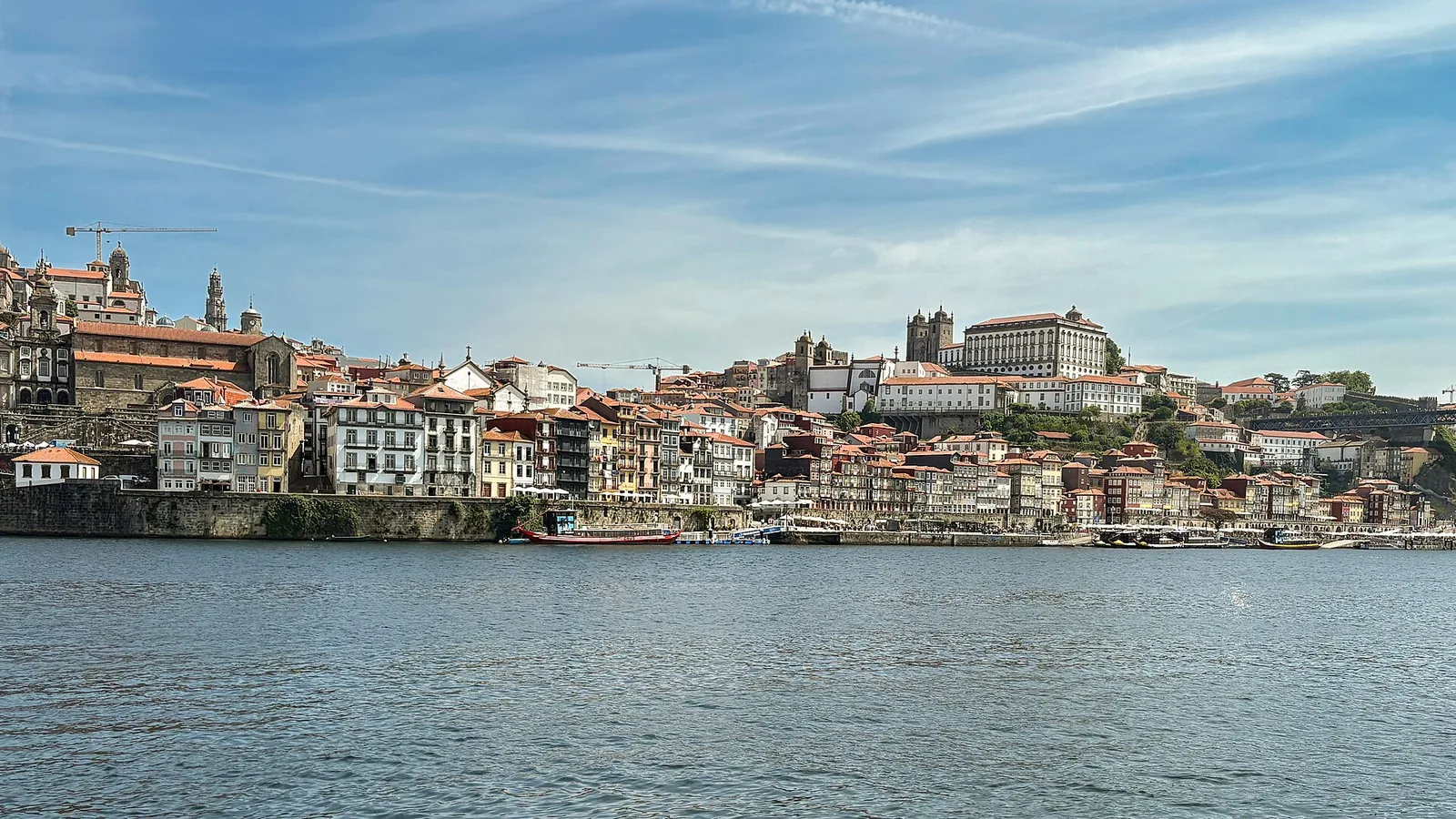

The mistake almost every ten day Portugal plan makes is trying to fit both the Algarve and the Douro Valley around Lisbon and Porto. They sit at opposite ends of the country. Porto to Faro is about 576 km, roughly five and a half hours of driving or five hours forty by train, and doing both means spending a full day of a ten day trip going backwards.
Pick one. Lisbon and Porto are the fixed points, Sintra is a day trip from Lisbon rather than a stop, and the tenth day belongs to whichever contrast region you choose. That single decision makes the rest of the trip work.
The shape of the trip
| Segment | Days | Notes |
|---|---|---|
| Lisbon | 3 | Including using it as a base |
| Sintra | 1 | A full day trip, not a half day, and not an overnight |
| Porto | 3 | Two if you are pushing to fit more in |
| One contrast region | 3 | The Algarve for coast, the Douro for wine and river |
Choose the Douro if you are already going to Porto, because it is a short hop up the valley rather than the length of the country. The train from Porto to Pinhão takes about two hours fifteen and the last stretch runs right alongside the river.
Choose the Algarve if you want beaches and are travelling in summer, accepting that August is its most crowded and most expensive month by a wide margin. Lisbon to Faro is about three hours by Alfa Pendular, so it fits better with Lisbon than with Porto.
Getting between cities
Take the train between Lisbon and Porto. Alfa Pendular, CP's tilting express, does it in about two hours forty-five, roughly hourly. Intercidades is the slower and cheaper option at about three hours eleven. Driving is around 313 km and about three hours before you deal with parking at either end, plus roughly €22 to €25 in tolls on the A1. The train wins outright on this corridor.
Book five to seven days ahead. CP uses advance-purchase pricing. Tickets open sixty days before departure and stay on sale until fifteen minutes before it. Promotional fares on the Lisbon to Porto Intercidades start from about €10.50, and Lisbon to Faro on the Alfa Pendular from about €9.00. Turn up on the day and you pay several times that.
Flying between Lisbon and Porto exists and is not worth it. The block time is about fifty minutes, which door to door works out the same or worse than the train once you add airports and security.
You do not want a rental car for Lisbon or Porto. Both have narrow one-way historic cores, scarce and expensive parking, and low emission zones that restrict older vehicles from the centre. Rent at the point you leave the cities, if at all. In the Algarve a car is useful but not essential, since the Linha do Algarve railway and regional buses connect the coastal towns, thinning out only for remote beaches.
One thing that catches drivers out: Portugal has electronic-only toll motorways with no booths at all. Rental cars are normally fitted with a transponder or auto-enrolled, and the company bills you afterwards, often with an admin fee. Worth confirming at pickup rather than discovering later.
Getting around Lisbon and Porto
Lisbon's transport card is now called Navegante. The old Viva Viagem branding has been folded into it. The card itself costs €0.50 and lasts a year.
How you pay makes a large difference:
| Method | Cost | Notes |
|---|---|---|
| Zapping (pay as you go on a Navegante card) | €1.72 per journey | Free transfers for one hour. The cheapest option. |
| Single prepaid ticket on the card | €1.90 | Valid one hour network-wide |
| Contactless bank card tapped directly | about €1.92 | Convenient, marginally pricier |
| Bought on board from the driver | bus €2.30, tram €3.30 | Single mode, no transfers |
| Funicular or Santa Justa lift on board | €4.30 and €6.20 | This is where people accidentally overpay |
Buy a Navegante card at any metro station, load zapping, and stop thinking about it. Paying the driver on a tram costs nearly double and gets you no transfer.
Twenty-four hour passes run €7.25 for Carris and Metro, €10.35 with the ferry to Cacilhas, and €11.40 including CP suburban rail, which is the one that covers the Sintra train.
Lisbon airport connects straight to the Metro red line, about sixteen minutes to Saldanha. Porto airport runs on Metro line E every twenty to thirty minutes, noticeably less frequent than Lisbon's. Porto's card is Andante: €0.60 for the paper version, €6.00 for the plastic one, with an Andante Tour pass at about €7.00 for a day and €15.00 for three days.
Uber and Bolt both operate in Lisbon, Porto, Faro and most sizeable Portuguese towns.
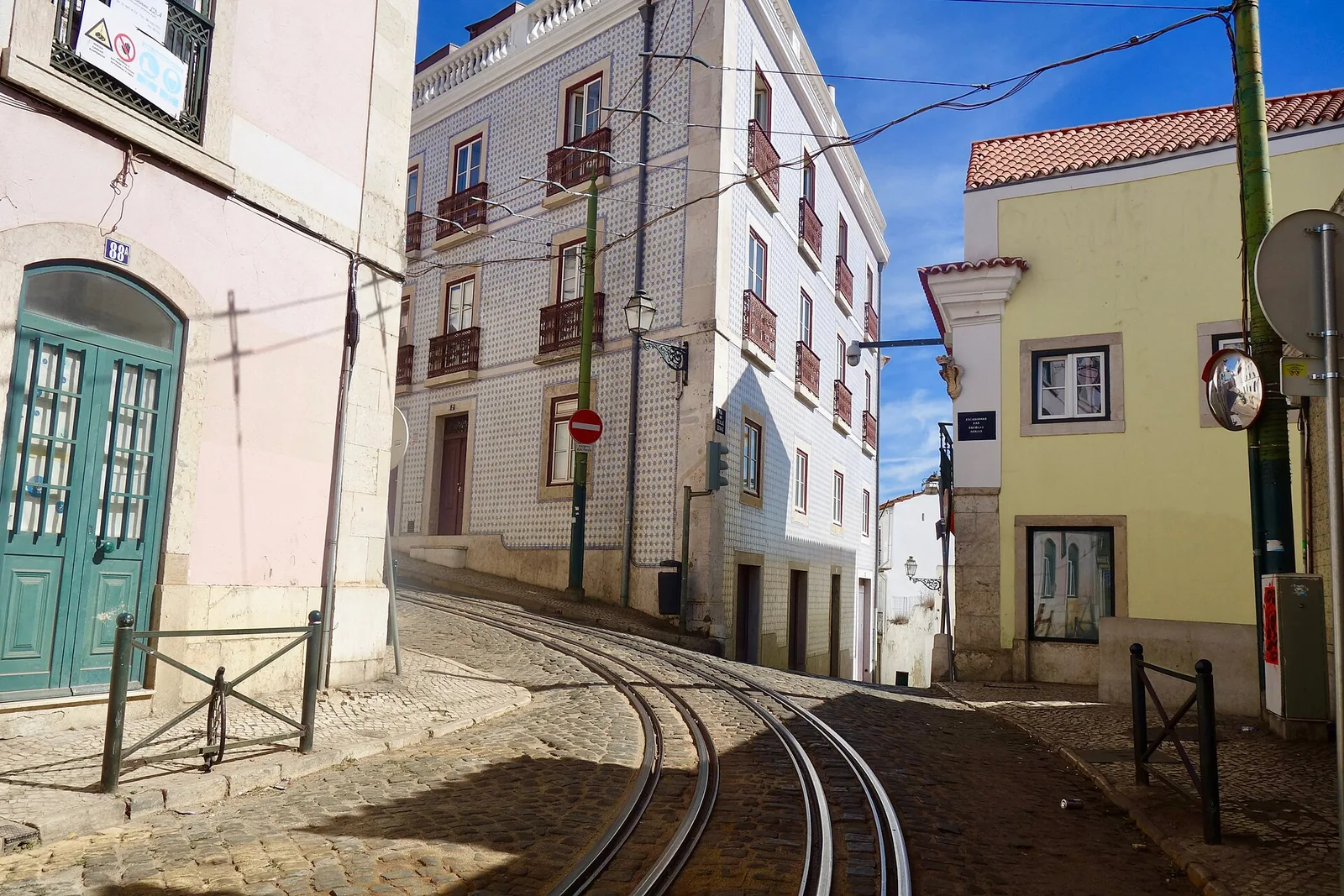

On tram 28: it runs Martim Moniz through Graça and the cathedral down to Estrela and Campo de Ourique, and it is genuinely one of the city's best rides. It is also packed from mid-morning. Tram 12 is a shorter circular route covering the Alfama climb without the rest, and it is usually emptier.
You will read everywhere that tram 28 is a pickpocket hotspot. Worth being straight about this: no official source, not Carris, not the Lisbon tourist board, not the UK government's travel advice, names tram 28 specifically. The official guidance is the generic one about crowded tourist areas. Treat it as a crowded tram rather than a uniquely dangerous one, and keep your bag in front of you as you would anywhere.
The ten days
Days 1 to 3: Lisbon
Lisbon is hills, viewpoints and tile. Alfama is the oldest quarter and the one that survived the 1755 earthquake, so its street plan is medieval rather than the grid the Baixa was rebuilt on. Belém is the monument district and sits a tram ride west.
Give Belém most of a day. Jerónimos Monastery is €18, closed Mondays, with last entry at 17:00 and the ticket office shutting at 16:30.
A genuine warning about Belém Tower: its status is currently unclear. The monument operator's own site carries a notice that it is temporarily closed to the public, while the Lisbon tourism board's page shows normal opening hours. Those two official sources contradict each other. Check on the day rather than planning around it.
Evenings are for fado. The music is at its best in small rooms in Alfama and Bairro Alto, most of which take bookings and some of which apply a minimum spend. Ask when you reserve.
Day 4: Sintra
Sintra earns a full day and rewards an early start. Trains leave Lisbon's Rossio station roughly every fifteen to thirty minutes, take about forty minutes and cost around €2.40. Catch one of the first departures, around 07:30 to 08:00, and you reach Pena Palace before the crowd builds around 09:30.
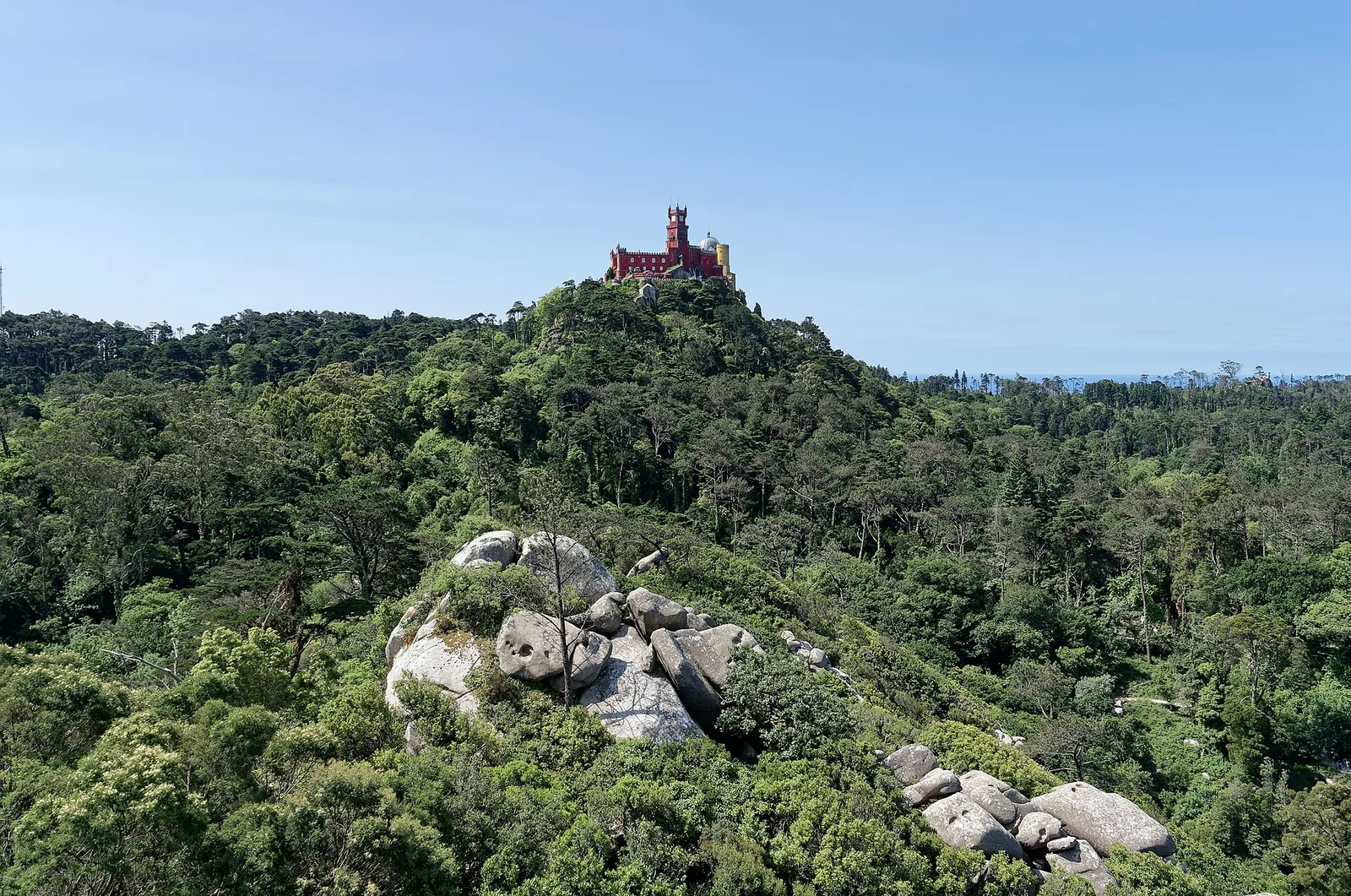

Bus 434 is the one-way circuit connecting the station, the Moorish castle, Pena and the old town. It saves a steep walk.
Days 5 to 7: Porto
Take a morning train north and you have most of the day. Porto is smaller and steeper than Lisbon and easier to cover on foot, with the caveat that the foot in question does a lot of climbing.
Ribeira is the riverfront, the port lodges are across the Douro in Vila Nova de Gaia, and the two are connected by the Dom Luís I bridge, which you can walk on both levels. Torre dos Clérigos is €10 for general admission, €7 with a student card, timed entry, last entry thirty minutes before closing.
Livraria Lello, the bookshop, charges for timed entry with a voucher that comes off the price of any book you buy inside. The voucher stays valid up to sixty minutes after your slot.
Days 8 to 10: The Douro, or the Algarve
The Douro. The train from Porto to Pinhão takes about two hours fifteen, and the final stretch along the river is the reason to take the train rather than drive. Quinta visits and tastings generally want booking ahead, and the bigger port houses in Gaia do too. Taylor's, for instance, requires pre-booking for its tours.
The Algarve. Lisbon to Faro is about three hours on the Alfa Pendular with roughly five departures a day, or three and a half on the Intercidades. Fares start around €9 booked ahead. From Faro the regional railway and Vamus buses cover the main towns. In August, expect the busiest and priciest conditions of the year, and inland temperatures several degrees above the coast.
What to book before you go
Portugal is mostly turn-up-and-go. These are the exceptions.
Pena Palace requires a timed-entry reservation. It is mandatory, not advisory. Adult admission is €20 for the Essential Visit, €18 for youths and seniors, €65 for a family of two adults and two youths. A Full Tour tier runs €45. Buying online lets you walk past the box office queue entirely. Parques de Sintra does not publish how far ahead tickets are released, but if you buy with a date reservation you can reschedule free of charge within 365 days, which makes booking early genuinely low risk.
Quinta da Regaleira is a separate ticket from a separate organisation. It is run by Fundação CulturSintra and is not part of Parques de Sintra, so a Pena ticket does nothing here. Adult entry is €20 in fixed thirty minute slots, with new prices in force since January 2026.
The Lisboa Card can pay off, and the Porto one is not available. The Lisboa Card runs €31 for 24 hours, €51 for 48 and €62 for 72, valid on the 2026 to 2027 pricing. It covers around fifty museums and monuments including Jerónimos and São Jorge Castle, unlimited city transport, and the CP train to Sintra. It pays for itself quickly if you are doing Belém properly. The Porto Card has been suspended since the beginning of July 2026 while the city restructures it, with no announced relaunch, so do not plan around one.
Fado houses and Douro quintas both generally want a reservation, and neither publishes a consistent policy. Book when you know your dates.
What ten days actually costs
Portugal is one of Western Europe's better value destinations, with the caveat that August is its worst month for value.
| What | Realistic cost |
|---|---|
| Pastel de nata | €1.00 to €1.50 |
| Bica (espresso) at an ordinary café | €0.70 to €1.20 |
| Menu do dia at a tasca | €8 to €12 |
| Bottle of wine in a restaurant | €10 to €30 |
| Lisbon to Porto by train, booked ahead | from about €10.50 |
| Lisbon tourist tax | €4 per person per night, capped at 7 nights, age 13 and over |
| Porto tourist tax | €3 per person per night, same cap |
Two customs worth understanding.
The couvert is optional. The bread, olives and cheese that arrive unasked are a real Portuguese custom and are perfectly legal to charge for, but you can decline them, and if you do not touch them you cannot be billed. Typical cost is €1 to €3.50 per person. Say "não, obrigado" when it lands and it goes back.
Tipping is not obligatory. Rounding up, or five to ten percent for good service in a sit-down restaurant, is the norm. Nobody is relying on it.
Eat lunch as the main meal. The menu do dia is a starter or soup, a main, a drink and coffee for the price of a main alone in the evening. Dinner service runs late, roughly 19:30 to 23:00, and Portuguese diners are mostly sitting down around 21:00.
Key Takeaways
| Point | Details |
|---|---|
| Pick one contrast region, not two | The Algarve and the Douro sit at opposite ends of the country. Doing both costs a full day of a ten day trip in backtracking. |
| The train beats driving between Lisbon and Porto | About 2h45 on the Alfa Pendular versus 3 hours plus parking and €22 to €25 in tolls. |
| Book CP tickets 5 to 7 days ahead | Advance fares from about €10.50 Lisbon to Porto. Sales open 60 days out. |
| Use zapping, not the driver | €1.72 per journey with free transfers, against €3.30 for a tram ticket bought on board. |
| Pena Palace timed entry is mandatory | €20 adult, and you can reschedule free within 365 days, so booking early costs nothing. |
| Quinta da Regaleira is a different organisation | Separate €20 ticket, separate site. A Parques de Sintra ticket does not cover it. |
| The Porto Card is suspended | Paused since early July 2026 with no relaunch date. The Lisboa Card is unaffected. |
| Belém Tower's status is contradictory | The operator says temporarily closed, the tourism board shows normal hours. Check on the day. |
| The couvert can be refused | Untouched, it cannot be charged. |
Where this plan breaks
August is the wrong month for the Algarve, and this plan cannot fix that. It is Portugal's peak domestic holiday period on top of the international one. If your dates are fixed in August and you want coast, expect the busiest and most expensive version of it. The Douro is the better August choice for that reason alone.
Porto is cooler than people plan for. Lisbon runs about 27 to 28°C in August and the Algarve about 29 on the coast, with inland spots reaching the low to mid thirties. Porto sits around 25 to 27 with Atlantic influence, and the evenings are properly cool. Packing for one city leaves you wrong in the other.
Three days in Lisbon disappears faster than it reads. Belém alone is most of a day. Add a viewpoint afternoon, an evening of fado, and the day you lose to arriving, and three days is one unhurried pass at the centre rather than a thorough visit.
Sintra punishes a late start more than anywhere else on this itinerary. The difference between the 07:30 train and the 10:00 train is the difference between walking into Pena and queueing for it, and no amount of pre-booking fixes the crowd on the paths.
The dinner clock is later than most visitors' body clocks. Kitchens fill around 21:00. If you turn up hungry at 18:30 you will find the good places shut and end up somewhere that caters to exactly that mistake.
How Planytera handles a trip like this
Planytera is an AI trip planner built by a solo developer, available on iOS, Android and the web. You describe the trip and it produces a day-by-day itinerary, ready in moments. For a multi-city trip like this one, three things do real work.
Multi-stop pacing. A ten day trip across three bases is exactly the shape that goes wrong by hand, because the travel days quietly eat the sightseeing days. Setting the pace once and letting the plan distribute around it beats rebuilding a spreadsheet every time you move a night.
Dietary handling set once. Portuguese cooking leans hard on pork and seafood, to the point that a vegetable soup can arrive containing chouriço. Setting vegetarian, vegan, gluten-free or halal at the trip level means the plan is built around it rather than you interrogating every menu. Lisbon has a real vegan scene and halal restaurants cluster around Mouraria, Martim Moniz and Arroios, so the options exist once you know where to look.
Shared plans and split costs. Portugal is a common group trip, and the group version of this itinerary involves several people paying for different things across ten days. Share a read-only link or invite people to vote on activities, and let split costs track who owes who. It does the arithmetic and never touches anyone's money.
Frequently asked questions
Is ten days enough for Portugal?
For Lisbon, Sintra, Porto and one more region, comfortably. For Lisbon, Porto, the Algarve and the Douro, no. Those last two sit at opposite ends of the country and combining them costs a full day in transit that the rest of the trip cannot spare.
Should I take the train or drive between Lisbon and Porto?
Train. The Alfa Pendular takes about two hours forty-five and runs roughly hourly. Driving is around three hours before parking, and adds €22 to €25 in tolls on the A1. A car is a liability in both cities anyway, given the low emission zones and the parking.
How far in advance should I book Portuguese trains?
Five to seven days ahead for the best advance fares. CP opens sales sixty days before departure and keeps them open until fifteen minutes before. Promotional fares start around €10.50 for Lisbon to Porto, and considerably more if you buy on the day.
Do I need to book Pena Palace in advance?
Yes. A timed-entry reservation is mandatory rather than recommended, and buying online also skips the box office queue. Adult entry is €20. If your plans move you can reschedule free of charge within 365 days, so there is no real downside to booking as soon as your dates are firm.
Is the Lisboa Card worth it?
If you are doing Belém and the central monuments properly, usually yes. It runs €31 for 24 hours, €51 for 48 and €62 for 72, and covers around fifty museums and monuments plus unlimited city transport and the train to Sintra. Note that the equivalent Porto Card has been suspended since July 2026, so the same logic does not apply in the north.
Do I have to pay for the bread they bring to the table?
Only if you eat it. The couvert is a genuine Portuguese custom and it is legal to charge for, but it is optional. If you decline it when it arrives, or leave it untouched, it should not appear on the bill. It usually runs €1 to €3.50 per person.
Useful sources and further reading
- Comboios de Portugal for train times, advance fares and booking.
- Carris for official Lisbon fares, including the zapping rate.
- Metro do Porto and the Andante card system.
- Parques de Sintra for Pena Palace timed entry and rescheduling rules.
- Quinta da Regaleira which ticket separately from the Parques de Sintra sites.
- Visit Lisboa for the Lisboa Card and monument hours.
- Museus e Monumentos de Portugal the monument operator, for Jerónimos and Belém Tower status.
- Instituto dos Vinhos do Douro e do Porto for the Douro wine route and quinta directory.
Recommended
More from the Planytera blog.