Blog18 min read
4 Day Mexico City Itinerary: Altitude and Closing Days
A four day Mexico City plan built on what the altitude really does, where to base yourself, and why Monday closes far more than Sunday does.
By Dom

Two things get said about Mexico City more than anything else. The altitude will flatten you, and Sunday is the day everything shuts.
Both are wrong, and people rearrange whole trips around them. The altitude is real, but it is not the altitude you were warned about. And the day that empties this city of the things you came to see is Monday. Sunday has a different problem, and a more interesting one.
This is a four day plan built on those two corrections, plus a third: in a city this size, where you sleep decides how much of the holiday you spend getting places.
The altitude, with the actual numbers
Mexico City sits at an average of 2,240 metres above sea level. High enough to be worth knowing, low enough that most of the advice written about it has been borrowed from somewhere else.
The CDC Yellow Book's 2026 altitude chapter draws the line plainly: "Any unacclimatized traveler proceeding to a sleeping altitude of ≥2,450 m (≥8,000 ft) and sometimes lower is at risk for altitude illness." Mexico City is 210 metres below that line.
Its risk table is more specific still. The low risk row covers a traveller with no history of altitude illness sleeping below 2,750 m on the first night, and for that row the recommendation is unambiguous: "Acetazolamide prophylaxis is not indicated." Cusco, at 3,399 m, is not in that row, which is why a Peru itinerary has to be built around acclimatisation and this one does not.
So do not take pills you were not prescribed, and do not write off day one on principle. What still applies is the general first-48-hours advice, which people skip because it is boring. The CDC says to "avoid alcohol for the first 48 hours at high altitude" and to "participate in only mild exercise for the first 48 hours at altitude." That is the whole altitude plan here. Land, walk, do not schedule the mezcal tasting for the first night, and do not book a hike for day one.
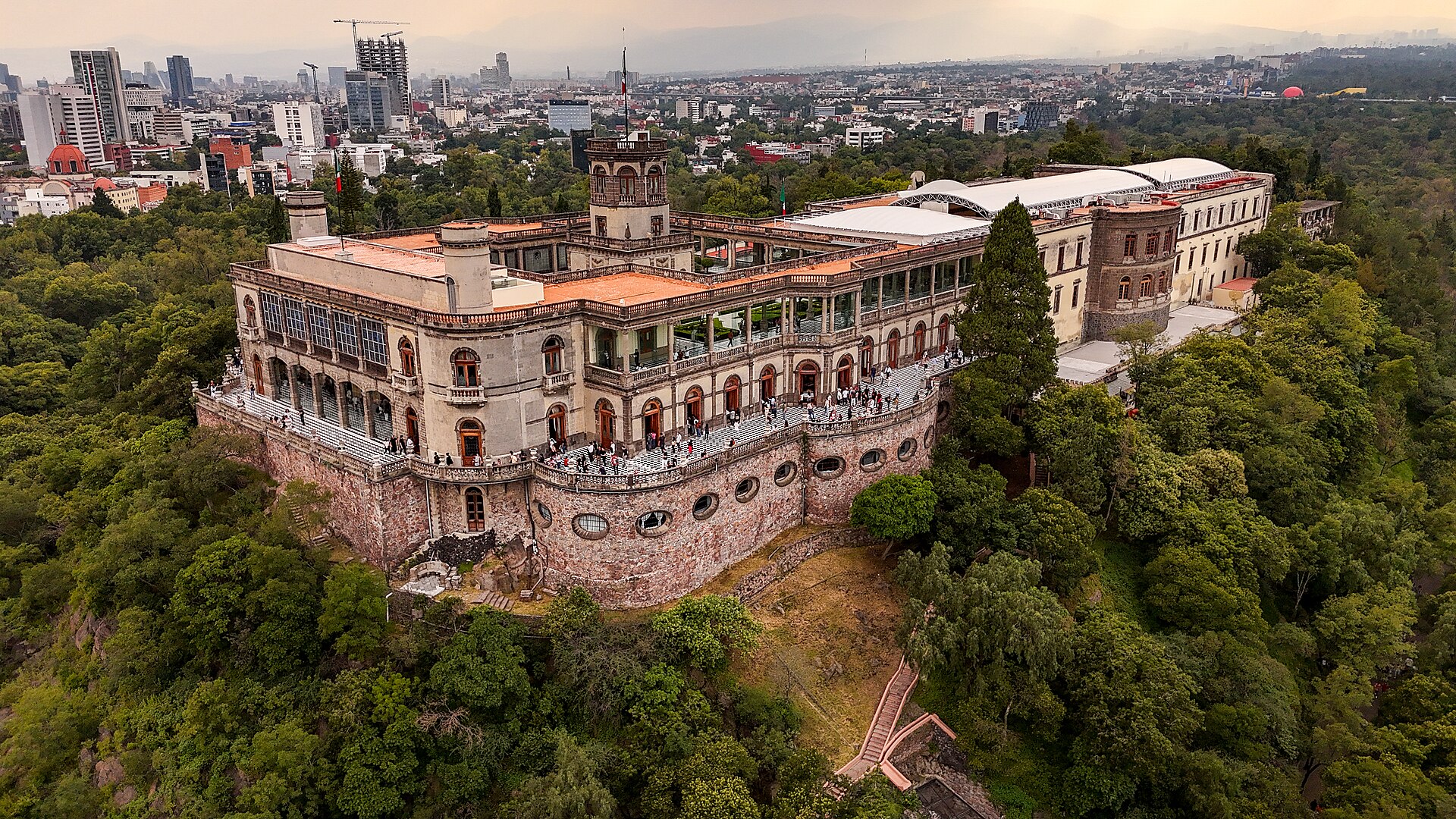
What actually catches visitors is stairs. Metro stations are deep, Chapultepec is a hill, and the Anthropology museum is several kilometres of flat walking. You will notice your breathing for two days and then stop. That is not an illness.
Air quality is the health issue to worry about instead. The Comisión Ambiental de la Megalópolis activates a Phase 1 ozone contingency when hourly concentrations pass 155 parts per billion. On 10 March 2026 a reading of 159 ppb in Naucalpan triggered the fourth such contingency of the year, answered with a double Hoy No Circula the next day from 05:00 to 22:00. They cluster in the dry warm season, roughly February to June. If one is declared while you are there, that is the day the plan moves indoors. And drink bottled water: the UK Foreign Office's advice for Mexico is to "only drink boiled or bottled water and avoid ice in drinks."
Monday takes things away. Sunday gives them away, but not to you
Here is the closing-day picture, from each site's own page.
| Place | Open | Closed | Foreign adult |
|---|---|---|---|
| Museo Nacional de Antropología | Tue to Sun, 09:00 to 18:00 | Monday | $210 |
| Castillo de Chapultepec | Tue to Sun, 09:00 to 17:00 | Monday, without exception | $210 |
| Museo del Templo Mayor | Tue to Sun, 09:00 to 17:00 | Monday | $210 |
| Bosque de Chapultepec, first section | Tue to Sun, 06:00 to 17:00 | Monday | Free |
| Museo Frida Kahlo (Casa Azul) | Tue to Sun, 10:00 to 18:00, Wed from 11:00 | Monday | $320 |
| Museo Casa Kahlo | Wed to Mon, 09:00 to 19:00 | Tuesday | Separate ticket |
| Museo del Palacio de Bellas Artes | Tue to Sun, 10:00 to 18:00 | Monday | $90, free Sundays |
| Teotihuacán | Every day, 08:00 to 17:00, last entry 16:30 | Never | $210 |
| Mirador Torre Latinoamericana | Every day, 09:00 to 22:00 | Never | $220 |
Read that column of Mondays again. On a Monday you lose the Anthropology museum, the castle, the park the castle stands in, the Templo Mayor, Bellas Artes and the Casa Azul, all at once. That is most of the reason you came.
Now the Sunday half, where the usual advice goes wrong in a specific and expensive way.
INAH sites are free on Sundays, but not to you. The National Institute of Anthropology and History runs the Anthropology museum, the castle, the Templo Mayor and Teotihuacán. Its own statement is that Sunday access is free "para personas mexicanas y extranjeras residentes en México": Mexican nationals and foreigners resident in Mexico, on production of ID or a residence card. A visiting tourist pays the full $210, on the busiest day of the week.
INBAL museums are free on Sundays to everybody. The Museo del Palacio de Bellas Artes charges $90 from Tuesday to Saturday and is free on Sunday with no nationality test at all. Same city, same day, opposite rule. Bellas Artes is also where the Ballet Folklórico de México performs, on Wednesdays at 20:30 and Sundays at 09:30 and 20:30.
Put the free-for-everyone thing on Sunday, then, and the pay-anyway thing on a quieter weekday.
Sunday also closes roads, deliberately. The Paseo Dominical runs every Sunday from 08:00 to 14:00 and hands 57 kilometres of road to bicycles, including Paseo de la Reforma itself and stretches through Condesa, División del Norte, Patriotismo and Coyoacán. If your hotel is on Reforma and your flight is at midday on a Sunday, your taxi cannot take the obvious route. If you are not flying anywhere, it is the best free morning in the city.

Where to sleep, and why it is most of the trip
The sights are not in one place, and four days is not enough to move hotels. The base is one decision you make once and live with.
Roma Norte, Condesa or Juárez is the default answer and the right one for most people. The three colonias run into each other, they are flat and walkable, Metrobús runs along Insurgentes through them for $6 a journey, and Ecobici docks are dense here in a way they are not further out. You are a short ride from the Centro and a short ride from Chapultepec.
Centro Histórico suits a trip where day one matters more than the evenings: the Zócalo, the cathedral, Templo Mayor, Palacio Nacional, Bellas Artes and the Torre Latinoamericana are all within a few blocks. The trade is that it empties after dark, and the restaurants you have read about are mostly in Roma and Condesa.
Polanco is closest to the Anthropology museum and the most expensive of the four. It suits a museum-weighted trip and is the worst base for the Centro. Coyoacán is genuinely lovely and the wrong base: sleeping there means commuting into the city you came to see every morning. Visit for a day, which is what day three is for.
One line on the bill: Mexico City levies a lodging tax of 3.5 per cent at hotels and 5 per cent on stays booked through digital platforms, so the apartment that looked marginally cheaper carries the higher rate.
Getting in, and getting around
From the airport, take the bus. Metrobús Line 4 runs a dedicated route between Paseo de la Reforma and both airport terminals at a flat $30 per person, against $6 on the rest of the network. It runs every day of the year, Monday to Saturday from 04:30 to midnight and Sundays from 05:00, and the vehicles are built to take luggage, which the Metro proper is not.
Airport taxis have no published fare table. The airport's own page for authorised taxis lists ten companies and no prices, and the fares move: the authorised groups began applying discounts of up to 18 per cent in June 2026. Buy from a booth inside the terminal and agree the zone before you get in. The Foreign Office warns that "unlicensed taxi drivers have robbed and assaulted passengers, including in Mexico City", which is why the booth exists.
In the city, the Metro is $5, flat, with free interchange, a fare the city government confirmed in December 2025 would hold through 2026. Metrobús is $6, the Tren Ligero to Xochimilco is $3, Cablebús is $7, and you need a Tarjeta de Movilidad Integrada to pay for any of them.
Ecobici is priced strangely. One day is $134, three days $263, seven days $441, all with unlimited trips of up to 45 minutes and $26 for the first extra hour. The annual plan is $588, so a week costs three quarters of what a year costs. Take the three day pass and use it on the closed roads of a Sunday morning.
Do not rent a car. Hoy No Circula restricts vehicles by plate and emissions sticker, and out-of-state and foreign-plated cars are caught by it. A free Pase Turístico lifts the restriction for up to fourteen days a semester, and explicitly does not apply on contingency days, which are exactly the days you would want it.
The four days
The plan assumes a Wednesday to Saturday, or anything that keeps a Monday out of days one to three.
Day 1: Centro Histórico, on foot, at ground level
The arrival day, deliberately flat.
Morning. The Zócalo and the Metropolitan Cathedral, then the Templo Mayor, the Mexica temple excavated out from beneath the colonial city. Museum and site are Tuesday to Sunday, 09:00 to 17:00, $210 for a foreign adult and $105 for nationals and residents. It is the best hour in the Centro for understanding what the rest of the city stands on.
Midday. Palacio Nacional, for the Diego Rivera stairway murals. This one needs planning rather than money: the city's own tourism office says visits are by guided tour only, arranged in advance by email to visitas_guiadas@hacienda.gob.mx or in person at the Finance Ministry museum entrance next door. The tours are free. Turning up at the gate and hoping is the version that does not work.
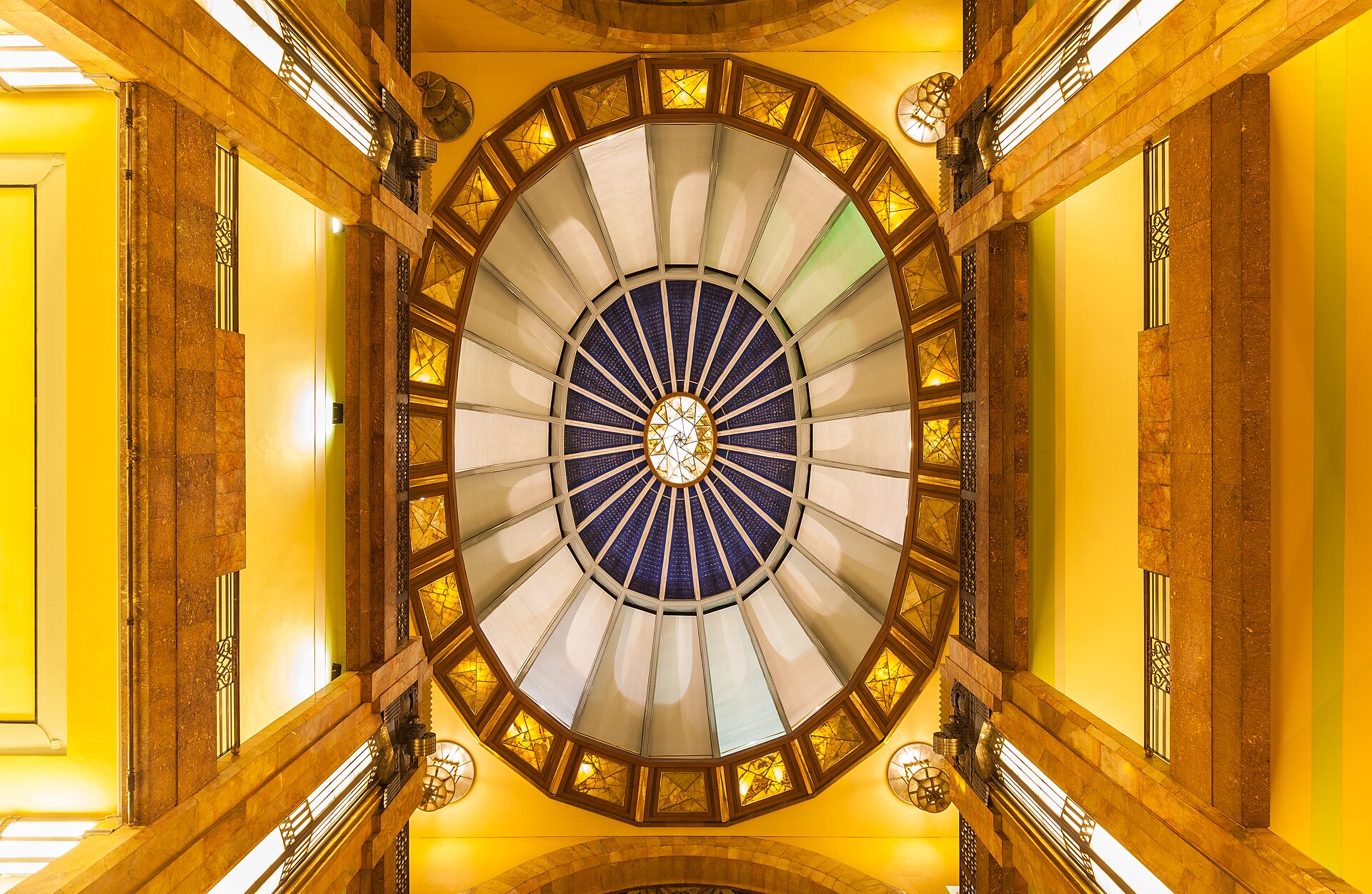
Afternoon. Bellas Artes, $90 Tuesday to Saturday, 10:00 to 18:00, cash at the desk. Then across the street and up the Torre Latinoamericana, $220 for an adult, open every day from 09:00 to 22:00, with a wristband that lets you go up and down all day. Go late: the observation floors at dusk are the best-value view in the city, and the tower never closes.
Evening. Eat in Roma or Condesa, and remember the 48 hour rule. Day one is the wrong night for the mezcal flight.
Day 2: Chapultepec, and the museum you cannot rush
This is the day that absolutely cannot be a Monday. Every part of it is shut.
09:00. Museo Nacional de Antropología at opening, $210 for a foreign adult, Tuesday to Sunday, 09:00 to 18:00. It is one of the great museums anywhere and it defeats people who arrive at two in the afternoon with an hour to spare. Plan a long morning. The ground floor runs in chronological order and the Mexica hall with the Piedra del Sol is on it, which is the honest shortcut.
Afternoon. Chapultepec Castle, which is the Museo Nacional de Historia, Tuesday to Sunday 09:00 to 17:00, $210, closed every Monday of the year without exception. Its own guidance is that the visit takes at least an hour and a half, and staff start clearing the building fifteen minutes before closing, so a 16:00 arrival is not a visit. The castle is on a hill, and this is your altitude test.
Late afternoon. The first section of the Bosque de Chapultepec, Tuesday to Sunday, 06:00 to 17:00, free. The second section stays open around the clock every day, which is worth knowing on a Monday.
Day 3: Coyoacán, and the ticket that sells out
Book the Casa Azul before you book anything else. The Museo Frida Kahlo sells timed slots online at $320 general, $160 for Mexican nationals with ID, $60 for students and teachers with a credential, $30 for over-60s and children aged 6 to 12. Closed Mondays, opening at 10:00 Tuesday to Sunday and at 11:00 on Wednesdays, which is a one-hour trap for anyone who checked the hours once. There are Thursday evening sessions from 17:15 to 21:00.
The second Kahlo house closes on a different day. Museo Casa Kahlo, the family home on Aguayo a few minutes away, opened in 2025 and runs Wednesday to Monday, 09:00 to 19:00, closed Tuesdays. Wednesday to Sunday is the only window when both houses are open at once. Guided tours run every ten minutes until 16:50, self-guided entry from 17:00.
The rest of the day is Coyoacán's centre, the Jardín Centenario and the market, on foot. It is the part of this itinerary that rewards having nothing booked.
If you have the afternoon, add Xochimilco. The Tren Ligero gets you there for $3. The alcaldía publishes a single official trajinera rate, widely reported at 750 pesos an hour, charged per boat rather than per person for up to roughly eighteen people. Buy at the ticket window of an authorised embarcadero, ignore anyone who intercepts you on the road offering a discount, and agree the length and the total before you step aboard.

Day 4: Teotihuacán, and the thing nobody tells you
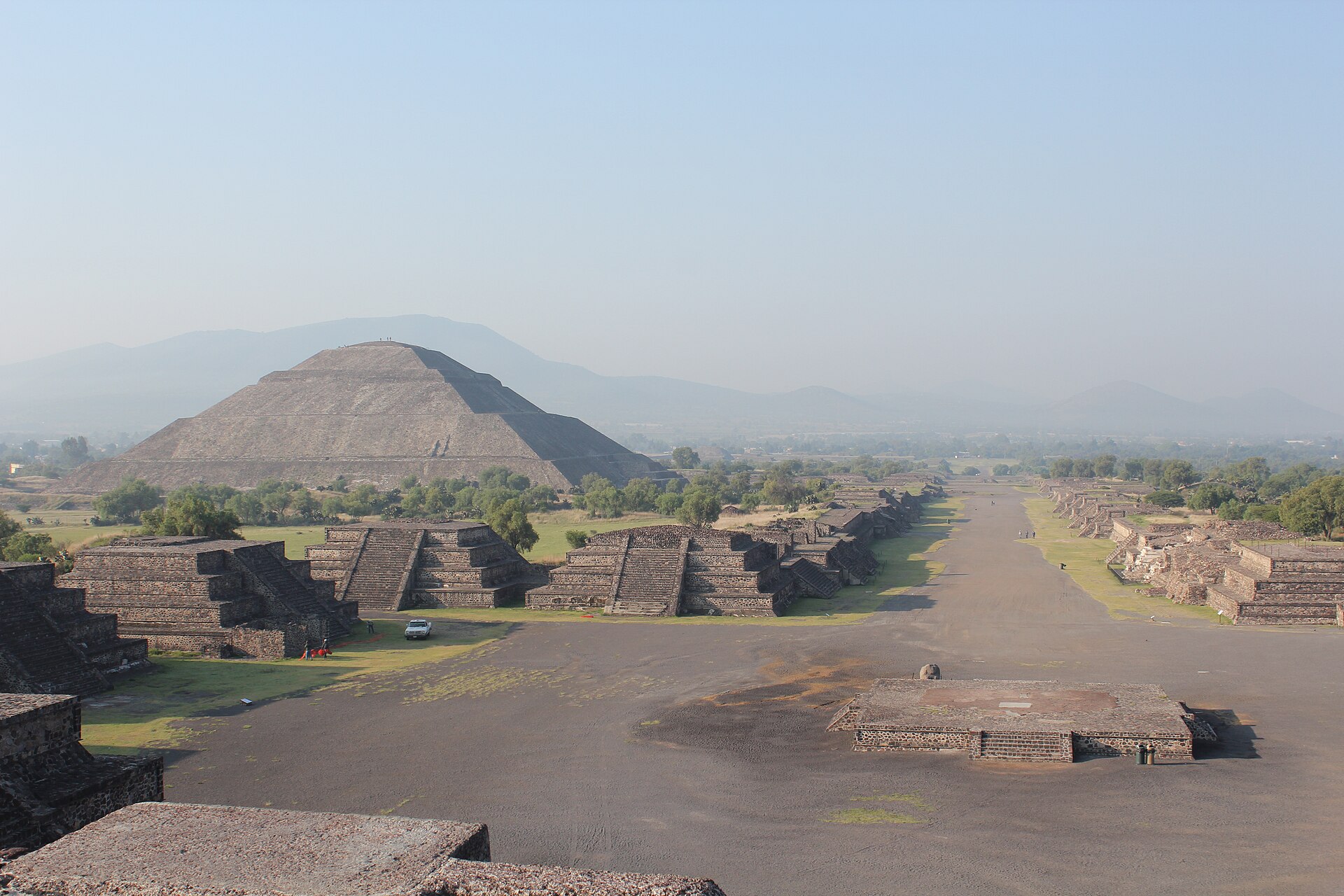
Teotihuacán is open Monday to Sunday, 08:00 to 17:00, last entry 16:30, at $210 for a foreign adult and $105 for nationals and residents. Because it never closes, it is the piece that rescues a badly shaped week.
Now the part most itineraries have not caught up with. You cannot climb the Pyramid of the Sun. Access to the summit was suspended in 2020 as a pandemic measure and has not been restored. Climbing on the Pyramid of the Moon reopened in 2025, then closed again after an armed attack at the site on 20 April 2026 in which two people died, one of them a Canadian visitor, and thirteen were injured. The site reopened on 22 April with screening at the entrances, and access was restored to the Moon's first platform rather than its summit.
None of that is a reason to skip it. The Avenue of the Dead and the Ciudadela are the visit, and the site is enormous, exposed and almost shadeless. Go early, take water and a hat, and expect several kilometres of walking. If Teotihuacán is not for you, the alternative is the second section of the Bosque de Chapultepec, which never closes.
What to skip
The Sunday visit to the Anthropology museum. Full price on the busiest day of the week. Every argument for going on a Sunday is an argument that applies to somebody holding a Mexican ID.
A rental car. Hoy No Circula, contingency days, and a city with a $5 Metro.
The airport taxi booked online at a fixed price. There is no published fare table to check it against. The authorised booth inside the terminal, or the $30 Metrobús, are the two verifiable options.
Moving hotels mid-trip. The half day it costs is more than any neighbourhood upgrade returns.
What four days costs
Per person, excluding accommodation and flights, at the prices verified above.
| Line item | Four days | Notes |
|---|---|---|
| Airport transfer | $60 | Metrobús Line 4, $30 each way |
| Local transport | $40 to $80 | Metro $5, Metrobús $6, Tren Ligero $3 |
| Templo Mayor, Anthropology, the castle | $630 | $315 for nationals and residents |
| Bellas Artes | $0 to $90 | Free on Sunday, to everyone |
| Torre Latinoamericana | $220 | Re-entry all day on one wristband |
| Museo Frida Kahlo | $320 | Timed slot, online |
| Teotihuacán | $210 | $105 for nationals and residents |
| Trajinera at Xochimilco | $750 per boat | Split between up to about eighteen |
Food is the line this table cannot guess at, and the range here is wider than most.
Key Takeaways
| Point | Details |
|---|---|
| The altitude is real but low risk | At 2,240 m the city sits below the CDC's 2,450 m threshold and inside its low risk row, where "acetazolamide prophylaxis is not indicated". |
| Monday is the closing day, not Sunday | Anthropology, the castle, Templo Mayor, Bellas Artes, the Casa Azul and the first section of Chapultepec all close on Mondays. |
| Sunday is free, but check whose Sunday | INAH sites are free on Sunday only to Mexicans and residents. Bellas Artes and the INBAL museums are free to everyone. |
| Sunday closes 57 km of road | The Paseo Dominical runs 08:00 to 14:00 and includes Paseo de la Reforma. |
| Book the Casa Azul first | $320, timed slots, online only, closed Mondays, opening at 11:00 not 10:00 on Wednesdays. |
| Neither pyramid at Teotihuacán can be climbed | The Sun closed to climbers since 2020, the Moon limited to its first platform since April 2026. It opens every day, though, which makes it the fix for a Monday. |
| The airport bus is $30 | Metrobús Line 4 to both terminals, luggage-friendly. The airport taxi trade publishes no fares at all. |
| Base once, in Roma, Condesa or Juárez | Flat, walkable, dense in Ecobici docks. Coyoacán is a day trip, not a base. |
Where this itinerary tends to break
A Monday lands in the middle of it. This is the failure mode, and it is common, because people book four nights around a weekend without checking. Move Teotihuacán onto the Monday and slide the rest back a day. If the Monday is your last day, the second section of Chapultepec and the Torre Latinoamericana are the two things still standing.
Day 3 collapses if the Casa Azul slot goes. Slots are sold online and the popular ones go. If you land a late afternoon slot, do Coyoacán's centre first and leave Xochimilco for another day rather than compressing all three.
Your Coyoacán day is a Tuesday, and Casa Kahlo is shut. The two Kahlo houses close on different days. Wednesday to Sunday is the only overlap.
A contingencia ambiental is declared. Ozone contingencies are a feature of the dry warm season, not a freak event. When one lands, the Anthropology museum is the right answer and the exposed pyramid plain is the wrong one.
You underestimate the Anthropology museum. Arriving at 15:30 for an 18:00 close is the commonest way to waste $210 in this city.
How Planytera handles a trip like this
Planytera is an AI trip planner built by a solo developer, available on iOS, Android and the web. You describe the trip you want and it builds a day-by-day itinerary, ready in moments. Four things it does map onto the problems above.
Changing one thing keeps the rest in sync. The Casa Azul slot and the position of a Monday are the two things most likely to break this plan. Move either and the surrounding days re-order, instead of leaving you with a Monday full of locked doors.
Pacing is a setting, not an accident. The altitude advice here is really pacing advice: a lighter first two days, exertion later. Ask for a slower start and the itinerary re-paces rather than simply deleting stops.
Offline access covers the parts with no signal. Save a trip and the itinerary, maps and notes stay available without a connection. The Metro is underground and Teotihuacán is an hour outside the city.
Group trips settle up without a spreadsheet. Share a read-only link, or invite people to vote on which sites make the cut, and use split costs to track who owes who. A $750 trajinera divided six ways is exactly that arithmetic, and it never touches anyone's money.
It also checks visa and e-visa requirements once you set your passport.
Frequently asked questions
Will I get altitude sickness in Mexico City?
Probably not. The city averages 2,240 m, below the 2,450 m sleeping altitude the CDC gives as the general risk threshold, and it falls in the CDC's low risk category, where the guidance says acetazolamide prophylaxis is not indicated. Follow the standard first-48-hours advice instead: avoid alcohol, stick to mild exercise. You will notice stairs for a couple of days, which is not altitude sickness.
Is everything really closed on Sundays in Mexico City?
No, and this is the most useful correction in the post. Monday is the closing day. The Anthropology museum, Chapultepec Castle, the Templo Mayor museum, Bellas Artes, the Casa Azul and the first section of the Bosque de Chapultepec all close on Mondays. Sunday is the day most of them are free, though not necessarily to you.
Are museums free on Sunday for tourists?
It depends who runs the museum. INAH sites, which include the Anthropology museum, Chapultepec Castle, the Templo Mayor and Teotihuacán, are free on Sundays only to Mexican nationals and foreign residents of Mexico, with ID. A visiting tourist pays the full $210. INBAL museums are different: the Museo del Palacio de Bellas Artes is free on Sundays to everyone.
Which neighbourhood should I stay in for four days?
Roma Norte, Condesa or Juárez for most people: flat, walkable, on the Insurgentes Metrobús corridor at $6 a ride, and roughly equidistant from the Centro and Chapultepec. Choose the Centro Histórico if the Zócalo cluster on foot is the priority, Polanco if the museums matter more than the evenings. Do not base in Coyoacán, which is a day trip.
Can you still climb the pyramids at Teotihuacán?
No. Climbing the Pyramid of the Sun was suspended in 2020 and has not been restored. The Pyramid of the Moon reopened to climbers in 2025, closed again after an armed attack at the site on 20 April 2026, and reopened on 22 April with access limited to the first platform. The Avenue of the Dead and the Ciudadela are still open, and the site runs every day from 08:00 to 17:00 with last entry at 16:30.
How do I get from the airport into the city?
Metrobús Line 4 runs a dedicated route between both airport terminals and Paseo de la Reforma at a flat $30, every day of the year, with vehicles built for luggage. Otherwise use an authorised taxi booth inside the terminal. The airport publishes a list of authorised companies but no fare table, so agree the zone price before you set off.
Useful sources and further reading
- CDC Yellow Book 2026: High-Altitude Travel and Altitude Illness, the 2,450 m threshold and the 48 hour alcohol and exercise advice, with Table 3.5.1 for the risk categories.
- Museo Nacional de Antropología, hours, the $210 and $105 prices and the Sunday rule.
- INAH on free Sundays, free entry for Mexicans and residents of Mexico only.
- Zona Arqueológica de Teotihuacan for hours and prices, and INAH on the 22 April 2026 reopening for the Pyramid of the Moon.
- Castillo de Chapultepec, the Museo del Templo Mayor and the Bosque de Chapultepec FAQ, for hours, prices and the Monday closures.
- Museo Frida Kahlo tickets and Museo Casa Kahlo, the price tiers and the two different closing days.
- Bellas Artes 2026 prices and the Palacio de Bellas Artes programme for Ballet Folklórico times.
- Palacio Nacional on the city's tourism site, confirming guided tours only, booked through the Finance Ministry.
- Mirador Torre Latinoamericana and Ecobici plans and rates.
- Metro fare confirmed for 2026 and fares across every CDMX system, including the $30 Line 4 airport route.
- AICM authorised taxi companies, published without prices, and the June 2026 fare discounts.
- Paseo Dominical route and hours, the 57 km and the avenues closed.
- Phase 1 ozone contingency, 10 March 2026 and the Pase Turístico, which is void on contingency days.
- Mexico City's altitude and the impuesto sobre hospedaje by state.
- UK Foreign Office advice for Mexico on water and ice, and the safety page on unlicensed taxis.
Recommended
More from the Planytera blog.