Blog19 min read
10 Days in Peru: Altitude Decides Your Itinerary
A ten day Peru plan built on the acclimatisation rules doctors actually publish, with 2026 Machu Picchu prices, capacity limits and ticket rules.
By Dom
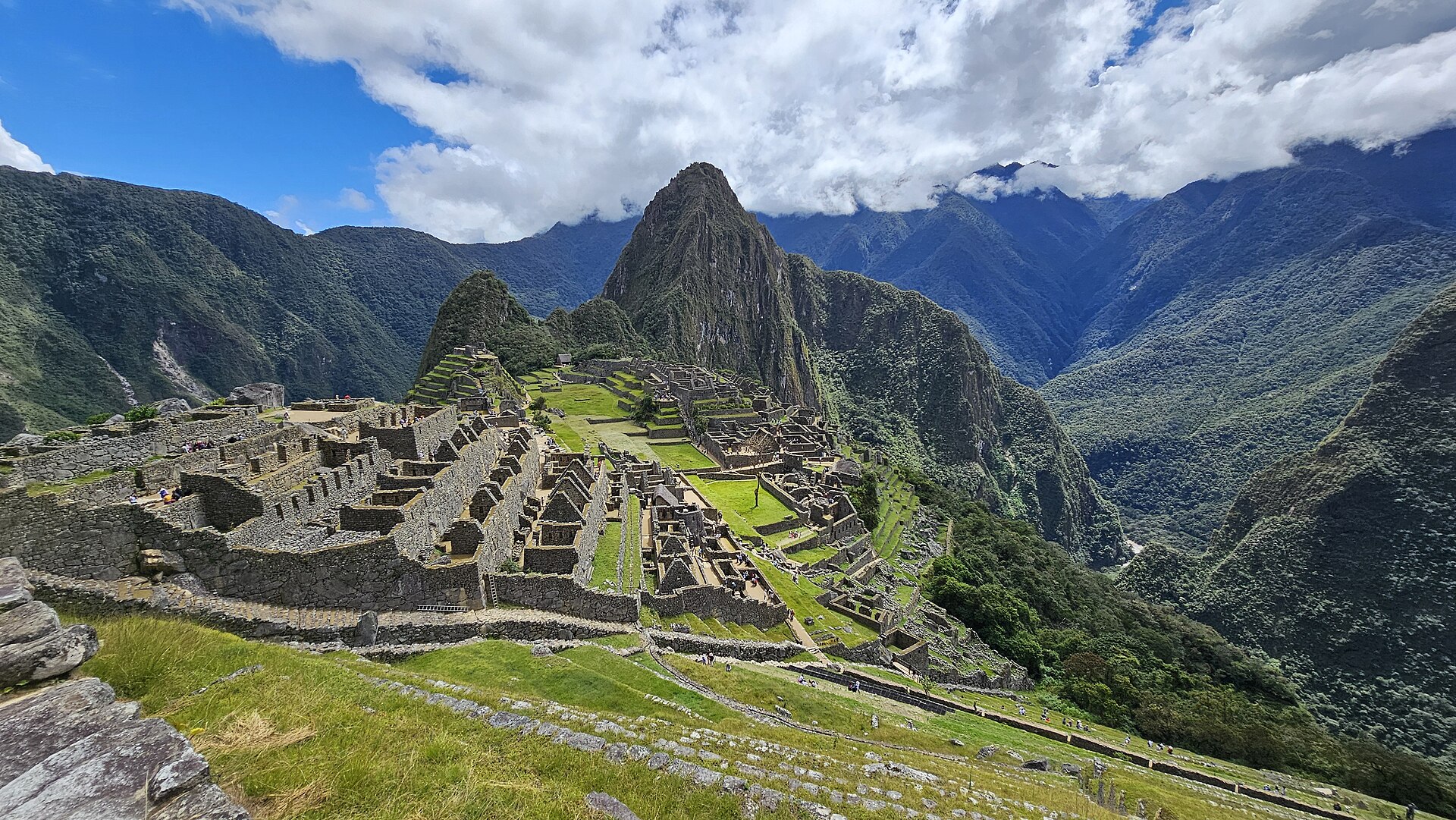

Most ten day Peru itineraries put altitude in a box at the end, next to the packing list. Drink coca tea, take it easy on day one, see how you go.
That is the wrong place for it. Altitude in Peru is not a comfort note. It decides which order your days go in, how many nights each base gets, and which famous day trip you are physically able to do in the first week. Get the order wrong and you do not have a slightly less pleasant trip. You have a plan where days three and four are spent lying down.
The reason is one scheduling fact. You fly from Lima at sea level and land at Cusco at 3,399 m, in about an hour and twenty minutes. Every published acclimatisation guideline is written around gaining a few hundred metres a day. This itinerary does 3,399 m of it before lunch.
So this is a ten day plan built the other way round: take the medical constraint as fixed, then fit the country into it. It also covers the 2026 Machu Picchu ticket rules, which changed twice and catch people out separately.
The altitude table, which is really a timetable
These are sleeping or standing altitudes, not summits.
| Place | Altitude | What it is in this plan |
|---|---|---|
| Lima | sea level | Arrival, and a genuine rest point |
| Machupicchu Pueblo (Aguas Calientes) | about 2,040 m | The lowest bed near the site |
| Arequipa | about 2,335 m | Well below the danger band |
| Machu Picchu | 2,430 m | Lower than Cusco, which surprises people |
| Ollantaytambo | 2,850 m | Sacred Valley, and the key to this itinerary |
| Urubamba | 2,870 m | Sacred Valley |
| Pisac | 2,980 m | Sacred Valley |
| Cusco | 3,399 m | The city you fly into first, and should not sleep in |
| Chinchero | 3,754 m | Higher than Cusco, on a common day tour |
| Puno | about 3,830 m | Lake Titicaca, another ascent |
| Vinicunca (Rainbow Mountain) | 5,036 m | A day hike above 5,000 m |
Two rows do most of the damage. Cusco is the one everyone flies into. Vinicunca is the one everyone books for day three.
What the guidance actually says, in numbers
The numbers are specific. The popular advice is not.
The CDC Yellow Book's 2026 chapter gives the Wilderness Medical Society recommendations plainly: ascend "at a rate of no greater than 500 m (1,650 ft) per night in sleeping altitude once above 3,000 m (9,800 ft)", and allow "an extra night to acclimatize for every 1,000 m (3,300 ft) of sleeping altitude gain". The UK's TravelHealthPro factsheet says the same and adds rest periods every three to four days, putting the general risk threshold at "altitudes over 2,500m".
Then the sentence this whole itinerary is built on. The CDC says that "acclimatizing for a minimum of 2 to 3 nights at around 2,450 to approximately 2,750 m (8,000 to 9,000 ft) before proceeding to a higher altitude is markedly protective against acute mountain sickness."
The Sacred Valley towns sit at 2,850 to 2,980 m. Ollantaytambo is close to the top of that protective band and roughly 550 m below Cusco. That is not something to arrange later. It is the plan.
Four more figures that set expectations:
- Rapid ascent by aeroplane to above 3,400 m is a high-risk category, "with rates of altitude illness approaching 50% in these situations". Cusco is 3,399 m, or 11,152 ft, a rounding error from that line.
- Symptom onset is "usually 2 to 12 hours after initial arrival". You will often feel fine leaving the airport and unwell that evening.
- Acute mountain sickness "generally resolves within 12 to 48 hours if travelers do not ascend farther". The condition for recovery is doing nothing higher.
- "Day trips to high-altitude destinations with an evening return to a lower altitude are much less stressful on the body." Sleeping altitude is what counts, not the highest point you stood on.
The CDC also says to avoid alcohol and do only mild exercise for the first 48 hours. Acetazolamide prophylaxis is given as 125 mg every 12 hours from the day before ascent through the first two days at altitude, which is a prescription decision for a doctor who knows your history.
TravelHealthPro adds the two rules that override everything: "Never ascend to sleep at a higher altitude in the presence of symptoms of altitude illness", and always attempt to descend if symptoms worsen or are severe. The serious forms present as confusion and loss of coordination, or as breathlessness at rest with a wet cough. Neither is something to sleep on. UK government advice names the places without hedging: "Altitude sickness is a serious risk in parts of Peru, including Cusco, Puno, the Colca Canyon and Kuelap."
The single change that fixes most Peru itineraries
Do not sleep in Cusco on night one. Go straight to the Sacred Valley.
The transfer from Cusco airport down to Urubamba or Ollantaytambo is a road journey of roughly an hour and a half, arranged before you fly. You land at 3,399 m, spend an hour or two in a vehicle, and sleep at 2,850 to 2,900 m. You have turned the worst night of the trip into a night inside the band the CDC calls markedly protective.
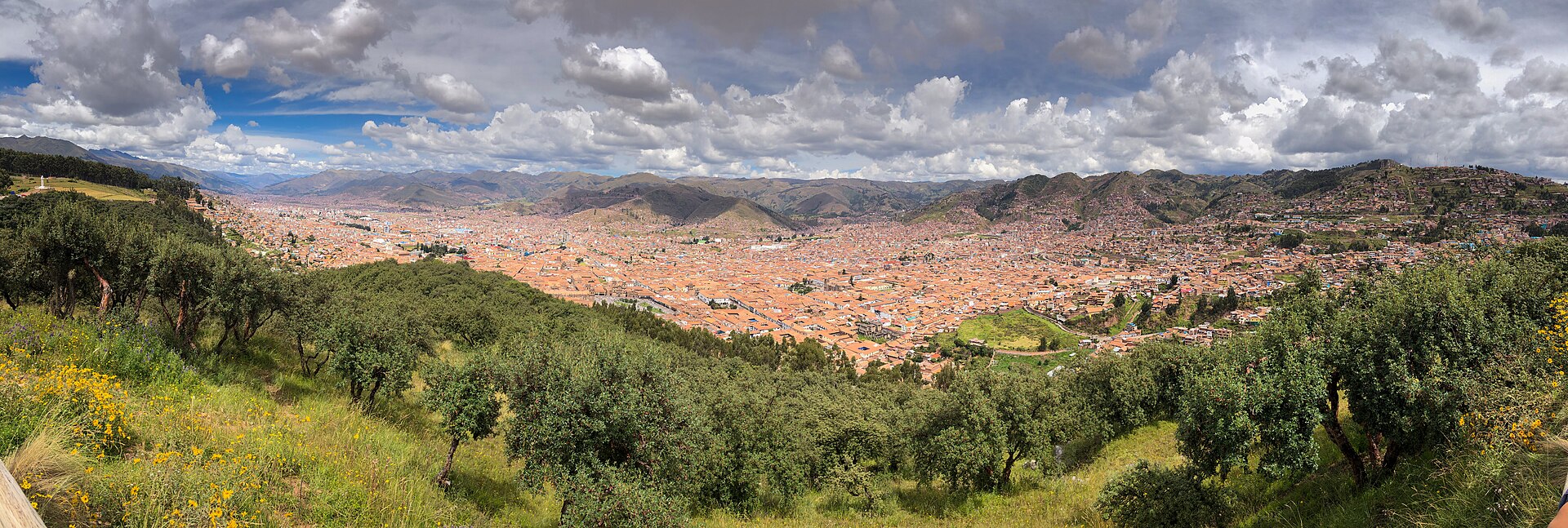

Three things follow.
Cusco moves to the end. It deserves two or three days, after you have banked several nights lower down. Arriving into Cusco from the valley later is a 500 m gain, exactly the daily increment the guidance allows.
Machu Picchu becomes a descent. The site is at 2,430 m and the town below it around 2,040 m. Going there from the Sacred Valley means going down. Almost everyone assumes the opposite.
The high day trips move back. Vinicunca is a hike at 5,036 m. Operators say it should not be attempted in your first two days at altitude and that two days of acclimatisation is the sensible minimum. On this routing it lands at day eight or nine, which is where it belongs.
The Sacred Valley is the acclimatisation, and also the best part
The framing that ruins this is treating the valley as a day tour out of Cusco. It is where the itinerary lives for the first stretch.
Ollantaytambo is the practical base. It has the terraces, a lived-in Inca street plan, and the railway station most Machu Picchu trains leave from, so you are not driving an hour and a half at 05:00 on the morning of the thing you came for.
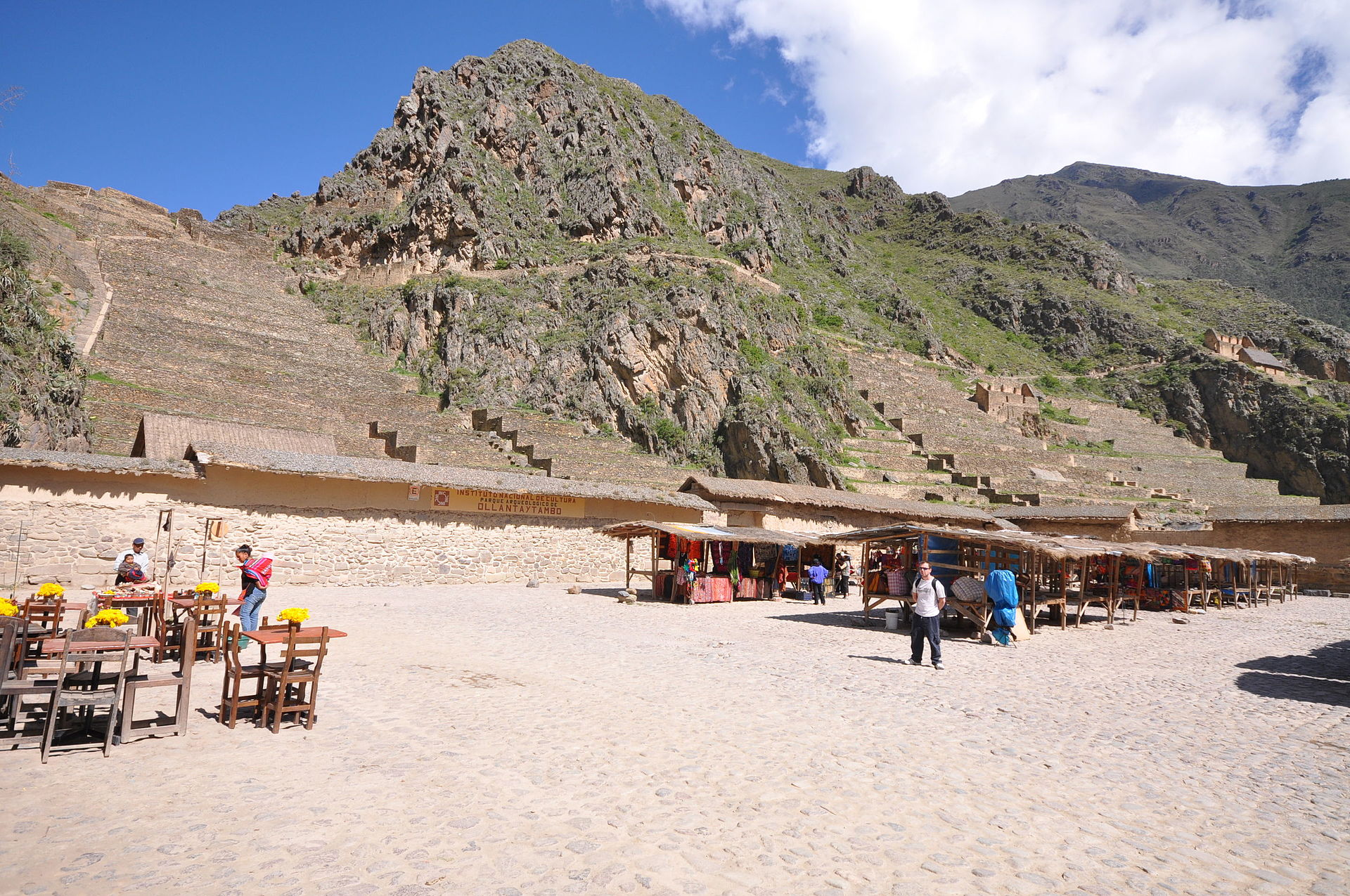

One warning about the standard valley day tour: most versions include Chinchero at 3,754 m, higher than Cusco and nearly 900 m above Ollantaytambo. As a day trip returning to a valley bed that is fine, and it is the CDC's own point about day trips being much less stressful than sleeping high. As your second morning in the country it is a poor use of a fragile day. Push it later in the stretch.
Most valley sites run on the Boleto Turístico del Cusco, administered by COSITUC. Published figures put the full ticket at S/130 for foreign adults, valid ten consecutive days from first use, with partial circuit tickets around S/70. COSITUC's own site was not reachable while this was written, so treat those as widely reported rather than verified at source. What is not in dispute: one ticket covers a bundle of sites, it is not sold at each gate, and Machu Picchu is not on it.
Machu Picchu in 2026: the rules changed, twice
A good altitude plan can still be undone by ticketing.
Capacity is fixed by resolution. Ministerial Resolution N° 000285-2025-MC sets 5,600 visitors a day in high season and 4,500 otherwise. High season for 2026 is 1 January, 2 to 5 April, 19 June to 2 November, and 30 to 31 December. Of the high season allocation, 4,600 are sold online and 1,000 in person at the cultural centre in Machupicchu Pueblo.
There is one official seller, the Ministry of Culture platform at tuboleto.cultura.pe. Everything else is a reseller.
Price. The tariff for a foreign adult on a standard circuit is S/152. From 1 May 2026, SERNANP added a protected-area conservation charge on top: S/11 for foreign visitors and S/5 for nationals and minors, under Resolución Directoral N° 000006-2026-SERNANP/DUSRN. That is about S/163 for a foreign adult. Peruvians, foreign residents and Andean Community citizens pay the promotional tariff set by Ministerial Resolution N° 000284-2025-MC: S/64 for standard circuits, S/112 for routes including Huayna Picchu, Machu Picchu Mountain or the Gran Caverna, plus the S/5. PeruRail's own page quotes USD 60 for a foreign adult, which does not reconcile with the soles figure at current rates. Take the Ministry's price as the real one.
Circuits are one way and timed. Three circuits split into ten routes, hourly entry slots, last entry hour reported as 15:00 with a 30 minute tolerance after your printed time, and no re-entry. You cannot wander, double back, or change route on the day. Arrivals via the Inca road network have their own door: Ministerial Resolution N° 000306-2025-MC, signed 11 November 2025, sends them through circuit 3-B and requires booking through authorised agencies.
Whether a guide is legally required is genuinely unclear. The 2017 regulation framed entry as being with a licensed guide and capped groups at ten, the Ministry said in 2024 it was evaluating making this mandatory for the citadel, and in practice many visitors still enter standard circuits without one. Sources disagree. Hire one anyway: on a one-way circuit you cannot re-walk, and the difference between seeing stonework and understanding it is the whole visit.
Buses. Consettur runs the shuttle from the town up to the entrance and publishes USD 35 return and USD 23 one way for adults, leaving every ten minutes from 05:30 to 16:00 going up and from 07:30 coming down, about 25 minutes up and 20 down. Some travel sources quote a return fare nearer USD 24. Buy the afternoon before rather than in the morning queue.
The Inca Trail, and the February problem
The classic four day trail is a separate booking with a separate calendar, and it crosses a pass at roughly 4,200 m on day two. That is a serious ascent in the middle of a trek, not a walk.
It closes for all of February for maintenance and conservation. If your dates are in February, you are doing an alternative trek or the train.
Permits are capped and released month by month. Sale of 2026 permits opened on 17 November 2025 through the Ministry platform, at 08:00 Peru time for the Inca road network and midday for Machu Picchu itself. Operators consistently report a cap of 500 people a day including guides, cooks and porters, leaving roughly 200 trekker places. The underlying instrument is Ministerial Resolution N° 069-2017-MC, whose full text was not retrievable while this was written, so treat 500 and 200 as operator consensus rather than a quoted line.
You cannot book it yourself. Permits go to licensed agencies and are tied to a named passport.
If the permits are gone, the alternatives are real rather than consolation prizes, but check their altitude profiles: Salkantay crosses a pass somewhere around 4,600 to 4,650 m, with sources disagreeing on the height, and Lares reportedly tops out near 4,450 m. Both are higher than the Inca Trail's high point, and neither needs a trail permit. On a trip with a proper acclimatisation front end, either works. On one that starts with two nights in Cusco, neither does.
The ten days
This assumes a dry season trip. The Andean dry season runs roughly May to September, the wet season November to April, with the heaviest rain in January and February.
Day 1: Lima, and then keep going
Land at Lima, at sea level. If your arrival is early enough to connect the same day, take the Cusco flight and transfer straight down to the Sacred Valley. Flights run daily with LATAM, Sky and JetSMART at about an hour and twenty minutes. If your arrival is late, sleep in Lima: a night at sea level costs nothing physiologically. What you must not do is land at Cusco tired at 3,399 m and try to sightsee.
Days 2 and 3: the Sacred Valley, doing very little
Base in Ollantaytambo or Urubamba. Day two is light by design: mild exercise only and no alcohol for the first 48 hours, and the valley is a good place to comply. Day three is the valley proper: Pisac, Moray, the salt pans at Maras, Chinchero if you want the higher stop, all as day trips from a bed at 2,850 to 2,900 m. Up during the day, down to sleep, which is the pattern the guidance actively endorses.
Day 4: down to Machu Picchu Pueblo
Take the train from Ollantaytambo. PeruRail describes the run as roughly an hour and a half to two hours, and its published schedules show journeys around 1h45. Trains run from early morning until 21:00 out of Ollantaytambo, with the earliest return at 05:35.
Sleep in Machupicchu Pueblo, at around 2,040 m. This is the lowest night you will have in the Andes, and anyone still rough from the flight in will notice.
Day 5: Machu Picchu
Take the first buses. Your entry hour is printed on the ticket and the walk up is not a realistic substitute if you are cutting it fine.
Whether to add a mountain is a real decision, not a default. Huayna Picchu and Machu Picchu Mountain are both on the higher-priced routes, both involve serious stair climbing, and both put you well above the citadel. On day five of a well-paced trip that is reasonable. On a compressed itinerary it is the most likely place to feel awful in a memorable location. Afternoon train back to Ollantaytambo.
Days 6 to 8: Cusco
Now you go up, and now you are ready. Cusco is around 500 m above your valley base, the daily increment the guidance permits.
Three days is right: the city, Sacsayhuamán and the ruins above it, San Blas, the market, and one day held in reserve. Cusco is where the food gets serious, and where the 48 hour alcohol rule has long since expired.
Day 9: the high day, if you want it
This is where Vinicunca fits. At 5,036 m it is a hard day hike, and by now you have had a week above 2,800 m with three nights at 3,399 m. It is still hard. It is no longer reckless.
The honest alternative is Palccoyo, reported at around 4,900 m with a walk of well under an hour rather than a couple of hours. Smaller, quieter, softer colours, far less punishing. If anyone in the group has struggled with altitude, take it. If neither appeals, the South Valley (Tipón, Pikillacta, Andahuaylillas) is a good, low, unhurried day.
Day 10: back to Lima
Fly out, or use the night in Lima for the food, which is genuinely one of the reasons to come.
What this itinerary deliberately leaves out
Lake Titicaca. Puno is at about 3,830 m, another 400 m above Cusco, and the train from Cusco takes about ten and a half hours on a limited weekly schedule. It does not fit alongside Machu Picchu in ten days without a domestic flight and a rushed pair of nights, or cutting Cusco to a single day.
Arequipa and Colca. Arequipa at about 2,335 m is an easy-breathing city, and the Colca viewpoints involve a road well above 4,000 m. A great second trip, and the classic ten day overreach.
The Amazon. Puerto Maldonado is low, hot and a different holiday. Two days does not justify the flights. Pick the Cusco region or the southern circuit: ten days does not hold both.
Key Takeaways
| Point | Details |
|---|---|
| Do not sleep in Cusco on night one | You land at 3,399 m from sea level after about an 80 minute flight. Transfer to the Sacred Valley and sleep at 2,850 to 2,900 m. |
| The 2 to 3 night rule is the whole plan | The CDC calls 2 to 3 nights at around 2,450 to 2,750 m markedly protective before going higher. The Sacred Valley sits just above that band. |
| 500 m a night above 3,000 m | The Wilderness Medical Society limit, with an extra night per 1,000 m gained. Valley to Cusco is about 500 m, which fits. |
| Machu Picchu is lower than Cusco | 2,430 m against 3,399 m, with the town below it around 2,040 m. Going to the site is a descent. |
| Symptoms arrive 2 to 12 hours after you land | Feeling fine at the airport tells you nothing. They usually resolve in 12 to 48 hours if you do not go higher. |
| Never sleep higher with symptoms | TravelHealthPro's rule. If it worsens or is severe, descend. |
| Machu Picchu is capped by resolution | 5,600 a day in high season, 4,500 otherwise, under RM N° 000285-2025-MC. Buy only at tuboleto.cultura.pe. |
| Foreign adult entry is about S/163 from May 2026 | S/152 Ministry tariff plus an S/11 SERNANP conservation charge. Nationals and CAN citizens pay S/64 plus S/5. |
| Circuits are one way, timed, no re-entry | Ten routes across three circuits, hourly slots, roughly 30 minutes of tolerance. |
| The Inca Trail closes every February | Permits are agency-only, passport-named, capped, and released month by month from the November before. |
| Save the 5,000 m day for the end | Vinicunca at 5,036 m belongs on day nine, not day three. Palccoyo is the shorter, gentler alternative. |
Where this plan breaks
Acclimatisation is not a guarantee, and it is not a fitness test. Susceptibility does not track how fit or how young you are. Good pacing lowers the odds substantially without removing them, and a plan with no slack has nowhere to put a bad day. Build in one flexible day and know what you would cut.
A late Lima connection quietly deletes day one. International arrivals into Lima are frequently late evening, and the Cusco connection plus the valley transfer is most of a morning. If you reach Ollantaytambo at 16:00 on day two, the ten days are really nine, and the day that gets squeezed is a rest day you needed.
The February trip is a different trip. The trail is closed, January and February are the wettest months, and landslides can affect the rail line. Machu Picchu itself stays open and is quieter. Plan the train, not the trek, and hold a spare day for weather.
Anyone with heart or lung conditions, or who is pregnant, needs medical advice before booking, not after. Operators exclude some of these groups from the high hikes outright, and acetazolamide is a prescription decision rather than a travel tip.
The ticket rules move faster than the guidebooks. Two resolutions changed Machu Picchu access for 2026 and a conservation charge appeared in May. Check the Ministry platform for your dates rather than trusting any article, including this one, on the day you buy.
How Planytera handles a trip like this
Planytera is an AI trip planner built by a solo developer, available on iOS, Android and the web. You describe the trip and it produces a day-by-day itinerary, ready in moments. On a trip whose main constraint is physiological rather than geographic, three things matter.
Multi-stop pacing. This is four bases in ten days with a deliberate altitude curve running through it: down, along, then up. When one night moves, everything after it moves too. Setting the pace once and letting the days redistribute around the fixed points beats rebuilding the sequence by hand every time a flight time changes.
Offline access. The Sacred Valley, the train corridor and the trailheads are not places to rely on a signal, and Machu Picchu is a timed entry you do not want to be searching your inbox for. A saved trip keeps the full plan and notes available with no connection.
Shared plans and split costs. Peru is a common group trip with an awkward payment pattern: someone fronts the trek deposit months ahead, someone else buys the train tickets, someone else pays the transfer. Share a read-only link or invite people to vote on activities, and let split costs track who owes who. It does the arithmetic and never touches anyone's money.
Frequently asked questions
Should I stay in Cusco or the Sacred Valley first?
The Sacred Valley, on almost every ten day itinerary. You land at Cusco at 3,399 m directly from sea level, and the CDC's guidance is that two to three nights at around 2,450 to 2,750 m before going higher is markedly protective against acute mountain sickness. Ollantaytambo at 2,850 m and Urubamba at 2,870 m sit just above that band and roughly 500 m below Cusco. Transfer straight down from the airport, sleep low, and come back up to Cusco later when the gain is about 500 m rather than 3,399 m.
How long do I need to acclimatise before Machu Picchu?
Less than people think, because Machu Picchu is lower than Cusco. The site is at 2,430 m and the town below it around 2,040 m, so travelling there from the Sacred Valley is a descent. The acclimatisation you need is for Cusco and anything above it, not for the citadel. Adding Huayna Picchu or Machu Picchu Mountain changes that, and those are better done with several nights at altitude behind you.
Is ten days enough for Peru?
For Lima, the Sacred Valley, Machu Picchu and Cusco, comfortably, with a spare day. For that plus Lake Titicaca or Arequipa and Colca, no. Puno is at about 3,830 m and the train from Cusco takes around ten and a half hours on a limited weekly schedule. Adding it means a domestic flight and two rushed nights, or cutting Cusco to a single day.
How much does a Machu Picchu ticket cost in 2026?
The Ministry of Culture tariff for a foreign adult on a standard circuit is S/152, and from 1 May 2026 SERNANP added a conservation charge of S/11 for foreigners and S/5 for nationals and minors, giving a foreign adult total of about S/163. Peruvians, foreign residents and Andean Community citizens pay S/64 for standard circuits, or S/112 for routes including Huayna Picchu, Machu Picchu Mountain or the Gran Caverna. Buy only at tuboleto.cultura.pe. PeruRail's own page quotes USD 60 for a foreign adult, which does not match the soles figure, so use the Ministry platform as the reference.
When do I need to book the Inca Trail?
Well before everything else. Permits are capped, passport-named, issued only through licensed agencies, and released month by month starting the previous November; sale of 2026 permits opened on 17 November 2025. Operators consistently report a daily cap of 500 people including guides, cooks and porters, leaving roughly 200 trekker places, and June to August goes quickly. The trail is closed for all of February, so those dates are not a booking problem, they are a different plan.
Can I do Rainbow Mountain early in the trip?
No, and this is the most common serious mistake in a Peru itinerary. Vinicunca tops out at 5,036 m and the walk takes a couple of hours in thin air. Operators say not to attempt it in your first two days at altitude and recommend at least two days of acclimatisation first. Put it at day eight or nine. If anyone in the group has found the altitude difficult, take Palccoyo instead, reported at around 4,900 m with a much shorter walk.
Useful sources and further reading
- CDC Yellow Book 2026: High-Altitude Travel and Altitude Illness, the Wilderness Medical Society ascent rates, the 2 to 3 night acclimatisation recommendation, AMS onset and resolution times, and acetazolamide dosing.
- TravelHealthPro: altitude illness, the UK NaTHNaC factsheet, for the 500 m daily limit, rest intervals and the rules on ascending with symptoms.
- UK government travel advice for Peru: health, naming Cusco, Puno, the Colca Canyon and Kuelap as altitude risks.
- tuboleto.cultura.pe, the Ministry of Culture's only official ticket platform for Machu Picchu and the Inca road network.
- Andina: 2026 promotional tariffs and maximum capacity, Peru's state news agency on RM N° 000284-2025-MC and RM N° 000285-2025-MC, with the high season dates.
- Infobae: the SERNANP conservation charge from May 2026, the S/11 and S/5 additions and Resolución Directoral N° 000006-2026-SERNANP/DUSRN.
- Infobae: Inca road network access rules for 2026, on RM N° 000306-2025-MC, circuit 3-B and the authorised agency requirement.
- Dirección Desconcentrada de Cultura de Cusco, the official announcement of the 17 November 2025 sale opening and reservation times.
- PeruRail: altitude sickness, the operator's published altitudes for Cusco, the Sacred Valley towns and Machu Picchu.
- PeruRail train schedules and frequencies, journey times between Ollantaytambo, Cusco, Machupicchu Pueblo and Puno.
- Consettur, the shuttle bus operator's own fares, frequencies and ticket office hours.
- Resolución Ministerial N° 069-2017-MC, the regulation governing tourist use of the Inca road network.
Recommended
More from the Planytera blog.