Blog16 min read
5 Day Cape Town Itinerary: Plan Around the Wind
A five day Cape Town itinerary that keeps the Table Mountain cableway and Robben Island ferry on flexible days, since wind, cloud and sea can cancel either.
By Dom

Most Cape Town itineraries read like a train timetable. Monday: Table Mountain. Tuesday: Robben Island. Wednesday: the Peninsula. It looks tidy, and it quietly assumes that the two most famous things in the city will be available on the exact day you wrote next to them.
They often are not. The Table Mountain cableway "operates weather permitting" and closes in bad weather, according to the operator's own ticket page. The Robben Island ferry runs from the V&A Waterfront across open water, and sailings have been cancelled for sea conditions and for mechanical reasons in the past. Neither publishes a rule you can plan against. The cableway page lists no wind speed or visibility threshold at all. So a locked day-by-day plan puts two weather-dependent sights on two fixed days, and a single bad forecast can erase half of what you flew for.
This plan does the opposite. It treats the cableway and the island as two floating slots, places them on days that have a built-in way out, and fills the fixed days with things that do not care what the sky is doing. Every price, hour and rule below comes from a page that was opened and read. Where I could not open an official page, or sources disagreed, the post says so, and some numbers are left out rather than guessed.
Why these two sights are the problem
The cableway is a weather decision, not a schedule. The operator's page said, when I read it on 2 November 2026, that the cableway was closed for adverse weather, citing cold temperatures, intermittent visibility and strong winds. The same page says it operates weather permitting and tells you to check the website or the cableway app for real-time updates. It gives no numerical cutoff, so there is nothing to look up in advance. The only honest planning input is the forecast and the live status on the day.
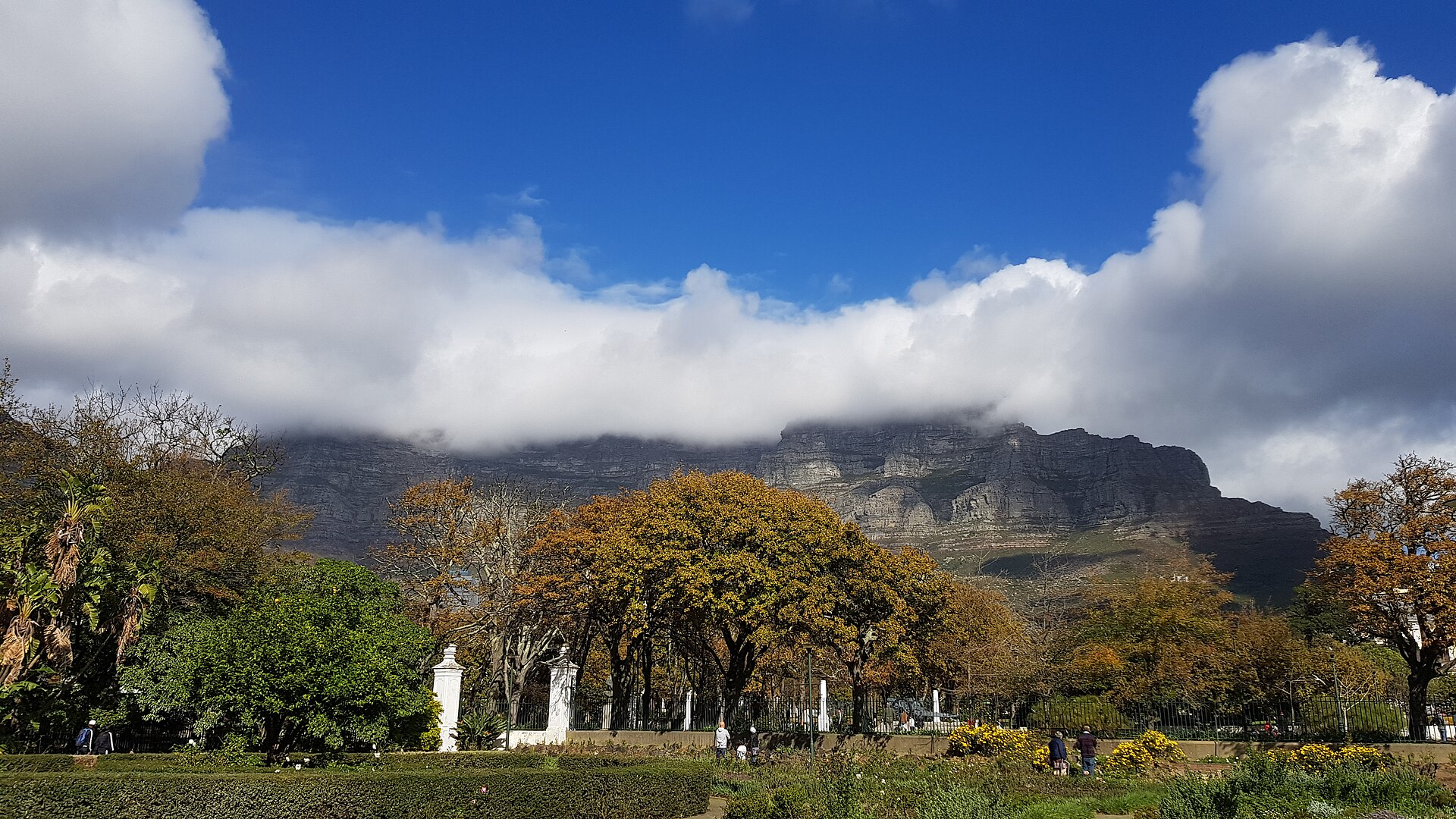
Wind is the usual cause, and it has a season. A guide run by a Table Mountain hiking company describes the south-easter, the Cape Town summer wind, as blowing across the Peninsula from late October to early February. It says the thick cloud locally called the Tablecloth usually forms on the mountain when that wind blows, and that strong wind closes the cableway. Its practical advice is useful for anyone with five days: wind often picks up in the afternoon, so go early, and schedule the mountain early in your stay with spare days in case of bad weather or strong wind. If you are reading this in November, you are at the start of that season.
Robben Island is a boat trip first and a museum second. The island's own site says tours leave from the Nelson Mandela Gateway at the V&A Waterfront and take 3.5 hours including the ferry. It lists departures at 09:00, 11:00, 13:00 and 15:00. I could not find a weather cancellation rule on that page. A 2018 museum tour-information document, which turned up in search but which I could not open directly, is reported to say that tickets are refunded or rescheduled if weather makes the crossing unsafe, and that the museum reserves the right to cancel sailings or change times. Treat that as indicative, not current. News reports over the years describe cancellations for weather and for ferry breakdowns, so the risk is real even though I cannot give you a rate.
The important part is what is common to both: the decision is made close to the moment, by someone else, with information you do not have the night before. A plan has to absorb that.
Key Takeaways
| Point | Details |
|---|---|
| Neither headline sight can be locked to a day | The cableway "operates weather permitting" with no published wind or visibility threshold. Robben Island sailings can be cancelled for sea conditions or ferry problems. |
| Cableway tickets are built for flexibility | Official tickets are valid for 7 days. If weather stops your visit, the operator says to use the ticket on the next open day within that week or claim a refund online. |
| Cableway prices, 1 July 2026 to 30 June 2027 | Online adult return R475, child (4 to 17) return R230. Ticket office adult return R530. Under 4s free. |
| Cableway hours vary | Operator pages show different first and last car times at different dates. Check the day. |
| Robben Island takes about half a day | The island's site says 3.5 hours including the ferry, with departures at 09:00, 11:00, 13:00 and 15:00. |
| Season matters | The south-easter blows from late October to early February, and the Tablecloth cloud usually comes with it. |
| Annual maintenance closes the cableway | In 2026 it was reported closed from 27 July to 9 August. Hiking trails stayed open. Dates move year to year. |
| Buy cableway tickets from the operator's channels only | The operator says tickets bought from other websites are not valid. |
The shape of the plan
Five days, two floating slots, and one rule: look at the forecast the evening before, and look at the live cableway status in the morning, before you commit to the day.
- Day 1 is arrival and low-stakes city time. Nothing here depends on weather.
- Day 2 is the mountain slot. If the cableway is running and the cloud is clear, go early. If not, swap with Day 3.
- Day 3 is the Peninsula, which is outdoors and wind-exposed, so it is also a weather day, but it has its own fallbacks.
- Day 4 is the Robben Island slot, bundled with a garden or museum afternoon that works either way.
- Day 5 is the spare. It exists to catch whichever of the two sights failed.
If both go well by Day 3, Day 5 becomes a slow day or a wine country day. If one fails, Day 5 is where it lands. If both fail on their first attempt, you still have Day 5 and the cableway's seven-day ticket window.
Day 1: Arrive, orient, stay flat
Use the first day to get your bearings in the city bowl. The Company's Garden, in the photo above, sits at the foot of the mountain and is the kind of place that costs nothing and gives you a view of the thing you are about to gamble on. That view is also a free weather report: if the flat top is wrapped in cloud, you know what you are dealing with.
The V&A Waterfront is also worth a first-day walk for a practical reason: the Nelson Mandela Gateway, where the island ferries depart, is there, so seeing it once now means you will not be hunting for it on Day 4.
Getting in from the airport: MyCiTi runs an airport route (the A01) to the Civic Centre. A third-party guide that checked MyCiTi's airport page in April 2026 found the route temporarily suspended, and I could not confirm the current fare or whether it is running. Check MyCiTi's own airport page before you rely on it, and have a taxi or ride-hail fallback in mind.
Day 2: The mountain slot
This is the day you want your best weather. Buy the cableway ticket online from the operator the night before, not at the lower station on the day, for two reasons. The online adult return rate is lower than the ticket office rate (R475 against R530 on the operator's page), and the online ticket's seven-day validity is the whole flexibility mechanism.
How the validity works, per the operator: online, ticket office and WhatsApp tickets are valid for seven days. If you miss your visit because of adverse weather or time constraints, you can use the online ticket on the next open day within the week you booked for, or claim a refund online. That means your ticket is a seven day option, not a Day 2 commitment. This is the single most useful fact in this post, so build around it. Do not buy a tour-operator bundle that fixes a date unless it carries the same terms.
Hours: the operator's ticket page showed first car up at 07:30, last up at 19:00 and last down at 20:00 when I read it. A search result for the same operator described a different snapshot, first car at 08:30 with last up at 18:00, and an earlier blog snapshot different again. Hours change by season and the operator may change them without notice, so use the live page.
Practical rules for the day:
1. Go to the first car, not the sunset car. The south-easter tends to strengthen later in the day. An early ride gets you the best chance of a clear summit and a running cableway. 2. Check the live status before you leave your hotel. The operator points to its website and app for real-time updates. 3. Have a fallback for the same morning. If the cableway is shut at 07:30, do not just stand there. Move to Day 3 and keep your ticket. 4. Do not pay the fast track fee on a day that might not run. Fast track is R1,200 return on the operator's page. It buys a shorter wait in a queue that the operator says was about five minutes when I read it. Skip it.
If you would rather hike, the trails stay open when the cableway is closed for maintenance, and a Time Out Cape Town article from 2026 says so directly. The hiking-company guide above adds that hiking in south-easter conditions "is not unsafe" but can be unpleasant, and that most hikes start at sunrise. Hiking up and riding down, or the reverse, is a legitimate plan, but if wind is the reason the cableway is shut, you are choosing to walk down in it. Be honest about your fitness and your gear.

Day 3: The Peninsula, and the swap day
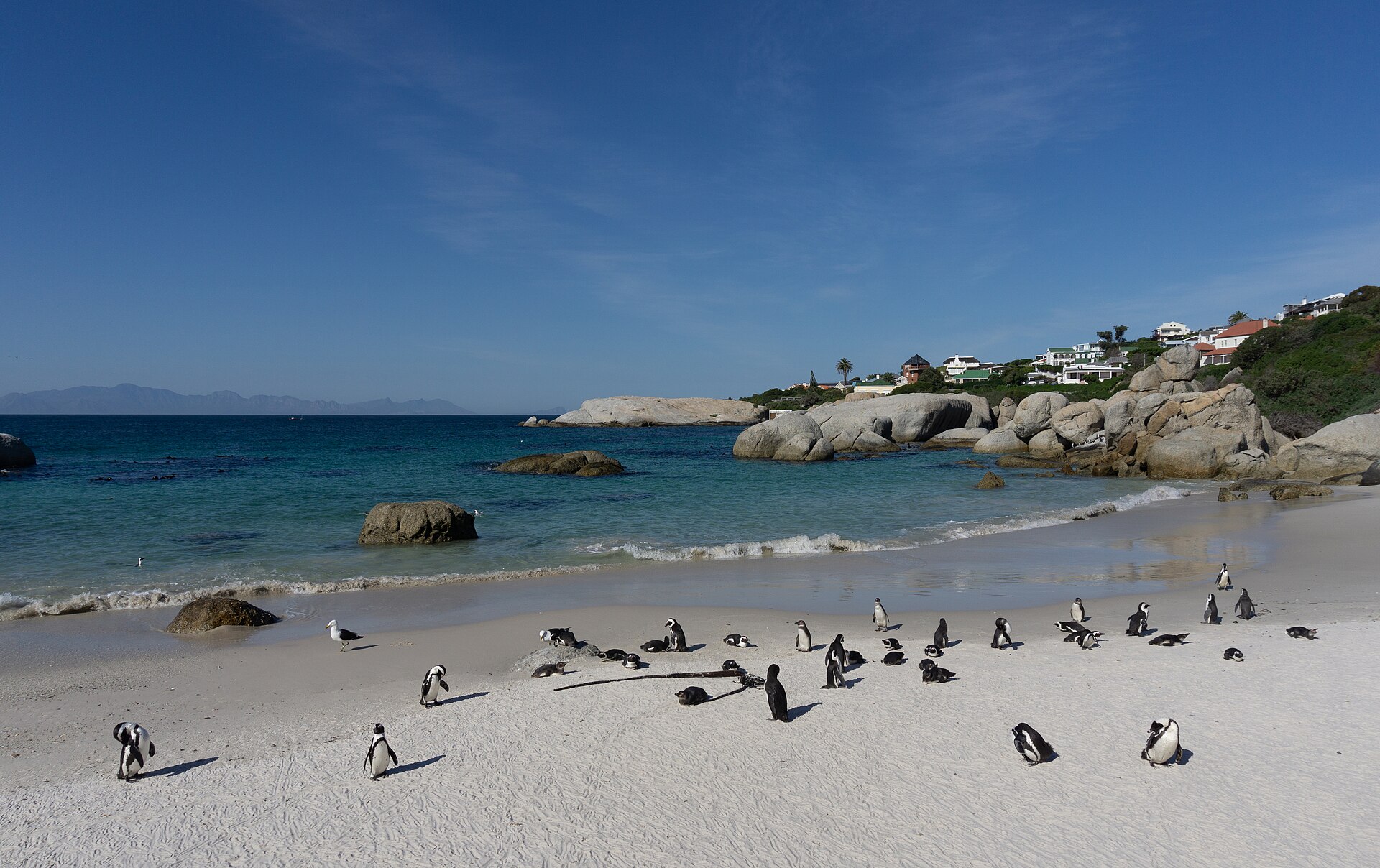
The Cape Peninsula drive is the classic second day: the coast road south, the penguin colony at Boulders Beach near Simon's Town, and the reserve at Cape Point. It is also fully outdoors and fully exposed, so it is not weather-proof, but it behaves differently from the mountain. A windy day closes the cableway and still leaves the coast road drivable. That makes Day 3 the natural swap partner for Day 2. If Day 2 is a washout, run Day 2 and Day 3 in reverse and ride the cableway on a day with better odds.
Things I could not pin down from an opened page, and so will not put a number on: the current SANParks conservation fee for Boulders Beach and Cape Point, and the current gate hours for either. Third-party sites quote different figures for the Boulders fee, and SANParks has changed gate times by season in the past. Check sanparks.org on the day, and expect to pay at the gate.
Chapman's Peak Drive, the scenic toll road between Hout Bay and Noordhoek, is the classic way to start the loop. It has a history of closures for strong wind, heavy rain and rockfall, and the operator and the Western Cape government publish notices. I did not open a current page for it, so I will not quote thresholds. Check for closures before you commit to it as your route, and have the inland route in your head as the alternative.
Start early. The hiking-company guide above notes the wind often picks up in the afternoon, and a long Peninsula day goes wrong in a hurry when it starts late.

Day 4: The Robben Island slot
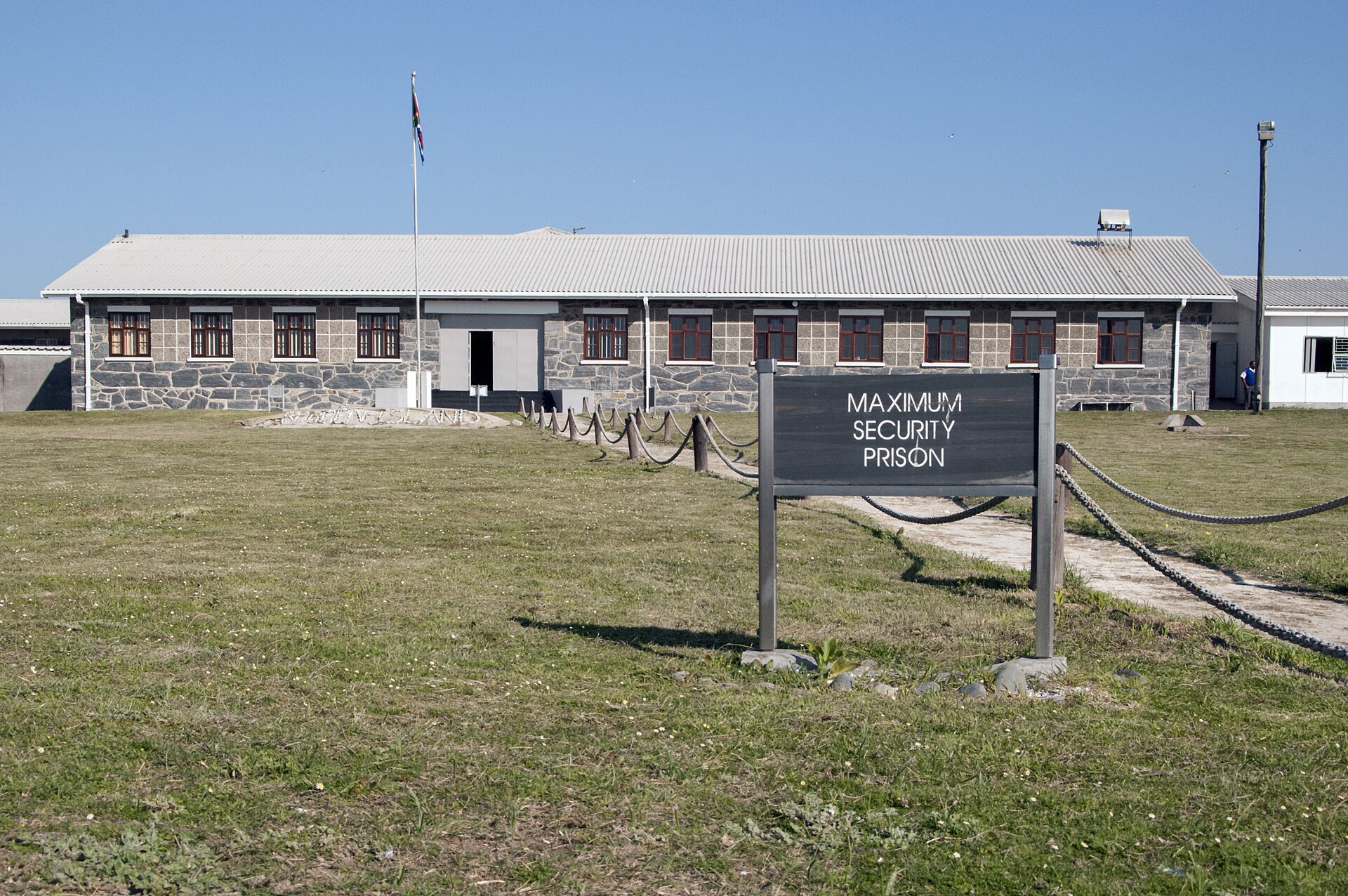
Book the island tour as early in the trip as the booking system allows, not at the last minute, and pick the earliest departure you can manage. The island's site lists departures at 09:00, 11:00, 13:00 and 15:00, and says the tour takes 3.5 hours including the ferry. An early departure gives you the most slack: if a sailing is cancelled, there are later departures that day and a Day 5 behind them.
On pricing, the island's own page shows two sets of numbers that do not match. One section lists R400 for a South African adult and R600 for a non-South African adult, with R210 and R310 for children under 18. A separate walking-tour section on the same page lists higher figures. I would not quote a single number for the standard tour. Look at the price on the booking page when you buy, and note that residents and non-residents are charged differently.
Book through the channel the museum points to: the booking link on its site, or its office on +27 (0) 21 413 4200. The museum's site says ferries leave from the Nelson Mandela Gateway at the V&A Waterfront. A resale listing is not the same thing as a museum ticket, and refund terms on resale listings vary. If you buy through a reseller, read the cancellation terms for a weather cancellation before you pay, because that is the case you are insuring against.
Keep the afternoon free of anything that cannot move. The tour is long enough that you will want a slow afternoon anyway, and if your sailing is cancelled you will need the hours.
For the part of Day 4 that does not depend on a boat, Kirstenbosch National Botanical Garden is the dependable choice. I could not retrieve its current hours or entry fee from the garden's site, so check before you go. A garden walk is a good bad-weather day because it handles a grey sky well.
Day 5: The spare
Day 5 is deliberately empty. Its job is to absorb one of three things:
- the cableway, if Days 2 and 3 did not give you a clear window, and your seven-day ticket is still valid
- the island, if your sailing was cancelled, assuming the museum has rescheduled you or you have rebooked
- nothing at all, in which case you take a slow day
If neither failed, good options that do not need booking against the weather are the Bo-Kaap neighbourhood, a long lunch, the Waterfront, or a half-day out of the city. Do not fill Day 5 with a fixed-time commitment before you know what it has to catch.
Where this plan breaks
It assumes at least one clear window. Five days is enough for weather to beat you. If the forecast shows wind all week, you may not get the cableway at all. In that case consider the hike, or accept the miss. The seven-day validity helps, but it does not make the weather cooperate.
It assumes you can rebook the island. I could not confirm a current, official, written weather cancellation and rebooking rule for Robben Island from a page I opened. If sailings are full later in your trip, a cancelled Day 4 may not be recoverable. Book early so there is room to move.
It assumes the cableway is operating at all. Annual maintenance has closed it for roughly two weeks in July and August in recent years, and reported dates vary from year to year. A 2026 Time Out article gave 27 July to 9 August. If you travel in that window, the mountain becomes a hike or a miss.
It assumes you can get from the airport easily. The MyCiTi airport route was reported suspended in April 2026, and I could not confirm its status since. Have a fallback.
It assumes prices stay where I read them. The cableway rates I quote are valid from 1 July 2026 to 30 June 2027 per the operator's page, and the operator says it may change prices and times without notice. The island's page contradicted itself on price. Treat every number here as a reading on 2 November 2026, not a quote.
It does not cover entry or safety rules. Check your government's travel advice and your passport's entry requirements. I did not research those for this post.
What to skip
Skip the fast track pass. At R1,200 return against R475 online, it buys a short queue in a system whose reported wait was about five minutes. The scarce resource on this trip is a clear day, and fast track does nothing for that.
Skip a fixed-date bundle. A tour that bundles the cableway, a set date and a coach may be convenient, but if it does not carry the seven-day flexibility, you have rebuilt the locked plan this post is arguing against.
Skip doing the mountain and the island on the same day. Both are weather-sensitive, and stacking them means one cancellation drags the other with it.
Skip the sunset slot as your only attempt. Sunset on the mountain is lovely. It is also the late afternoon, when the wind has had all day to build. Treat it as a bonus, not the plan.
How Planytera handles a trip like this
Planytera is an AI trip planner built by a solo developer, available on iOS, Android and the web. You describe the trip and it builds a day-by-day itinerary, ready in moments. A few of its features map directly onto a weather-dependent Cape Town trip.
Changing one thing keeps the rest in sync. If the cableway is shut on Day 2, move that day and the days around it adjust, rather than needing a full rebuild. That is exactly the swap this plan is built on.
Pacing is a setting, not an accident. Ask for a lighter afternoon after the island tour, or an earlier start on the Peninsula day, and the itinerary re-paces around it instead of just deleting a stop.
Offline access covers the gaps. Save a trip and the itinerary, maps and notes stay available without a signal, which helps on a coast road or in a garden where reception is patchy.
Group trips get a vote. Share a read-only link, or invite travel companions to vote on which stops make the cut, and use split costs to track who owes whom. It does the arithmetic and never touches anyone's money or cards.
It does not book tours, tickets or ferries, and it does not track live prices or live cableway status. The cableway ticket, the island booking and the weather check are still yours to do directly.
Frequently asked questions
How many days do I need in Cape Town?
Five days is workable, mainly because it leaves room for the two weather-dependent sights to move. With three days you would be locking both of them to fixed days. With five you can keep one day empty and still see the city, the Peninsula and one of the headline sights comfortably.
What happens to my cableway ticket if it is closed for wind?
According to the operator's ticket page, online, ticket office and WhatsApp tickets are valid for seven days. If you miss your visit because of adverse weather, you can use the online ticket on the next open day within the week you booked for, or claim a refund online. The operator also says tickets bought from other websites are not valid, so buy from its own channels.
How much does the Table Mountain cableway cost?
For 1 July 2026 to 30 June 2027, the operator lists an online adult return at R475 and a child (4 to 17) return at R230, with a ticket office adult return at R530. Children under 4 travel free. One-way tickets and concession rates are lower. A fast track option is listed at R1,200 return. The operator says prices can change without notice.
Is Robben Island ever cancelled?
Yes. News reports over the years describe sailings cancelled for bad weather and for ferry problems. The museum's own site did not state a weather cancellation rule on the page I read, and an older 2018 tour-information document is reported to say tickets are refunded or rescheduled when weather makes the crossing unsafe. I could not open that document directly, so confirm the current terms when you book.
When is the windy season?
A Table Mountain hiking guide describes the south-easter as blowing across the Peninsula from late October to early February, with the Tablecloth cloud usually forming when it blows. That is the main reason to put the mountain early in your trip and keep spare days. It is a seasonal pattern, not a forecast, and individual days vary.
Can I walk up Table Mountain if the cableway is closed?
Hiking trails stayed open during the 2026 annual maintenance closure, according to Time Out Cape Town. If the cableway is shut for wind, walking down in that wind is a different proposition, and the hiking-company guide above notes that strong wind closes the cableway and forces a hike down. Check conditions, carry water and a charged phone, and avoid hiking alone where you can.
Useful sources and further reading
- Table Mountain Aerial Cableway, ticket prices, hours and weather status
- Table Mountain Aerial Cableway, terms and conditions
- Table Mountain cableway hits pause for annual maintenance, Time Out Cape Town
- Hiking Table Mountain during the Southeaster (Cape Doctor), Hike Table Mountain
- Robben Island Museum, official site
- Robben Island Museum tour information, 2018 (not opened directly; cited via search summary)
- MyCiTi, airport service and fares
- SANParks, Table Mountain National Park
- Kirstenbosch National Botanical Garden, SANBI
Recommended
More from the Planytera blog.