Blog14 min read
5 Day Dubai Itinerary: Plan Around Ramadan, Not the Sights
A five day Dubai itinerary built around the calendar, since Ramadan resets the city's hours around iftar and moves about 11 days earlier each year.
By Dom
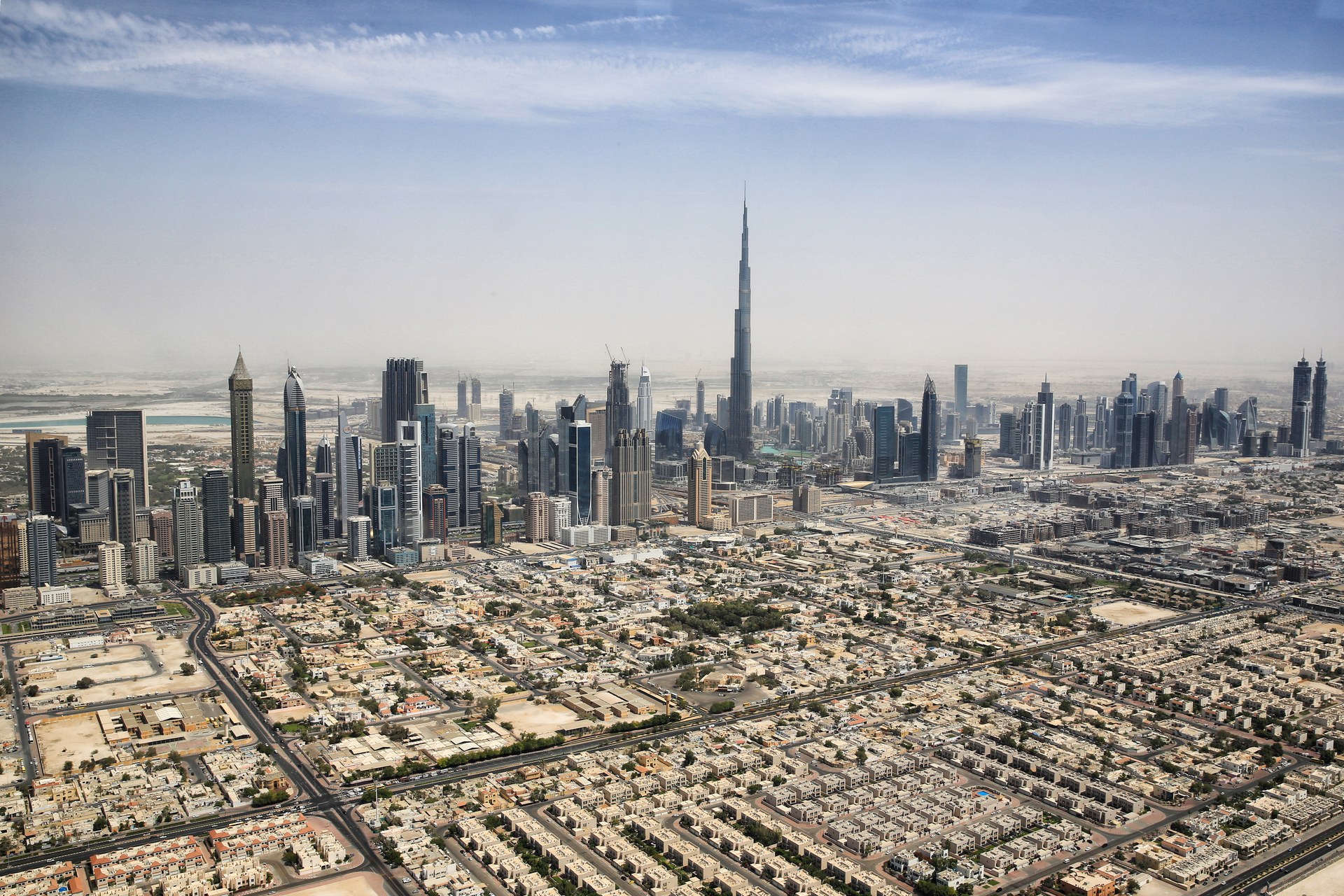

Most Dubai itineraries are written once and reused for every date on the calendar: Burj Khalifa, desert safari, Dubai Mall, Old Dubai, Palm Jumeirah, done. That works fine for about ten months of the year. It does not work if your five days land inside Ramadan, because Ramadan is not a cultural footnote in the UAE, it is a legal and operational reset of the day. Restaurants change when they serve food. Malls change when they open. Bars change what they pour and when. And the whole month moves, every single year, by about eleven days.
That drift is the part most planning advice skips. Ramadan runs on the Islamic lunar calendar, which is shorter than the Gregorian year, so the month arrives roughly eleven days earlier each year. Ramadan 2026 is expected to begin around 19 February, and Ramadan 2027 is already projected for around 8 February, both pending the UAE's official moon sighting. That is an eleven day jump in a single year. A trip booked by looking at last year's Dubai blog post, rather than this year's calendar, is a trip booked against the wrong month.
This plan checks the calendar first, lays out what actually changes in the city during Ramadan, and then builds a five day itinerary that works whether you land in the fasting month or land four months later in a completely ordinary Dubai week. Every price, hour and legal claim below comes from a page I opened and read, or is flagged as a range where sources disagree.
Check the date before you check anything else
The UAE's Moon Sighting Committee confirms the exact start of Ramadan only the evening before, based on the sighting of the crescent moon, so no date is ever final until then. Astronomers' projections are close enough to plan around, but not close enough to book non-refundable tickets against.
| Year | Projected start | Projected end (Eid Al Fitr) | Source |
|---|---|---|---|
| 2026 | around 19 February | around 20 March | Gulf News, citing UAE astronomers |
| 2027 | around 8 February | around 9 or 10 March | The National, propakistani.pk |
Two things follow from that table. First, the month shifts into deep winter for the next several years, which actually makes it a comfortable time to be outside in Dubai, since the brutal heat doesn't arrive until closer to May. Second, Eid Al Fitr itself is a public holiday whose exact dates are also only confirmed a few days beforehand, after the moon sighting. If your trip brackets the end of Ramadan, build slack into departure-day plans, because flights and hotels around Eid get busy fast once the holiday is confirmed, and confirmation can come later than travelers expect.
What actually changes during Ramadan
This is the part that gets flattened into "respect local customs" in most guides. The concrete version:
Eating and drinking in public during fasting hours is a live legal question, and sources disagree on how live. UAE law has long treated eating, drinking or smoking in public during Ramadan daylight hours (from before dawn until sunset) as an offense, with a penalty of up to a Dh2,000 fine, up to a month in jail, or both, under Article 313 of the federal penal code. One legal-reference source states plainly that this remains in force today under Federal Decree-Law No. 31 of 2021, which updated rather than repealed the article. Other sources, including a UAE law firm's own 2026 guidance, describe the criminal penalty as having been removed by the same 2021 decree. What every source agrees on: enforcement against tourists is rare, the rule (where it exists) applies to everyone regardless of faith, and the safe, low-friction choice is the same either way, eat and drink in designated indoor areas (hotels, malls, screened restaurant sections) rather than out on a street or in a park. Treat "it's technically fine, nobody enforces it" as a risk you're choosing, not a fact you've confirmed.
Restaurants mostly close for the day and reopen differently. Many standalone restaurants stop daytime service entirely during Ramadan. A smaller set, concentrated in hotels and malls, stay open through the day behind screened or curtained sections specifically so non-fasting guests and tourists can eat without being visible from a public walkway. Evenings flip in the other direction: iftar (the sunset meal) turns hotel restaurants and dedicated "Ramadan tents" into the busiest seating of the day, often booked well ahead for the first week or two of the month.
Malls run longer at night, not necessarily longer overall. For Ramadan 2026, Dubai Mall's published Ramadan hours run to 11pm Monday through Thursday and to midnight Friday through Sunday, later than its typical year-round close. Expect other major malls to follow a similar pattern of extending the evening rather than the morning.
Alcohol service pulls back to after sunset. Dubai abolished the personal liquor-license requirement in 2020 and set a minimum drinking age of 21, and licensed hotel bars and restaurants operate normally most of the year. During Ramadan, live music is paused and standalone nightclubs close for the month, while licensed hotel bars and restaurants that do serve alcohol generally hold off until after iftar rather than stopping altogether.
Desert safaris keep running, timed to the sunset. Evening safari operators that run through Ramadan say they adjust the schedule so the dune-bashing stop lands at sunset, letting guests break the fast with dates and Arabic coffee in the desert before a post-iftar barbecue dinner replaces the usual earlier dinner slot. It is, if anything, a better version of the standard sunset safari, not a diminished one.
Hotel rates often soften. Ramadan has historically been a quieter stretch for Dubai hotel bookings, and some properties cut iftar pricing and offer accommodation discounts to fill rooms. That is a trend reported across past years, not a guaranteed rate for your dates, so treat it as a reason to compare prices rather than a number to bank on.
Key Takeaways
| Point | Details |
|---|---|
| Ramadan moves ~11 days earlier every year | Projected around 19 February 2026, around 8 February 2027, pending UAE moon sighting. |
| Public eating/drinking during fasting hours is legally contested | Sources disagree on whether the Dh2,000/one-month penalty was removed by the 2021 decree; enforcement against tourists is rare either way. Eat indoors in screened areas to sidestep the question. |
| Malls extend evening hours in Ramadan | Dubai Mall's 2026 Ramadan hours run to 11pm weekdays, midnight Fri-Sun. |
| Bars pause daytime and live music | Nightclubs close for the month; licensed venues generally hold alcohol service until after iftar. |
| Desert safaris time themselves to sunset | Operators run the dune stop at sunset so guests break the fast in the desert, then serve dinner after. |
| Eid Al Fitr dates confirm late | The holiday is only confirmed a few days ahead, after moon sighting, so trips bracketing month-end need slack. |
| UAE weekend is Saturday-Sunday | Friday is a half day for the public sector; plan Friday midday around that if it touches government-run sites. |
| Visa on arrival varies by passport | Many nationalities (US, UK, EU, Australia, Canada among them) get visa-free entry or visa on arrival for 30 to 90 days; check your specific passport before booking. |
The five day itinerary
This order assumes an ordinary visit. If you're inside Ramadan, the day-by-day activities barely change, what changes is when you eat, when bars serve, and when you book the SMCCU iftar instead of a regular dinner reservation (swap it into whichever day has the lightest afternoon).
Day 1: Land, get to Downtown, keep it light
Dubai International is connected directly to the Red Line of the Dubai Metro, with Metro stations at both Terminal 1 and Terminal 3, so a Metro ride into Downtown or the Marina is a realistic first move if you're not overloaded with luggage. Buy a Nol card for the Metro: a standard Silver Nol card costs AED 25 to issue, and single Metro fares run from about AED 3 for a one-zone trip up to AED 7.50 for a journey of more than two zones, per RTA's published fare structure. Spend the rest of day one adjusting: walk the Dubai Mall waterfront promenade, watch a Dubai Fountain show (it runs daily from 6pm to 11pm at 30-minute intervals per Emaar, with extra early-afternoon shows outside Ramadan), and eat near wherever you're staying rather than committing to a big first-night plan.
Day 2: Burj Khalifa and Downtown
Book your Burj Khalifa "At the Top" slot in advance online; ticket platforms consistently price the standard level 124/125 observation deck in the roughly AED 170-220 range depending on time of day, with the extended level 148 "SKY" tier running well above that. I could not verify these figures against the official Burj Khalifa ticketing page directly (it blocked automated access), so treat them as resale-market pricing, not an official rate, and check the current price before you book. Non-peak morning slots are consistently the cheapest window; sunset slots sell out first in the October-to-April high season. Spend the rest of the day around Downtown: the Dubai Mall aquarium and underwater zoo, the souk-style Souk Al Bahar across the water, and a return to the fountain for an evening show if you skipped it on day one.

Day 3: Old Dubai, the Creek, and the mosque tour
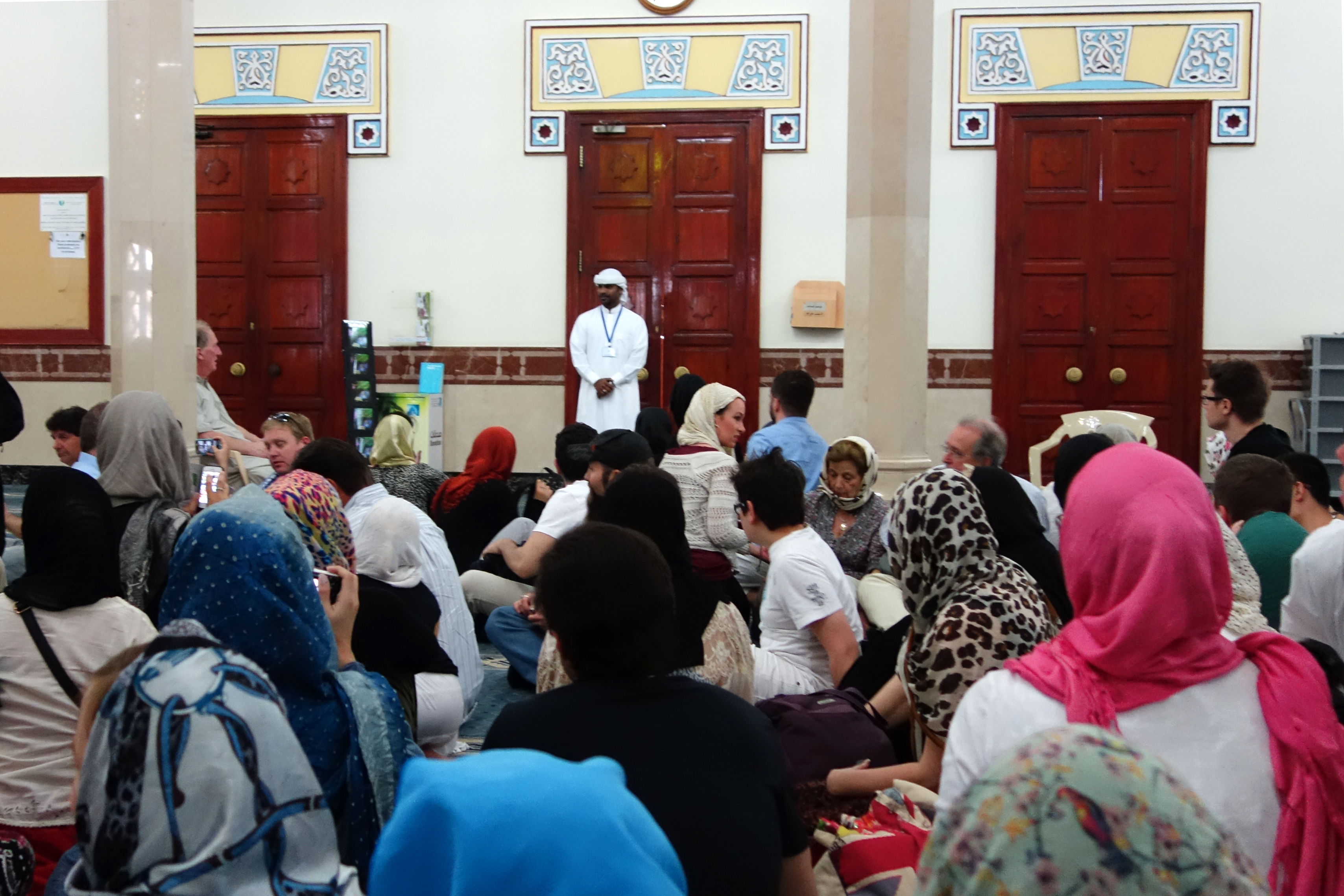
Morning in Old Dubai: the abra boats crossing Dubai Creek, the Gold Souk and Spice Souk in Deira, and the Al Fahidi historic district on the Bur Dubai side. In the afternoon, join a Jumeirah Mosque tour through the Sheikh Mohammed Centre for Cultural Understanding, which runs tours for non-Muslim visitors several days a week year-round. If you're traveling during Ramadan, this is the day to book the Centre's guided-tour-and-iftar program instead of the standard tour, so your evening meal is the cultural experience rather than a logistics problem.
Day 4: The desert
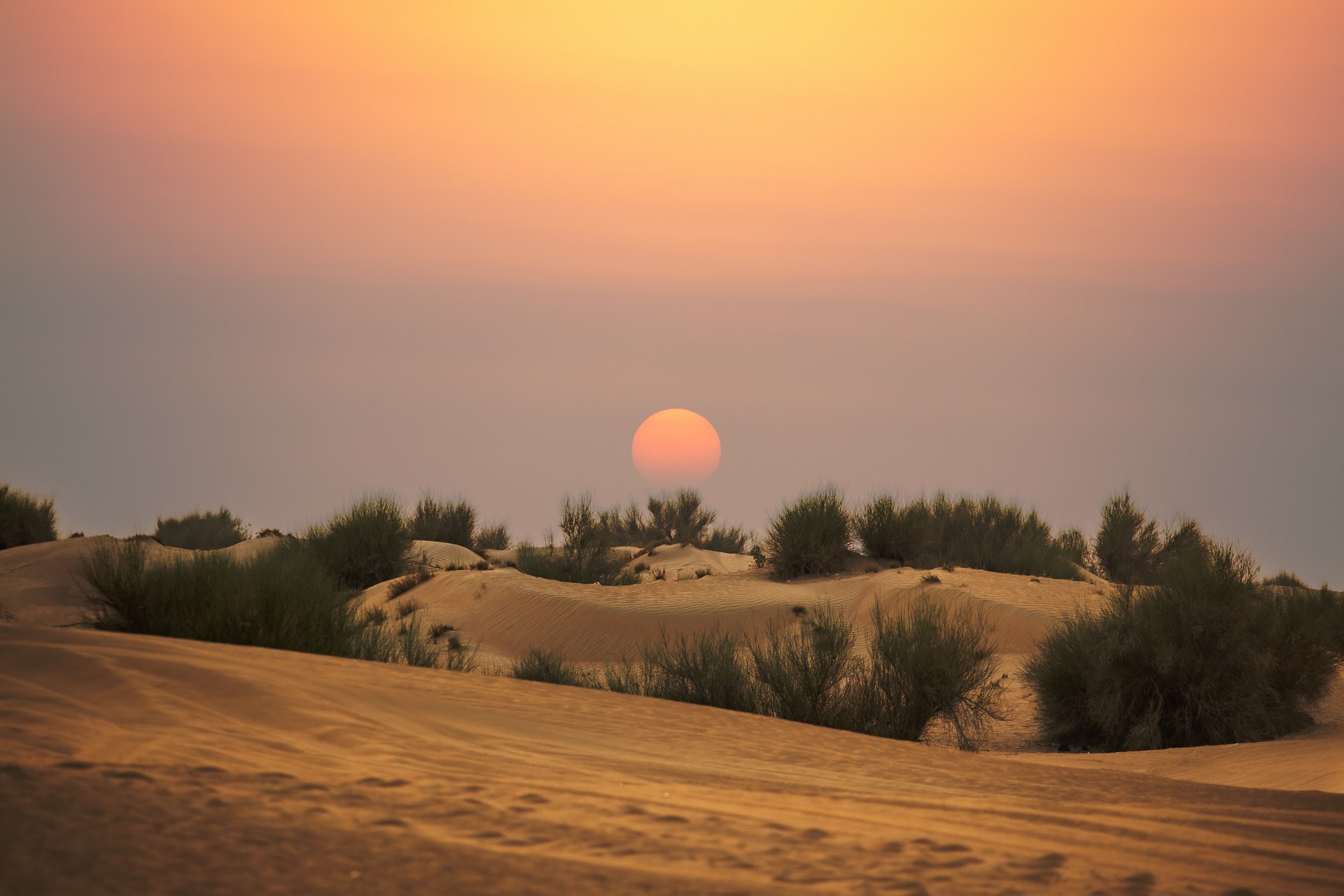
A half-day or evening desert safari is the one activity on this list priced almost entirely by the private resale market rather than a single official body, and quoted prices vary widely by operator and inclusions, from roughly AED 120 per person for a basic shared evening tour with dune bashing and a barbecue dinner, up into the AED 200-250 range for packages that add sandboarding, a camel ride and entertainment, with private vehicle options running far higher per group. Compare at least two operators' inclusions line by line rather than booking the first listing, since "evening safari" covers a wide range of what's actually included. If your dates are inside Ramadan, look specifically for an operator advertising an iftar-timed departure; several run the dune-bashing stop to land at sunset and serve the break-fast meal in the desert.

Day 5: Marina, JBR beach, and your flexible slot
Dubai Marina and the Jumeirah Beach Residence (JBR) walk are an easy, low-ticketed-commitment day: the Marina Walk promenade, the beach itself (beachwear is fine here even during Ramadan, cover up once you leave the waterfront), and The Walk at JBR for shopping and food. This is also the day to absorb anything that slipped from earlier, a sold-out Burj Khalifa slot, a missed mosque tour time, or simply jet lag catching up with you. If your flight home is in the evening, work backwards from the Metro connection to the airport rather than planning right up to departure.
Where this plan breaks
It assumes the Museum of the Future is open. As of this writing, it is not. The museum's own site currently states it is "temporarily closed" while it prepares its next chapter, with no published reopening date. If you were planning to add it, check museumofthefuture.ae directly before you build it into a day; this plan deliberately leaves it out rather than recommend a ticket that may not be sellable.
It assumes a confirmed Ramadan date before you book non-refundable activities. Moon-sighting confirmation lands the evening before the month starts or ends. A trip booked right at the edge of the projected dates can land a day or two off from the real start or end of Ramadan.
It assumes the mosque tour and iftar program are running on your dates. The SMCCU's Ramadan iftar program is seasonal and the standard Jumeirah Mosque tour runs on a limited weekly schedule even outside Ramadan; book or confirm timing before you build a day around it.
It assumes typical weather. This itinerary suits the cooler months, which happen to be when Ramadan currently falls. If your trip is in summer instead, daytime outdoor time (the desert, the Marina walk) needs to shrink hard regardless of the fasting calendar.
It assumes your passport gets visa-free or visa-on-arrival entry. The UAE's visa rules vary meaningfully by nationality, and getting this wrong is a boarding-gate problem, not a Dubai problem. Confirm your specific passport's requirement with an official UAE source before you travel.
How Planytera handles a trip like this
Planytera is an AI trip planner built by a solo developer, available on iOS, Android and the web. You describe the trip and it builds a day-by-day itinerary, ready in moments. A handful of things it does map directly onto a Ramadan-dated Dubai trip.
Pacing is a setting, not an accident. A plan built around a sunset-timed desert safari or a late iftar dinner needs a different rhythm for the rest of that day. Ask for a lighter afternoon and the itinerary re-paces around it instead of just deleting a stop.
Changing one thing keeps the rest in sync. If a mosque tour slot falls through or the moon sighting shifts your dates by a day, move the affected day and the days around it adjust rather than needing a full rebuild.
Offline access covers the gaps. Save a trip and the itinerary, maps and notes stay available without a signal, useful in a desert camp or a mosque courtyard where you may not want to be on your phone anyway.
Group trips get a vote. Share a read-only link, or invite travel companions to vote on which stops make the cut, and use split costs to track who owes whom. It does the arithmetic and never touches anyone's money or cards.
It also checks visa requirements once you set your passport in the app, which is one less lookup before a UAE trip. It does not book tours, tickets or hotel rooms, so the Burj Khalifa slot, the desert safari and the SMCCU reservation are still yours to make directly.
Frequently asked questions
Is it illegal to eat or drink in public during Ramadan in Dubai?
Sources disagree on the current legal status. The underlying penalty, a Dh2,000 fine, up to a month in jail, or both, traces to Article 313 of the federal penal code. One legal-reference source says this remains in force as updated by a 2021 federal decree; another source describes the criminal penalty as removed by that same decree. What's consistent across sources: enforcement against tourists is rare, and eating in a hotel, mall food court or screened restaurant section avoids the question entirely.
When does Ramadan start in 2026 and 2027?
Both dates are projections pending the UAE's official moon sighting. Ramadan 2026 is expected to begin around 19 February 2026, ending with Eid Al Fitr around 20 March. Ramadan 2027 is projected to begin around 8 February 2027. The roughly eleven-day gap between those two projected start dates is the lunar calendar's standard yearly drift.
Do bars and nightlife still operate during Ramadan?
Licensed hotel bars and restaurants typically keep operating but shift alcohol service to after sunset, and live music pauses with standalone nightclubs closing for the month. Dubai set a minimum drinking age of 21 and dropped the personal liquor-license requirement for residents and tourists in 2020, which applies year-round, Ramadan just narrows the hours and format.
Is the Museum of the Future open right now?
No. As of this writing, the museum's own site states it is temporarily closed with no published reopening date. Check museumofthefuture.ae before planning around it.
Do I need a visa to visit Dubai?
It depends entirely on your passport. Many nationalities, including the US, UK, most of the EU, Australia, Canada and others, get either visa-free entry or a visa on arrival valid for 30 to 90 days, according to UAE immigration-adjacent sources. Confirm your specific country's current rule with the UAE's Federal Authority for Identity, Citizenship, Customs and Port Security, or Dubai's General Directorate of Residency and Foreigners Affairs, before booking.
What should I wear in Dubai during Ramadan?
Modest dress (shoulders and knees covered, avoiding tight or sleeveless clothing in public areas like malls) is the respectful default during the holy month. Beachwear at the beach, pool or waterpark is fine even during Ramadan; just cover up once you leave the waterfront.
Useful sources and further reading
- Ramadan 2026 expected to begin on February 17/19, Gulf News
- Expected Ramadan 2027 start date and Eid Al Fitr holiday dates in UAE, The National
- UAE Reveals Expected Dates for Ramadan and Eids in 2027, ProPakistani
- UAE Ramadan laws for residents and visitors: rules and penalties, LegalClarity
- UAE Ramadan 2026 Working Hours and Public Conduct Laws Explained, LY Lawyers
- Is eating in public a crime during Ramadan?, Mondaq
- Ramadan 2026: Are Dubai's mall and cinema timings changing?, Gulf News
- Dubai Fountain reopens: show timings and schedule, Emaar
- In a first, Mideast hub Dubai eases liquor rules for Ramadan, The Himalayan Times
- Abu Dhabi ends alcohol licence requirement for residents, Khaleej Times
- Changes to laws related to alcohol consumption in the UAE, Rödl & Partner
- UAE weekend change: Saturday and Sunday weekend announced in Dubai, Gulf News
- Over 70 nationalities can get visa on arrival for up to 180 days, Gulf News
- Museum of the Future, official site
- Your ultimate guide to SMCCU, Bayut
- Iftar at the SMCCU: a cultural feast, Gulf News
- Dubai Metro Airport Terminal 1 and Terminal 3 stations, Dubai-OnLine
- Gulf hotels target staycationers with Ramadan price cuts, Salaam Gateway
- A guide to Ramadan in Dubai, Arabian Adventures
Recommended
More from the Planytera blog.